40+ Fantastic Uses for Rhubarb: Unleashing the Tangy Powerhouse in Your Kitchen
Oh, rhubarb! Just mentioning its name brings a wave of nostalgia over me. I remember my grandmother’s kitchen, sun streaming through the window, and the unmistakable scent of bubbling rhubarb compote on the stove. She’d always say, “A little tartness keeps life interesting!” and she was right. That vibrant, ruby-red stalk, often mistaken for a fruit but botanically a vegetable, has always held a special place in my heart, and now, it’s time to share its magic with you.
This comprehensive guide to 40+ Fantastic Uses for Rhubarb (Healthy Rhubarb Recipes) is more than just a list; it’s an invitation to explore a world of culinary possibilities. From classic crumbles to unexpected savory dishes, rhubarb offers a unique flavor profile that brightens any meal. If you’re looking for versatile rhubarb recipes that are both healthy and delicious, you’ve come to the right place. These ideas are tested, family-favorite approaches to make the most of this wonderful seasonal superfood.
Get ready to embrace the tart, the sweet, and everything in between. Whether you’re a seasoned rhubarb lover or a curious newcomer, these healthy rhubarb uses will inspire you to bake, cook, and create. Trust me, your taste buds are in for a delightful adventure!
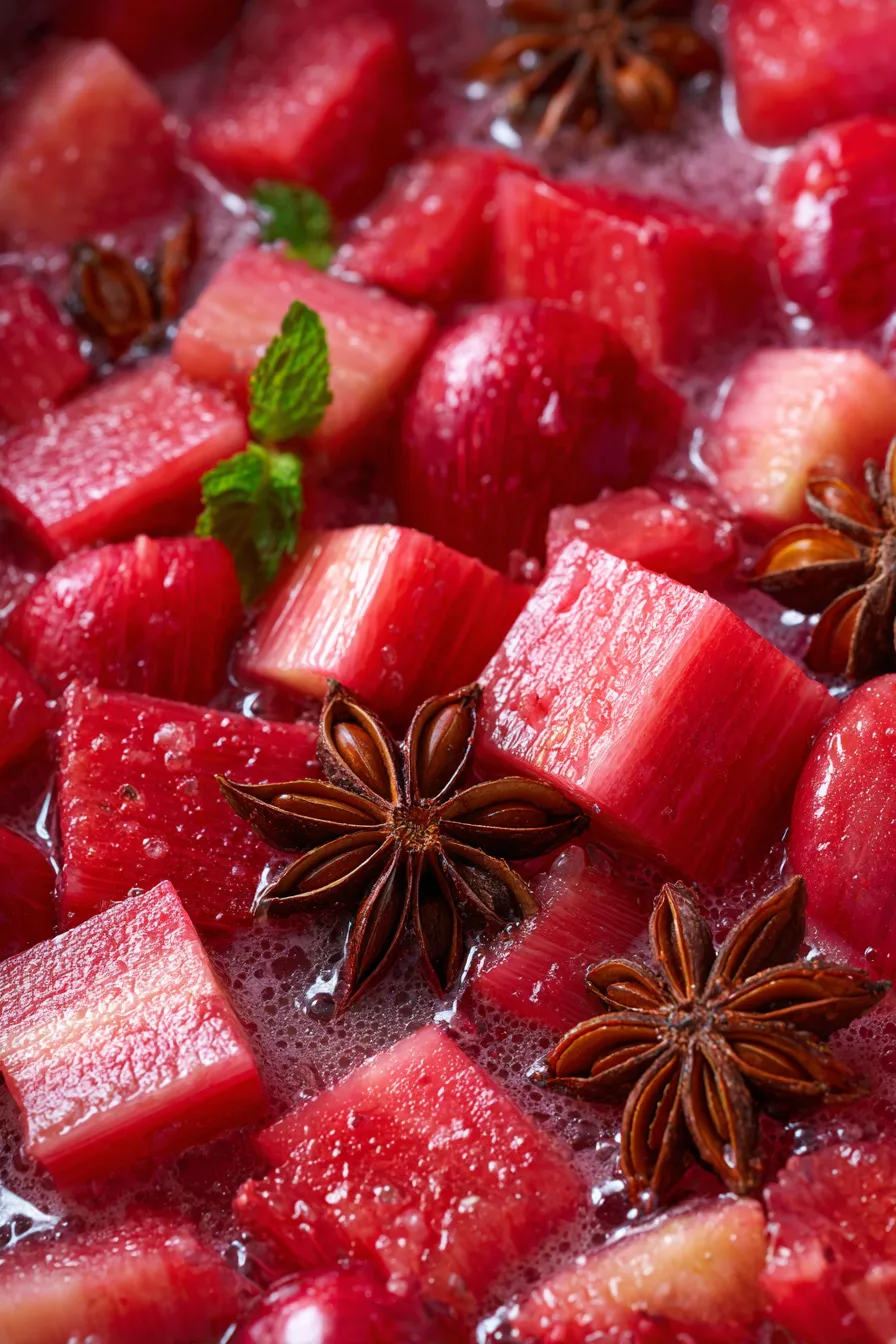
❤️ Why You’ll Love This Recipe (and Rhubarb!)
- Uniquely Tangy Flavor: Rhubarb offers a distinct tartness that beautifully balances sweetness in desserts and adds a refreshing zing to savory dishes. It’s truly one-of-a-kind!
- Incredibly Versatile: Forget just crumbles! Rhubarb shines in pies, cakes, jams, sauces, drinks, and even main courses. Its adaptability is truly astounding.
- Packed with Nutrients: This vibrant stalk is a fantastic source of Vitamin K, Vitamin C, dietary fiber, and antioxidants, making it a healthy addition to your diet.
- Seasonal Delight: Embrace the magic of spring and early summer with this seasonal gem. Cooking with fresh, in-season produce just tastes better and supports local growers.
- Easy to Work With: With minimal prep, rhubarb is surprisingly simple to incorporate into a myriad of recipes. It cooks down beautifully, making it perfect for preserves and fillings.
- Stunning Visual Appeal: Its gorgeous red and green stalks add a pop of color to any dish, making your culinary creations as beautiful as they are delicious.
- Budget-Friendly: Often available at farmers’ markets during its peak season, rhubarb can be an economical way to add flavor and nutrition to your meals.
- Perfect for Meal Prep: Rhubarb compotes or sauces can be made ahead and stored, ready to add to breakfasts, desserts, or even savory glazes throughout the week.
What You Need
You only need a few simple pantry staples to unlock the amazing potential of rhubarb! From sweeteners to spices, the basic components are straightforward, allowing rhubarb’s unique flavor to truly shine. Check the full printable recipe card below for detailed measurements and specific ingredient suggestions for various uses.
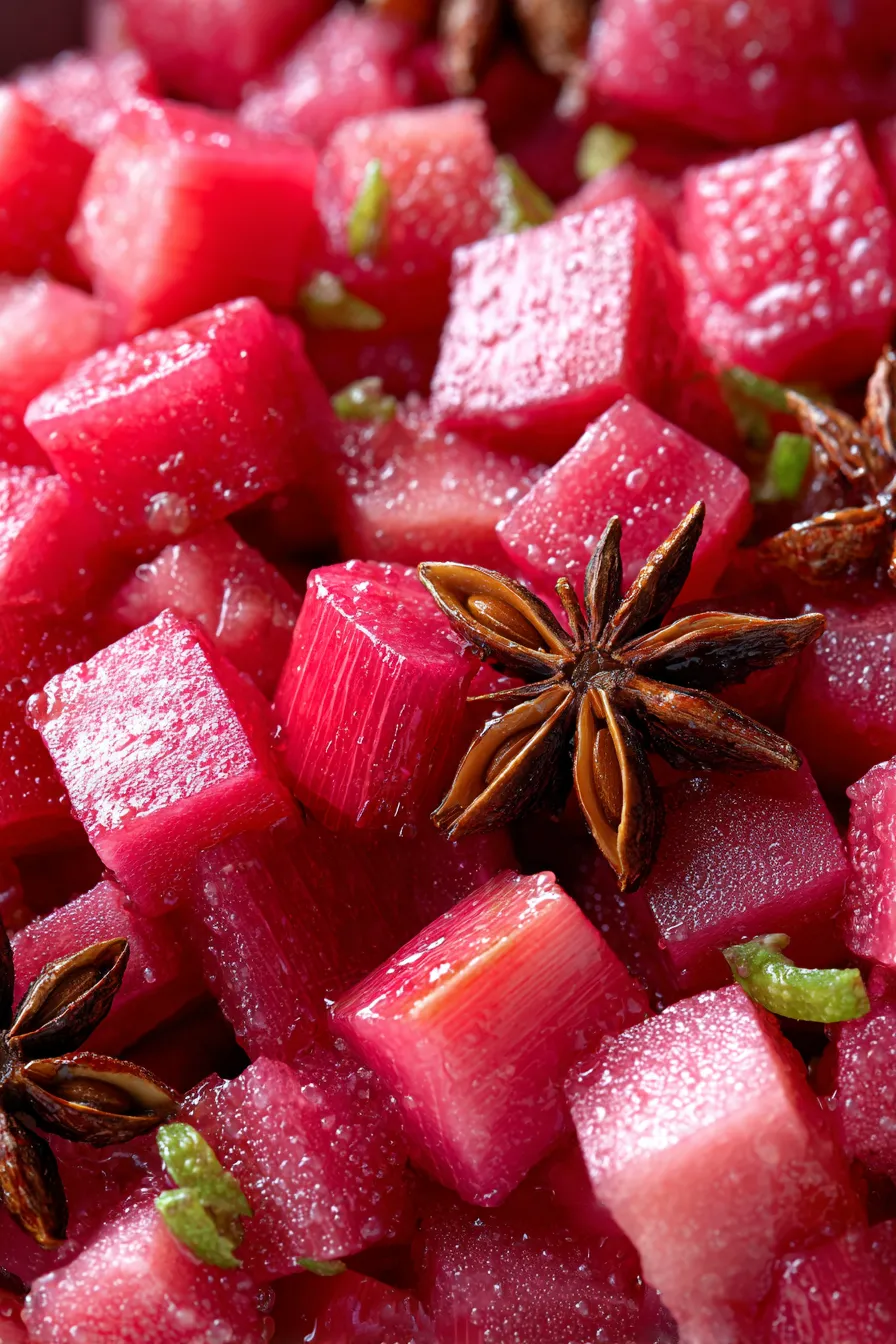
💡 Expert Tips for Working with Rhubarb
- Choose Wisely: Look for firm, crisp stalks that are bright red or greenish-red. Avoid limp or damaged stalks. Thicker stalks tend to be more fibrous.
- Trim Properly: Always remove the leafy ends, as rhubarb leaves are toxic due to oxalic acid. Trim off the very bottom of the stalk as well.
- To Peel or Not to Peel: Young, tender rhubarb stalks generally don’t need peeling. Older, thicker stalks might benefit from a light peel if they feel stringy, but it’s often unnecessary.
- Balance the Tartness: Rhubarb is very tart, so it almost always needs a sweetener. Sugar, honey, maple syrup, or even stevia can be used. Start with less and add more to taste.
- Pairing Perfection: Rhubarb loves to be paired with berries (especially strawberries!), ginger, cinnamon, orange zest, and vanilla. These flavors enhance its natural profile beautifully.
- Cooking Method Matters: Rhubarb breaks down quickly when cooked. For chunky sauces or compotes, simmer gently. For tarts or crisps, it can be baked directly.
- Freeze for Later: Rhubarb freezes exceptionally well! Wash, chop into 1-inch pieces, and flash freeze on a baking sheet before transferring to a freezer-safe bag. No need to thaw before cooking.
- Savory Surprises: Don’t limit rhubarb to desserts! It makes fantastic chutneys, relishes for pork or chicken, and tangy sauces that cut through rich flavors.
- Prevent Watery Dishes: If using fresh rhubarb in pies or crumbles, consider tossing it with a spoonful of flour, cornstarch, or tapioca to absorb excess moisture during baking.
- Taste Test as You Go: Since rhubarb’s tartness can vary, always taste your mixture before the final cooking stage to adjust sweetness and spices.
Variations & Substitutions
Rhubarb is incredibly versatile, allowing for endless creative twists to suit dietary needs or flavor preferences:
- Keto-Friendly: Replace sugar with erythritol, xylitol, or your favorite sugar substitute. Use almond flour or coconut flour for crumbles and pies.
- Vegan Options: Most rhubarb recipes are naturally vegan or easily adaptable. For crumbles, use plant-based butter and egg substitutes if needed.
- Gluten-Free: Use a 1:1 gluten-free flour blend for baking, or opt for almond flour, oat flour, or rolled oats in crumbles and crisps.
- Spice It Up: Experiment with different spices like cardamom, star anise, nutmeg, or a pinch of black pepper to add warmth and depth to your rhubarb dishes.
- Sweetener Swaps: Beyond granulated sugar, try brown sugar for a caramel note, maple syrup for a rich, earthy flavor, or honey for floral sweetness.
- Fruit Combinations: Rhubarb pairs beautifully with strawberries, raspberries, apples, and oranges. Adding other fruits can alter the sweetness and texture.
- Savory Twists: Incorporate rhubarb into savory sauces for roasted meats, make a tangy rhubarb ketchup, or add it to a salad with goat cheese and walnuts for an unexpected delight.
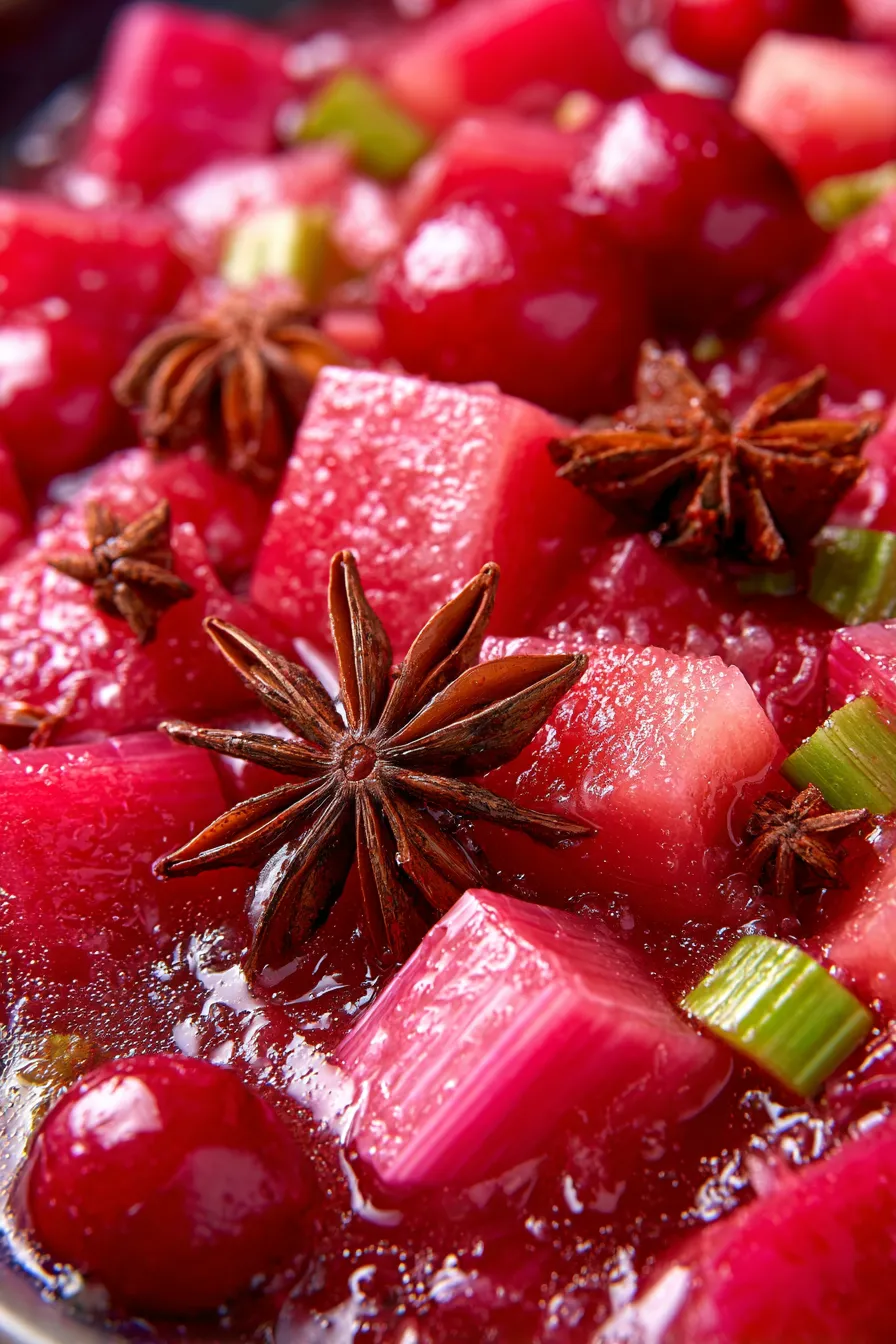
Storage & Freezing
To keep your rhubarb fresh and ready for all these fantastic uses:
- Fresh Rhubarb: Store unwashed rhubarb stalks wrapped loosely in a damp paper towel in a plastic bag in the refrigerator for up to 2-3 weeks.
- Cooked Rhubarb: Cooked rhubarb compotes, sauces, or purees can be stored in an airtight container in the refrigerator for up to 1 week.
- Freezing Raw Rhubarb: Wash and chop rhubarb into 1-inch pieces. Spread in a single layer on a baking sheet and freeze until solid (about 2-3 hours). Transfer the frozen pieces to a freezer-safe bag or container. It will last for up to a year and can be used directly from frozen in most recipes.
- Freezing Cooked Rhubarb: Cooked rhubarb (like compote) can also be frozen. Allow it to cool completely, then transfer to freezer-safe containers or bags, leaving a little headspace. Freeze for up to 6 months. Thaw in the refrigerator before using.
FAQ
Is rhubarb a fruit or a vegetable?
Botanically, rhubarb is a vegetable, as it’s the stalk of a plant. However, due to its common culinary use in sweet dishes and desserts, it’s often treated as a fruit.
Are rhubarb leaves poisonous?
Yes, rhubarb leaves contain high levels of oxalic acid, which is toxic if consumed in significant quantities. Always trim and discard the leaves before cooking or eating the stalks.
How do I make rhubarb less tart?
The easiest way to reduce rhubarb’s tartness is by adding sugar or another sweetener during cooking. Pairing it with naturally sweeter fruits like strawberries also helps balance the flavor. A pinch of baking soda can also slightly reduce acidity, but use sparingly.
Can I use frozen rhubarb in recipes?
Absolutely! Frozen rhubarb works wonderfully in most recipes, especially those where it will be cooked down, like compotes, pies, crumbles, and sauces. You typically don’t even need to thaw it first; just add it directly to your recipe.
What are some healthy ways to enjoy rhubarb?
Rhubarb is naturally healthy. Enhance its benefits by using less added sugar (or natural sweeteners), pairing it with whole grains in crisps, or incorporating it into smoothies, yogurt parfaits, or savory dishes like glazes for lean protein.
There you have it—a grand tour through the incredible world of rhubarb! From simple compotes to elaborate desserts and even savory delights, this versatile stalk truly offers something for everyone. Embrace its unique tartness, revel in its seasonal beauty, and enjoy bringing a taste of spring and early summer into your kitchen. Don’t forget to save these healthy rhubarb recipes for later. Happy cooking!
Pin this post for later to keep all these amazing rhubarb ideas handy!
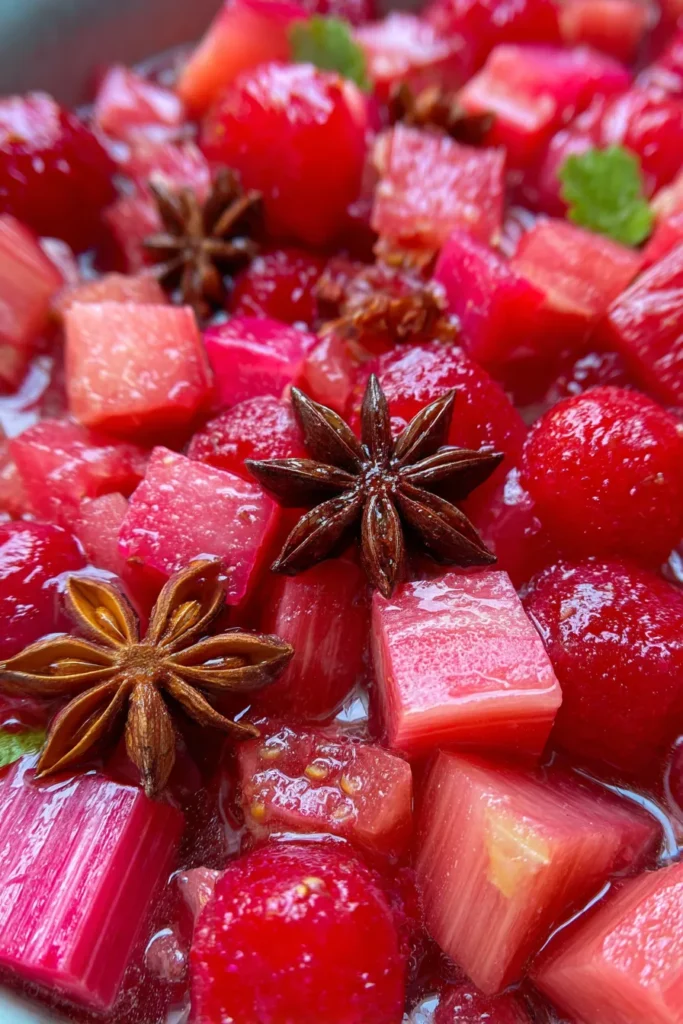
40+ Fantastic Rhubarb Uses: Healthy Recipes & Tips
Ingredients
- Fresh rhubarb stalks, washed and trimmed
- Granulated sugar (to taste)
- Water or orange juice
- Lemon juice (optional, for brightness)
- Spices like cinnamon, ginger, or vanilla extract
Instructions
- Step 1 Wash and chop rhubarb into 1-inch pieces.
- Step 2 Combine rhubarb, sugar, and liquid (water/orange juice) in a saucepan.
- Step 3 Bring to a gentle simmer over medium heat, stirring occasionally.
- Step 4 Cook for 10-15 minutes, or until rhubarb is tender and breaks down to your desired consistency. Add lemon juice and spices.
- Step 5 Adjust sweetness to taste. Use in your desired recipe (e.g., pie, compote, crumble).