Healthy Tempura with Udon Noodles: A Delicious and Light Meal
Tempura and udon noodles are classic Japanese comfort foods, but they can sometimes be perceived as heavy or unhealthy. This article explores how to create a healthy and delicious version of tempura with udon noodles, focusing on lighter cooking methods, nutritious ingredients, and balanced flavors. Discover tips and tricks to enjoy this beloved dish guilt-free.
Understanding the Basics: Tempura and Udon
Before diving into healthy variations, let’s understand the core elements.
What is Tempura?
Tempura refers to a Japanese dish where seafood and vegetables are lightly battered and deep-fried. The key to good tempura is a light, crispy coating, not a greasy one. Traditionally, tempura uses a specific type of batter made from flour, water, and sometimes egg. The cold temperature of the batter and the hot oil are crucial for achieving the desired texture.
Udon Noodles: A Versatile Staple
Udon noodles are thick, chewy Japanese noodles made from wheat flour, water, and salt. They have a mild flavor, making them incredibly versatile and a great accompaniment to various dishes, including tempura. Udon can be served hot in a broth, cold with a dipping sauce, or stir-fried.
Healthier Tempura: Lighter and Brighter
The traditional deep-frying method is often the biggest concern when it comes to healthy tempura. However, several adjustments can make this dish significantly lighter without sacrificing flavor.
The Right Oil Matters
Choosing the right oil is the first step. Opt for oils with a high smoke point and neutral flavor, such as avocado, grapeseed, or light olive oil. These oils can withstand high temperatures without breaking down and becoming unhealthy. Using fresh oil for each batch is also important to minimize the absorption of unhealthy fats.
Mastering the Batter: Keep it Light
The batter is crucial for achieving light and crispy tempura. Avoid overmixing the batter; a few lumps are perfectly fine. Overmixing develops gluten, which results in a heavier, less crispy coating. Try using cold sparkling water instead of regular water to add airiness. Rice flour or a combination of rice and wheat flour can also result in a lighter texture. Some cooks even use vodka in their tempura batter, as it evaporates quickly during frying, leaving a crisper finish.
Innovative Cooking Methods
Deep-frying isn’t the only option. Air frying can be a great alternative. While the texture won’t be identical to traditional tempura, it significantly reduces the amount of oil used. Another option is shallow frying, where you use just enough oil to partially submerge the ingredients, turning them frequently to ensure even cooking.
Smart Ingredient Choices
Select a variety of fresh, seasonal vegetables like sweet potato, bell peppers, zucchini, green beans, and eggplant. Shrimp and other seafood are also good options, but consider smaller portions. Marinating the shrimp briefly in a mixture of ginger, garlic, and sake can add depth of flavor.
Crafting a Healthy Udon Noodle Bowl
Udon noodles themselves are relatively healthy, but the accompanying broth and toppings can significantly impact the dish’s overall nutritional value.
Choosing the Right Broth
Traditional udon broth often contains high amounts of sodium. Opt for a homemade broth or a low-sodium store-bought option. Dashi, a Japanese soup stock made from kombu (kelp) and katsuobushi (dried bonito flakes), is a classic choice and naturally lower in sodium. Experiment with vegetable-based broths for a lighter, vegan-friendly alternative.
Load Up on Vegetables
Don’t be shy with the vegetables! Add plenty of nutrient-rich greens like spinach, bok choy, or kale. Mushrooms, such as shiitake or enoki, also add umami flavor and beneficial nutrients. Consider adding seaweed like wakame for extra minerals and a boost of iodine.
Lean Protein Options
While tempura provides some protein, adding other lean protein sources can make the meal more satisfying. Consider adding grilled chicken breast, tofu, or edamame. A poached egg is another excellent option, adding richness and protein.
Flavor Enhancers: Go Natural
Instead of relying on excessive salt or sugary sauces, use natural flavor enhancers like ginger, garlic, scallions, and sesame oil. A squeeze of lemon or lime juice can brighten the dish and add a fresh dimension. Consider using herbs like cilantro or basil for an extra layer of flavor.
Putting It All Together: The Perfect Healthy Tempura Udon Bowl
Combining lighter tempura with a nutritious udon noodle bowl creates a balanced and satisfying meal.
Assembling the Bowl
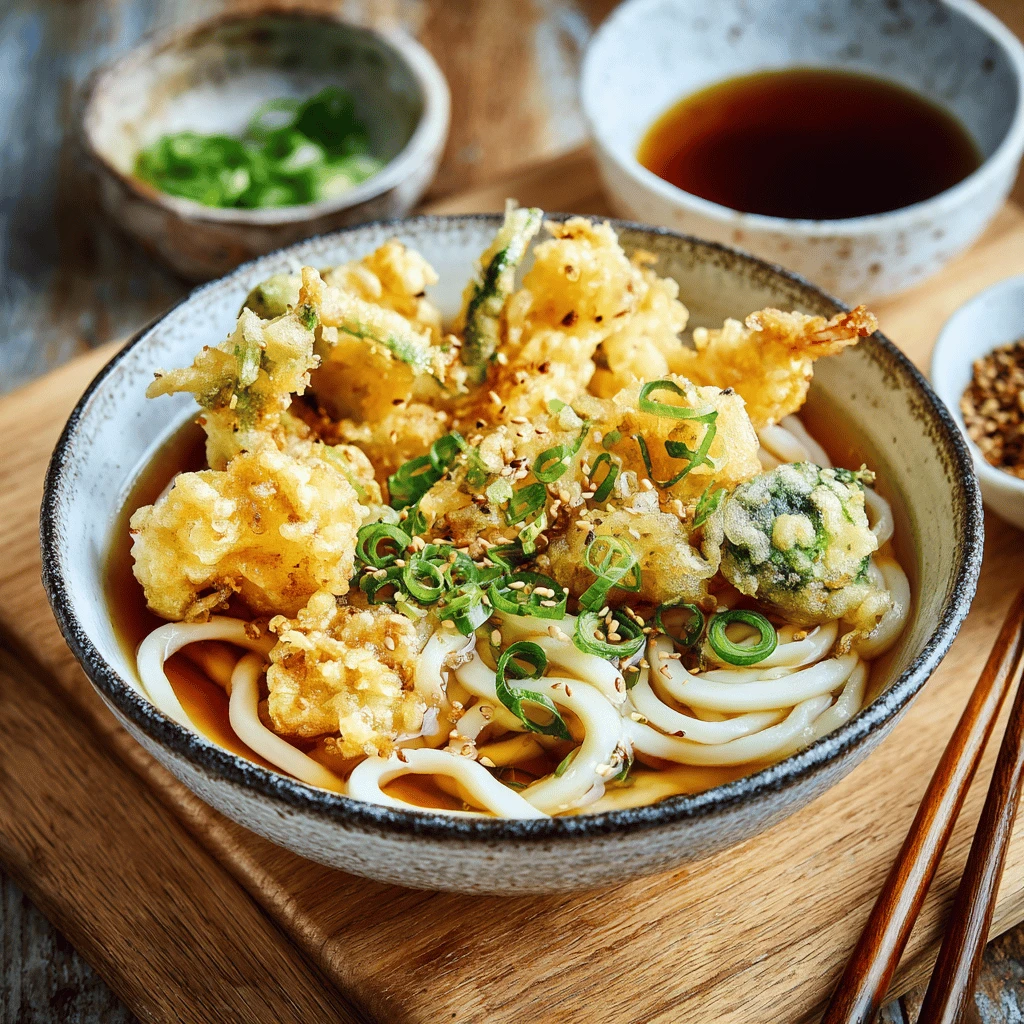
Start with a generous serving of cooked udon noodles in a large bowl. Pour the warm broth over the noodles. Arrange the tempura vegetables and protein sources attractively on top. Garnish with chopped scallions, sesame seeds, and a drizzle of sesame oil.
Dipping Sauces: Keep Them Light
Traditional tempura dipping sauce (tentsuyu) can be high in sodium and sugar. Opt for a lighter version by diluting the sauce with water or dashi. Add grated ginger and daikon radish for extra flavor and digestive benefits. Soy sauce with a splash of rice vinegar and a touch of honey or maple syrup is another healthy alternative.
Portion Control is Key
Even healthy foods can contribute to weight gain if consumed in excess. Pay attention to portion sizes and aim for a balanced meal that includes plenty of vegetables, lean protein, and a moderate amount of carbohydrates.
Recipe Ideas for Healthy Tempura Udon
Here are some recipe ideas to get you started on your healthy tempura udon journey:
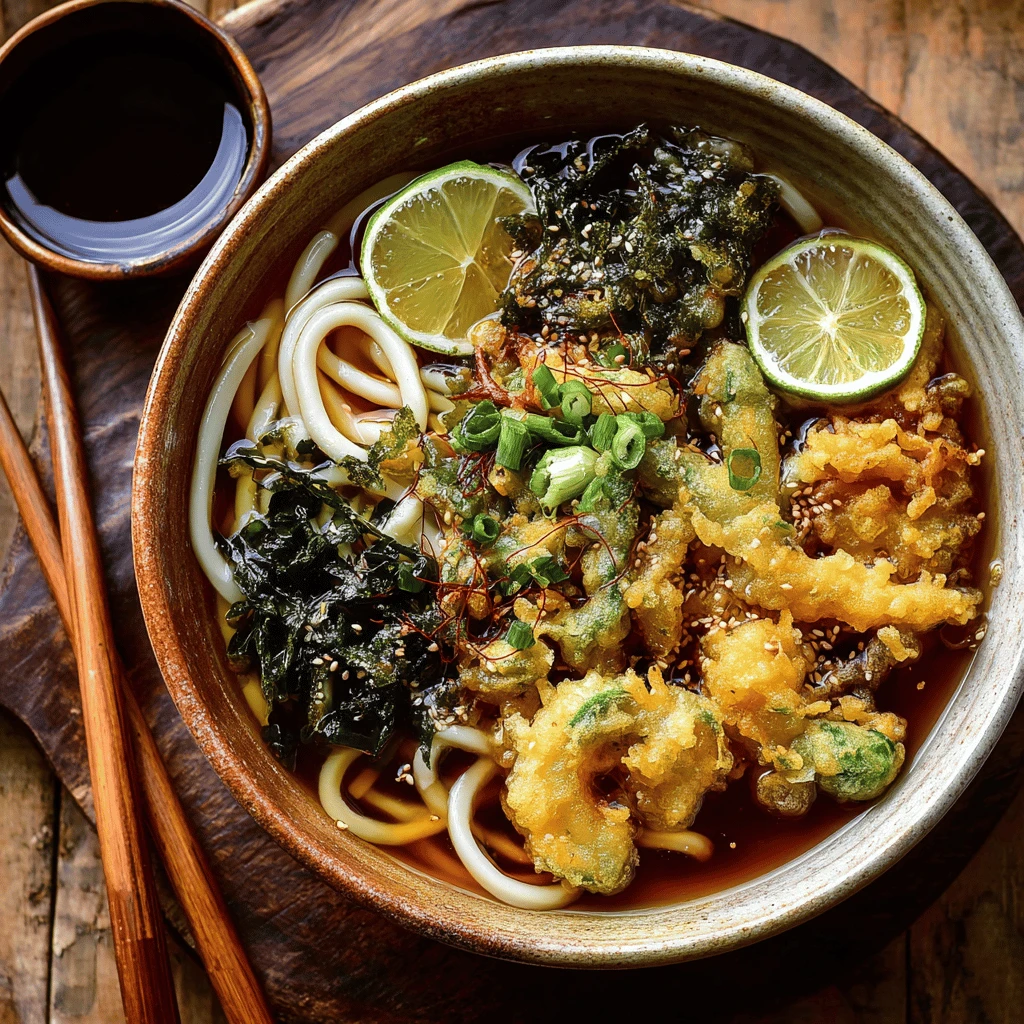
Shrimp and Vegetable Tempura Udon
- Lightly battered shrimp and seasonal vegetables (sweet potato, zucchini, bell peppers) air-fried or shallow-fried.
- Udon noodles in a low-sodium dashi broth with spinach, shiitake mushrooms, and edamame.
- Garnish with scallions, sesame seeds, and a light soy sauce dipping sauce with grated ginger.
Vegan Tempura Udon
- Assorted vegetable tempura (eggplant, green beans, carrots) prepared using a light rice flour batter and air-fried.
- Udon noodles in a vegetable broth with tofu, wakame seaweed, and bok choy.
- Garnish with chopped cilantro, toasted sesame seeds, and a dipping sauce made with soy sauce, rice vinegar, and maple syrup.
Chicken and Vegetable Tempura Udon
- Thinly sliced chicken breast and assorted vegetables (broccoli, carrots, onions) tempura using sparkling water batter and shallow-fried.
- Udon noodles in a chicken broth with snow peas, baby corn and bamboo shoots.
- Garnish with spring onions, togarashi spice and yuzu ponzu dipping sauce.
FAQ: Healthy Tempura Udon
- Is tempura inherently unhealthy?
No, not necessarily. The healthiness of tempura depends on the cooking method and ingredients. Using a light batter, high-quality oil, and air frying or shallow frying can significantly reduce the fat content.
- Can I make tempura gluten-free?
Yes, you can use rice flour or a gluten-free flour blend instead of wheat flour to make gluten-free tempura.
- What are some healthy alternatives to traditional tempura dipping sauce?
Diluted soy sauce with grated ginger and daikon radish, or a mixture of soy sauce, rice vinegar, and a touch of honey or maple syrup are healthier alternatives.
- How can I reduce the sodium content in udon noodle soup?
Use low-sodium broth or make your own broth from scratch using low-sodium ingredients. Avoid adding excessive amounts of soy sauce or other salty condiments.
- What are some good vegetables to use for tempura?
Good choices include sweet potato, zucchini, bell peppers, eggplant, green beans, carrots, and mushrooms.
- Can I use frozen vegetables for tempura?
Fresh vegetables are preferable for tempura as they tend to have a better texture and flavor. If using frozen vegetables, make sure to thaw and pat them dry before battering.
- Is it okay to reheat leftover tempura?
Reheating tempura can make it soggy. It's best to consume it fresh. However, you can try reheating it in the air fryer or oven to restore some crispness.
- What’s the best oil temperature for frying tempura?
The ideal oil temperature is between 320°F (160°C) and 340°F (170°C). Use a thermometer to ensure the oil is at the correct temperature.
- How do I keep tempura crispy after frying?
Place the fried tempura on a wire rack to allow excess oil to drain. Avoid stacking the pieces on top of each other, as this can cause them to steam and become soggy.
- Are udon noodles healthy?
Udon noodles are relatively healthy, providing carbohydrates for energy. They are low in fat and cholesterol. However, they are also low in fiber and protein, so it's important to pair them with nutrient-rich toppings and sauces.