Savory Frittatas: Delicious Breakfast Recipes
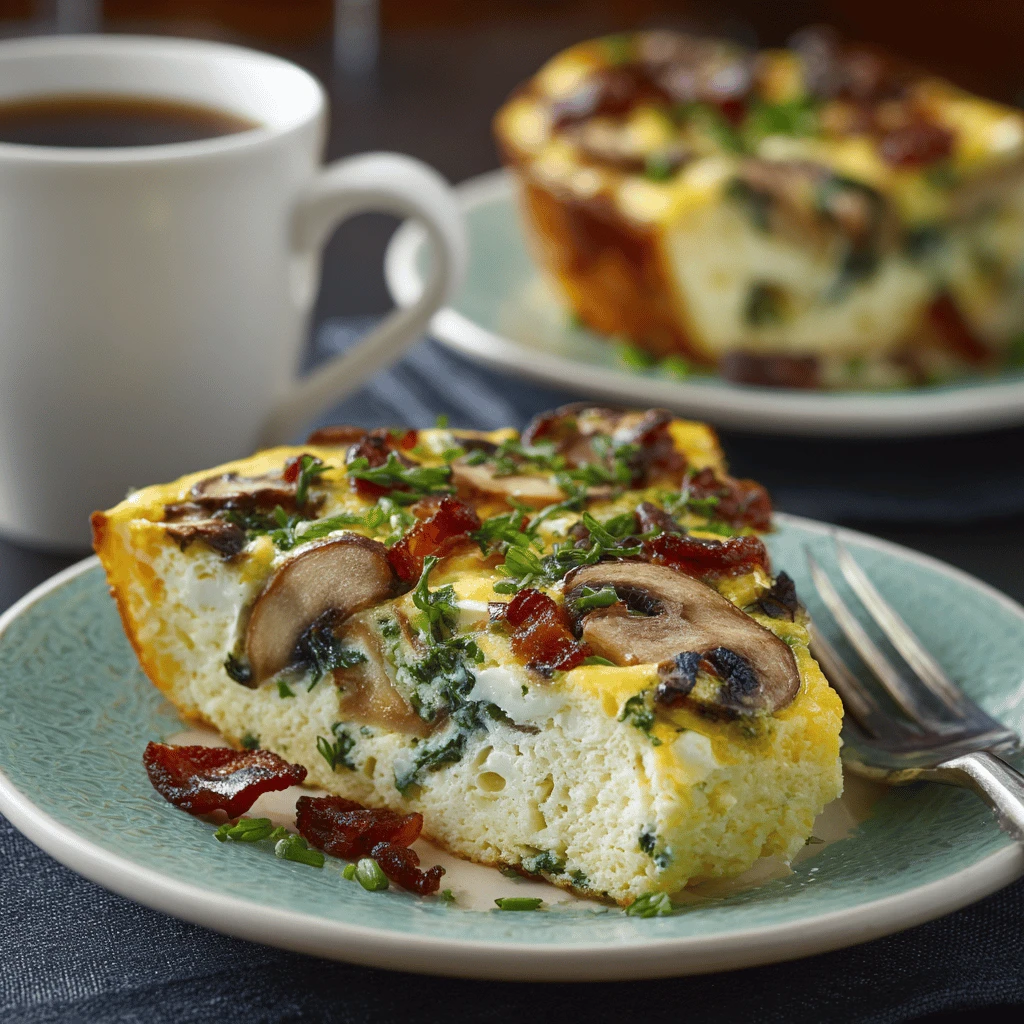
Frittatas are a versatile and satisfying breakfast (or brunch, lunch, or dinner!) option. Essentially an Italian baked omelet, they’re incredibly customizable, making them a perfect canvas for using up leftover vegetables, meats, and cheeses. Unlike omelets that require constant attention and flipping, frittatas are largely hands-off, baked to golden perfection in the oven or finished on the stovetop. This makes them ideal for feeding a crowd or preparing a delicious and healthy meal with minimal fuss.
What Makes a Great Frittata?
The key to a truly delicious frittata lies in the quality of your ingredients and the technique you use.
The Egg Base: The Foundation of Flavor
The ratio of eggs to other ingredients is crucial. Too many additions can lead to a soggy frittata, while too few can make it dry. A general rule of thumb is 6-8 eggs for a 10-inch skillet, but this can be adjusted slightly based on the density of your fillings. Whisk the eggs thoroughly with a splash of milk or cream for added richness. Season generously with salt and pepper – the eggs need to be well-seasoned to stand up to the other flavors. Consider adding a pinch of nutmeg or garlic powder for an extra layer of savory depth. Don’t over-whisk the eggs; you want to incorporate air without making them frothy.
Choosing Your Fillings: Endless Possibilities
The beauty of frittatas is their adaptability. From classic combinations like spinach and feta to more adventurous pairings like chorizo and sweet potato, the possibilities are endless. When choosing your fillings, consider the following:
- Vegetables: Sauté or roast vegetables beforehand to remove excess moisture. This will prevent a watery frittata. Hearty vegetables like potatoes, onions, and peppers benefit from pre-cooking, while tender greens like spinach and kale can simply be wilted.
- Meats: Cooked meats, such as bacon, sausage, ham, or chicken, add protein and flavor. Crumble or dice them into bite-sized pieces.
- Cheeses: Cheese adds richness and creaminess. Hard cheeses like Parmesan, Gruyere, and Cheddar can be grated and added to the egg mixture, while softer cheeses like goat cheese, feta, and ricotta can be crumbled on top after baking.
- Herbs: Fresh herbs, such as parsley, chives, basil, or thyme, add a burst of freshness. Chop them finely and add them to the egg mixture or sprinkle them on top before serving.
Cooking Methods: Stovetop vs. Oven
Frittatas can be cooked entirely on the stovetop or finished in the oven.
- Stovetop Method: This method is faster and yields a slightly denser frittata. Cook the fillings in an oven-safe skillet over medium heat. Pour the egg mixture over the fillings and cook until the edges are set. Then, place the skillet under the broiler until the top is golden brown and the frittata is cooked through.
- Oven Method: This method is more hands-off and produces a fluffier frittata. Cook the fillings in an oven-safe skillet over medium heat. Pour the egg mixture over the fillings and bake in a preheated oven until the frittata is puffed and golden brown.
Savory Frittata Recipes to Try
Here are some delicious and inspiring savory frittata recipes to get you started:
Classic Spinach and Feta Frittata
This is a timeless combination that’s both healthy and flavorful. Sauté spinach with garlic until wilted. Whisk eggs with milk, salt, pepper, and a pinch of nutmeg. Add the spinach to the egg mixture along with crumbled feta cheese. Pour into an oven-safe skillet and bake or broil until golden brown.
- Ingredients: Eggs, spinach, feta cheese, garlic, milk, nutmeg, salt, pepper.
- Variations: Add sun-dried tomatoes, artichoke hearts, or Kalamata olives for extra flavor.
Roasted Vegetable Frittata
Roasting vegetables intensifies their flavor and creates a beautiful presentation. Roast a medley of vegetables like bell peppers, zucchini, onions, and cherry tomatoes with olive oil, salt, and pepper. Whisk eggs with grated Parmesan cheese, salt, and pepper. Add the roasted vegetables to the egg mixture and pour into an oven-safe skillet. Bake until golden brown.
- Ingredients: Eggs, bell peppers, zucchini, onions, cherry tomatoes, Parmesan cheese, olive oil, salt, pepper.
- Variations: Add eggplant, asparagus, or mushrooms to the vegetable medley.
Sausage and Cheddar Frittata
This hearty frittata is perfect for a weekend brunch. Brown sausage in an oven-safe skillet. Drain off any excess grease. Whisk eggs with milk, salt, and pepper. Add grated Cheddar cheese to the egg mixture. Pour the egg mixture over the sausage and bake or broil until golden brown.
- Ingredients: Eggs, sausage, Cheddar cheese, milk, salt, pepper.
- Variations: Add diced potatoes, onions, or peppers to the sausage for added flavor and texture.
Mediterranean Frittata
Embrace the flavors of the Mediterranean with this vibrant frittata. Sauté onions, garlic, and red bell pepper in olive oil. Whisk eggs with crumbled goat cheese, chopped fresh basil, salt, and pepper. Add the sautéed vegetables to the egg mixture and pour into an oven-safe skillet. Bake until golden brown.
- Ingredients: Eggs, goat cheese, onions, garlic, red bell pepper, fresh basil, olive oil, salt, pepper.
- Variations: Add sun-dried tomatoes, Kalamata olives, or artichoke hearts for an authentic Mediterranean touch.
Asparagus and Gruyere Frittata
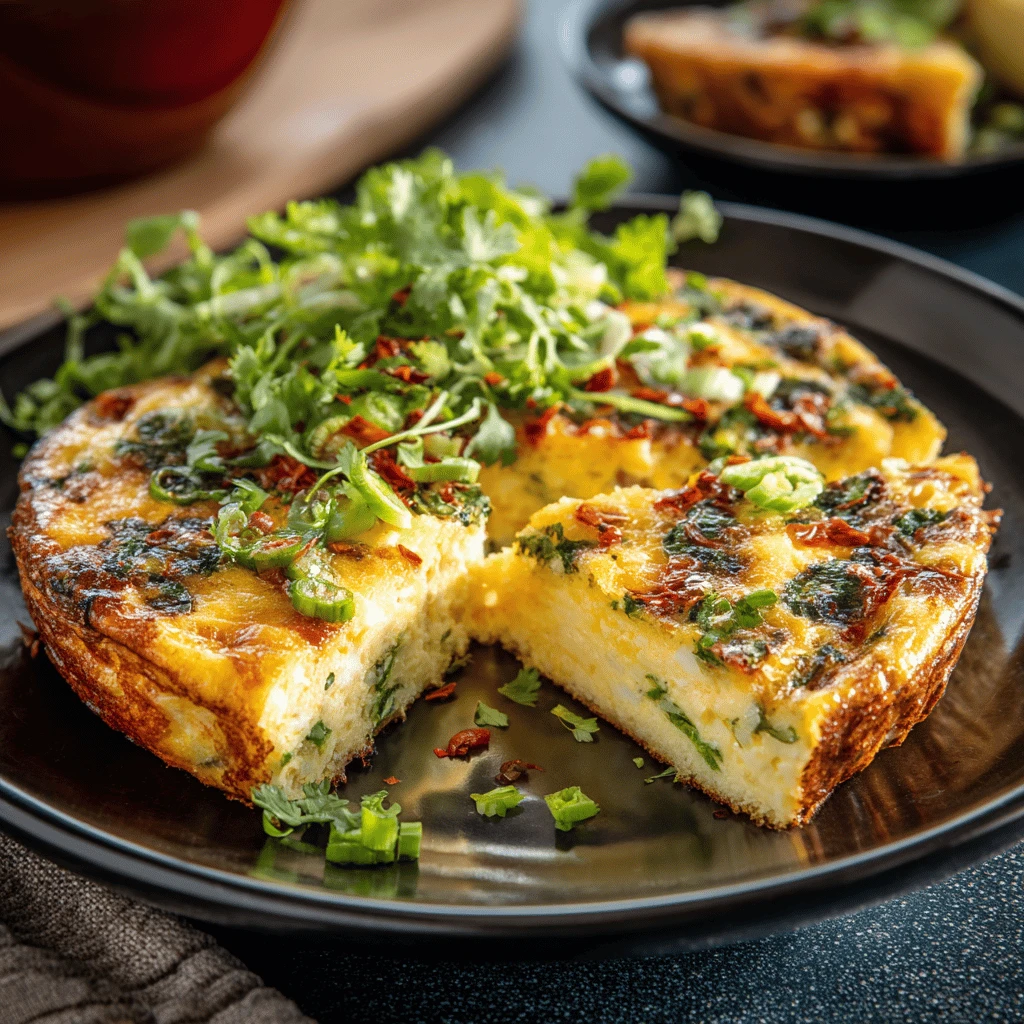
This elegant frittata is perfect for a special occasion. Blanch asparagus until tender-crisp. Whisk eggs with grated Gruyere cheese, salt, and pepper. Add the asparagus to the egg mixture and pour into an oven-safe skillet. Bake until golden brown.
- Ingredients: Eggs, asparagus, Gruyere cheese, salt, pepper.
- Variations: Add prosciutto or pancetta for a richer flavor.
Tips for Frittata Perfection
- Use an oven-safe skillet: A cast iron skillet is ideal, but any oven-safe skillet will work.
- Don’t overcook: Overcooked frittatas can be dry and rubbery. Bake or broil until the eggs are set but still slightly moist in the center.
- Let it rest: Allow the frittata to rest for a few minutes before slicing and serving. This will allow it to set further and make it easier to cut.
- Serve warm or at room temperature: Frittatas are delicious served warm or at room temperature, making them perfect for potlucks and picnics.
- Get creative with toppings: Garnish your frittata with fresh herbs, a drizzle of olive oil, or a sprinkle of Parmesan cheese.
Frequently Asked Questions About Frittatas
- Can I make a frittata ahead of time? Yes! Frittatas are a great make-ahead dish. They can be stored in the refrigerator for up to 3 days and reheated in the oven or microwave.
- Can I freeze a frittata? Yes, you can freeze frittatas. Allow the frittata to cool completely, then wrap it tightly in plastic wrap and foil. Freeze for up to 2 months. Thaw in the refrigerator overnight before reheating.
- What’s the difference between a frittata and an omelet? Frittatas are baked, while omelets are cooked on the stovetop. Frittatas also typically contain more fillings than omelets.
- What’s the best cheese to use in a frittata? The best cheese depends on your personal preference. Gruyere, Parmesan, Cheddar, goat cheese, and feta are all excellent choices.
- Can I use frozen vegetables in a frittata? Yes, you can use frozen vegetables, but be sure to thaw them completely and squeeze out any excess moisture before adding them to the frittata.
- How do I prevent my frittata from sticking to the pan? Use a well-seasoned skillet or grease the skillet with olive oil or butter before adding the egg mixture.
- What can I serve with a frittata? Frittatas are delicious served with a side salad, toast, or fruit.