Fruit Bars: Healthy Snack Ideas for Toddlers
Finding nutritious and convenient snacks for toddlers can feel like a constant quest. Fruit bars offer a seemingly healthy option, but navigating the world of pre-packaged snacks requires careful consideration. This article explores how to choose the best fruit bars for your toddler, provides DIY recipes, and offers other healthy snack alternatives to keep your little one happy and nourished.
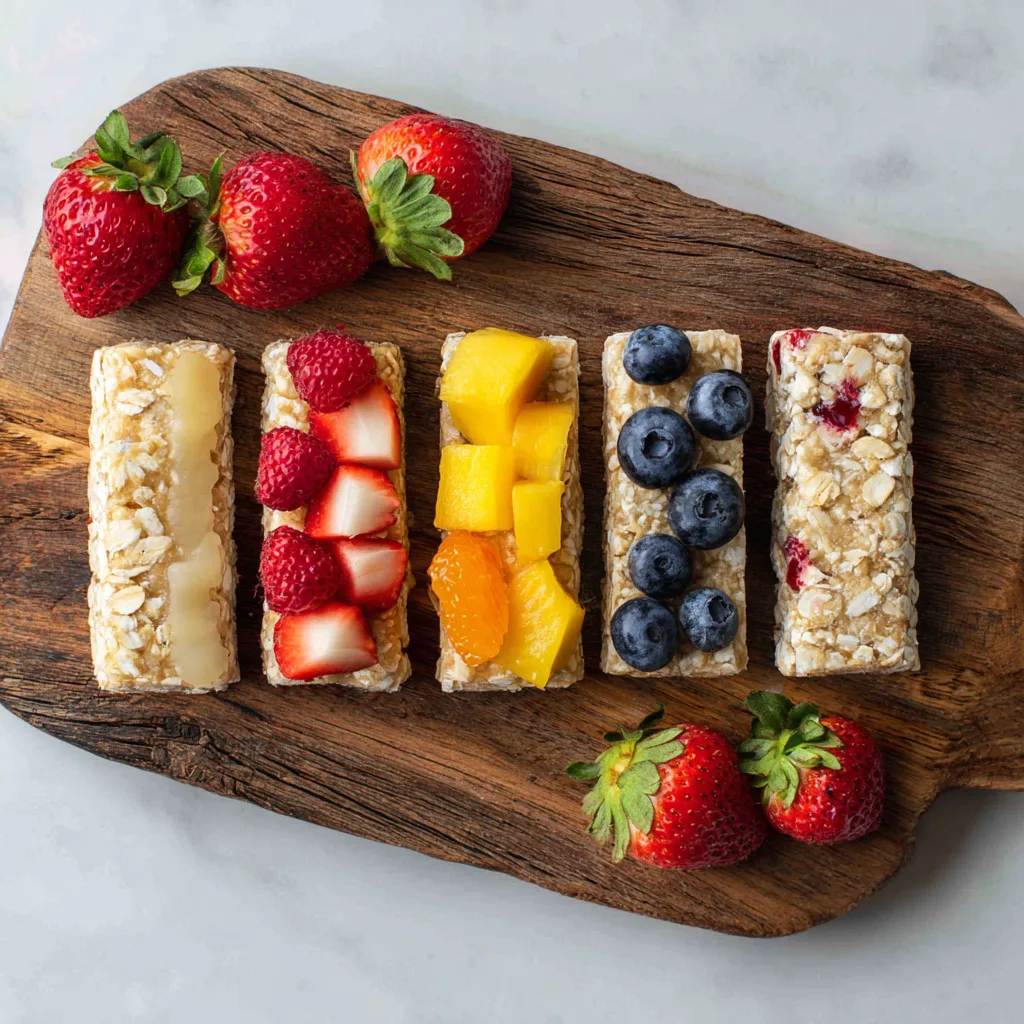
Understanding Fruit Bars: Nutrition and Considerations
Many commercially available fruit bars are marketed as healthy snacks, but their nutritional profiles can vary significantly. It’s essential to become a label-reading pro to distinguish between beneficial options and those loaded with added sugars and unhealthy fats.
Deciphering the Nutrition Label
When selecting fruit bars, prioritize these key areas on the nutrition label:
- Sugar Content: Pay close attention to the total sugar content and where it originates. Naturally occurring sugars from fruits are preferable to added sugars like high fructose corn syrup, cane sugar, or dextrose. Look for bars with minimal added sugar, ideally less than 5 grams per serving.
- Fiber: Fiber is crucial for digestive health and can help regulate blood sugar levels. Aim for fruit bars with at least 2-3 grams of fiber per serving.
- Ingredients List: The shorter the ingredients list, the better. Opt for bars with whole, recognizable ingredients like fruits, vegetables, and whole grains. Avoid those containing artificial flavors, colors, or preservatives.
- Fat Content: While some healthy fats are essential, be mindful of the type and amount of fat in the bar. Look for bars with minimal saturated and trans fats. Healthy fats from nuts and seeds can be beneficial.
- Serving Size: Pay attention to the serving size listed on the package. It’s easy to over-consume snacks, so ensure you’re offering an appropriate portion for your toddler’s age and appetite.
Potential Concerns with Commercial Fruit Bars
While convenient, commercial fruit bars can present some potential drawbacks:
- High Sugar Content: As mentioned earlier, many fruit bars contain significant amounts of added sugar, which can contribute to tooth decay, hyperactivity, and unhealthy weight gain.
- Lack of Fiber: Some fruit bars lack sufficient fiber, which can lead to constipation and prevent your toddler from feeling full and satisfied.
- Artificial Additives: Artificial flavors, colors, and preservatives are common in processed foods, including fruit bars. These additives may be linked to hyperactivity or allergic reactions in some children.
- Cost: Commercial fruit bars can be expensive compared to whole fruits and homemade snacks.
DIY Fruit Bar Recipes for Toddlers
The best way to ensure your toddler is getting a healthy and nutritious snack is to make your own fruit bars at home. These recipes are easy to customize to your child’s preferences and dietary needs.
Baked Fruit and Oat Bars
These bars are packed with fiber and whole grains, making them a satisfying and nutritious snack.
Ingredients:
- 1 cup rolled oats
- 1/2 cup whole wheat flour (or gluten-free alternative)
- 1/4 cup chopped nuts or seeds (optional, avoid if allergies)
- 1 teaspoon cinnamon
- 1/4 teaspoon salt
- 1 cup mashed ripe bananas (about 2 medium)
- 1/2 cup unsweetened applesauce
- 1/4 cup honey or maple syrup (optional, for added sweetness)
- 1/2 cup chopped dried fruit (such as raisins, cranberries, or apricots)
Instructions:
1. Preheat oven to 350°F (175°C). Grease or line an 8×8 inch baking pan with parchment paper.
2. In a large bowl, combine oats, flour, nuts/seeds (if using), cinnamon, and salt.
3. In a separate bowl, mash bananas and mix with applesauce and honey/maple syrup (if using).
4. Add the wet ingredients to the dry ingredients and mix until just combined.
5. Stir in the chopped dried fruit.
6. Pour the batter into the prepared baking pan and spread evenly.
7. Bake for 20-25 minutes, or until a toothpick inserted into the center comes out clean.
8. Let cool completely before cutting into bars.
No-Bake Fruit and Nut Bars
These bars are quick, easy, and require no baking, making them perfect for busy parents.
Ingredients:
- 1 cup pitted dates
- 1 cup nuts (such as almonds, walnuts, or cashews)
- 1/2 cup shredded coconut (unsweetened)
- 1/4 cup chia seeds or flaxseed meal
- 1/4 cup dried fruit (such as cranberries or cherries)
- 1 tablespoon nut butter (such as almond or peanut butter, ensure no allergies)
- 1 teaspoon vanilla extract
Instructions:
1. Soak the dates in warm water for 10 minutes to soften them. Drain well.
2. Place the dates, nuts, and coconut in a food processor and process until finely chopped.
3. Add the chia seeds/flaxseed meal, dried fruit, nut butter, and vanilla extract. Process until the mixture forms a sticky dough.
4. Press the mixture firmly into an 8×8 inch baking pan lined with parchment paper.
5. Refrigerate for at least 30 minutes to allow the bars to firm up.
6. Cut into bars.
Tips for Making Healthy DIY Fruit Bars
- Use Ripe Fruit: Ripe fruit will add natural sweetness and moisture to your bars.
- Adjust Sweetness: Start with less added sweetener and taste the batter before baking. You can always add more if needed.
- Add Healthy Fats: Nuts, seeds, and nut butter provide healthy fats and protein, making the bars more satisfying.
- Experiment with Flavors: Try different combinations of fruits, nuts, and spices to find your toddler’s favorite flavors.
- Store Properly: Store homemade fruit bars in an airtight container in the refrigerator for up to a week.
Beyond Fruit Bars: Other Healthy Snack Options for Toddlers
While fruit bars can be a convenient option, it’s essential to offer a variety of healthy snacks to ensure your toddler is getting a balanced diet.
Fresh Fruits and Vegetables
Fresh fruits and vegetables are packed with vitamins, minerals, and fiber, making them an ideal snack choice.
- Fruits: Offer a variety of fruits such as berries, bananas, apples, grapes (cut in half lengthwise), melon, and oranges.
- Vegetables: Serve raw vegetables like carrots, celery, cucumbers, bell peppers, and cherry tomatoes (cut in half lengthwise) with hummus or a yogurt-based dip.
Protein-Rich Snacks
Protein helps keep toddlers feeling full and satisfied and is essential for growth and development.
- Hard-Boiled Eggs: A great source of protein and essential nutrients.
- Yogurt: Choose plain, unsweetened yogurt and add your own fruit or a drizzle of honey/maple syrup.
- Cheese: Offer small cubes of cheese.
- Edamame: Steamed edamame is a fun and nutritious snack.
- Nut Butter with Apple Slices: A classic combination that provides protein and healthy fats. (Be mindful of allergies)
Whole Grains
Whole grains provide sustained energy and fiber.
- Whole-Grain Crackers with Avocado: A simple and nutritious snack.
- Oatmeal: A warm and comforting snack, especially during colder months.
- Popcorn: Air-popped popcorn is a healthy and fun snack (avoid for very young toddlers due to choking hazard).
Tips for Encouraging Healthy Snacking Habits
Establishing healthy snacking habits early on can have a lasting impact on your child’s health and well-being.
Offer Snacks at Regular Intervals
Establish a consistent snack schedule to prevent your toddler from becoming overly hungry and reaching for unhealthy options. Offer snacks mid-morning and mid-afternoon, between meals.
Make Healthy Snacks Easily Accessible
Keep a variety of healthy snacks readily available in your refrigerator and pantry. Cut up fruits and vegetables in advance to make them easy to grab and go.
Model Healthy Eating Habits
Children learn by observing their parents. Make healthy choices yourself and let your toddler see you enjoying fruits, vegetables, and other nutritious snacks.
Avoid Using Snacks as Rewards or Punishments
Using food as a reward or punishment can create unhealthy associations with food and lead to emotional eating.
Involve Your Toddler in Snack Preparation
Let your toddler help wash fruits and vegetables, measure ingredients, or assemble snacks. This can make them more likely to try new foods and develop a positive relationship with food.
Read Labels Carefully
Always take the time to read the nutrition labels on packaged snacks to make informed choices.
Navigating Common Concerns
Parents often have questions and face common challenges when it comes to toddler nutrition. Let’s address some frequent concerns.
My Toddler is a Picky Eater
Picky eating is a common phase in toddlerhood. Here are some tips for dealing with it:
- Offer a Variety of Foods: Continue to offer a variety of healthy foods, even if your toddler initially rejects them.
- Don’t Pressure Them to Eat: Forcing a child to eat can create negative associations with food.
- Make Mealtime Fun: Serve food in fun shapes or arrange it in creative patterns.
- Eat Together as a Family: Children are more likely to try new foods if they see their parents enjoying them.
- Be Patient: It can take multiple exposures to a new food before a child accepts it.
My Toddler Only Wants Sugary Snacks
It’s natural for toddlers to crave sugary snacks, but it’s important to limit their intake.
- Offer Healthy Alternatives: Provide plenty of healthy snack options, such as fruits, vegetables, and yogurt.
- Limit Access to Sugary Snacks: Keep sugary snacks out of sight and out of reach.
- Read Labels Carefully: Be aware of the sugar content in packaged snacks.
- Lead by Example: Model healthy eating habits yourself.
My Toddler Has Allergies
If your toddler has allergies, it’s essential to be extra careful when selecting snacks.
- Read Labels Carefully: Always read the ingredient list on packaged snacks to check for allergens.
- Prepare Snacks at Home: Making your own snacks allows you to control the ingredients and avoid allergens.
- Communicate with Caregivers: Inform daycare providers, teachers, and other caregivers about your toddler’s allergies.
- Carry an Epinephrine Auto-Injector: If your toddler has a severe allergy, always carry an epinephrine auto-injector and know how to use it.
Fruit Bars: Healthy Snack Ideas for Toddlers – FAQ
-
- Are fruit bars a healthy snack for toddlers?
Fruit bars can be a healthy snack, but it depends on the brand and ingredients. Check the label for added sugars, fiber content, and artificial additives. Homemade fruit bars are often the healthiest option.
-
- What are some healthy alternatives to store-bought fruit bars?
Fresh fruits and vegetables, yogurt, cheese, hard-boiled eggs, whole-grain crackers with avocado, and homemade trail mix are all excellent healthy snack alternatives for toddlers.
-
- How much sugar is too much in a fruit bar for a toddler?
Ideally, a fruit bar should have minimal added sugar, preferably less than 5 grams per serving. Focus on bars where the sugar comes primarily from the natural sweetness of fruits.
-
- Can I make my own fruit bars at home?
Yes! Homemade fruit bars are a great way to control the ingredients and ensure a healthy snack for your toddler. There are many simple recipes that you can find online.
-
- What if my toddler is a picky eater and refuses healthy snacks?
Keep offering a variety of healthy foods, even if your toddler initially rejects them. Don't pressure them to eat, and make mealtime fun. It can take multiple exposures to a new food before a child accepts it.