There are few cookies that capture the essence of spring and summer quite like the Lemon Crinkle Cookie. With its bright, tangy flavor and signature snowy, cracked surface, it is a delightful twist on the classic crinkle cookie. The perfect execution yields a treat that is chewy at the edges, soft and slightly cakey in the center, and bursting with authentic citrus flavor. Achieving that perfect, powdery crinkle requires more than just mixing ingredients; it involves mastering specific techniques, from infusing the sugar with zest to ensuring the dough is properly chilled and coated. This guide provides the definitive recipe and unlocks the secrets to baking a truly exceptional batch every time.
Optimized Lemon Crinkle Cookie Recipe
Yields: Approximately 3 Dozen Cookies Prep Time: 20 minutes (plus 2–3 hours chill time) Bake Time: 10–12 minutes
Ingredients
For the Cookies:
-
2 cups (250g) All-Purpose Flour
-
1 teaspoon Baking Powder
-
1/4 teaspoon Baking Soda
-
1/2 teaspoon Fine Sea Salt
-
1/2 cup (113g or 1 stick) Unsalted Butter, softened to room temperature
-
1 1/4 cups (250g) Granulated Sugar
-
Zest of 2–3 large Lemons (about 2 tablespoons)
-
1 large Egg, room temperature
-
1 large Egg Yolk, room temperature (for added chewiness)
-
3 tablespoons Fresh Lemon Juice
-
1 teaspoon Pure Vanilla Extract
-
1/2 teaspoon Lemon Extract (Optional, for an ultra-bold flavor)
For Rolling:
-
1/4 cup Granulated Sugar (for the first coating)
-
3/4 cup Confectioners’ Sugar (Powdered Sugar), generously sifted (for the final coating)
Step-by-Step Instructions
1. Create the Lemon Sugar and Cream: In a large mixing bowl, or the bowl of a stand mixer, combine the 1 1/4 cups of granulated sugar and the lemon zest. Use your fingertips to rub the zest into the sugar for 30–60 seconds until the mixture is highly fragrant and the sugar appears moist and pale yellow. This crucial step releases the lemon’s essential oils, maximizing flavor infusion. Add the softened butter to the lemon sugar and cream the mixture together on medium-high speed until light, fluffy, and noticeably paler in color (about 3 minutes).
2. Incorporate Wet Ingredients: Add the large egg, the extra egg yolk, vanilla extract, and optional lemon extract, mixing until just combined. Scrape down the sides of the bowl. Slowly drizzle in the fresh lemon juice and mix until fully incorporated. The mixture may look slightly curdled due to the acid; this is normal.
3. Mix in Dry Ingredients: In a separate medium bowl, whisk together the flour, baking powder, baking soda, and salt. Gradually add the dry mixture to the wet ingredients, mixing on low speed until the dough just comes together and no streaks of flour remain. Do not overmix; over-developed gluten leads to tough cookies. The resulting dough will be thick, very soft, and sticky.
4. Chill the Dough (Non-Negotiable): Cover the bowl tightly with plastic wrap and refrigerate for a minimum of 2 hours, and preferably 3 hours or overnight. Chilling is essential, as it solidifies the fats, allowing the cookies to hold their shape during baking and, most importantly, preventing the powdered sugar from dissolving.
5. Roll and Coat: Preheat your oven to 350°F (175°C). Line two large baking sheets with parchment paper or silicone mats. Place the 1/4 cup of granulated sugar in a small shallow bowl and the 3/4 cup of sifted confectioners’ sugar in another. Using a small cookie scoop (about 1.5 tablespoons or 25g), scoop the dough and roll it quickly between your palms to form smooth balls.
For the definitive crinkle effect, follow the double-roll method:
-
Roll the dough ball first in the granulated sugar to create a moisture-absorbing protective layer.
-
Immediately roll the coated ball in the confectioners’ sugar, ensuring it is heavily and completely covered. The coating should be extremely thick and visible, like a snowball.
-
Place the coated balls two inches apart on the prepared baking sheets.
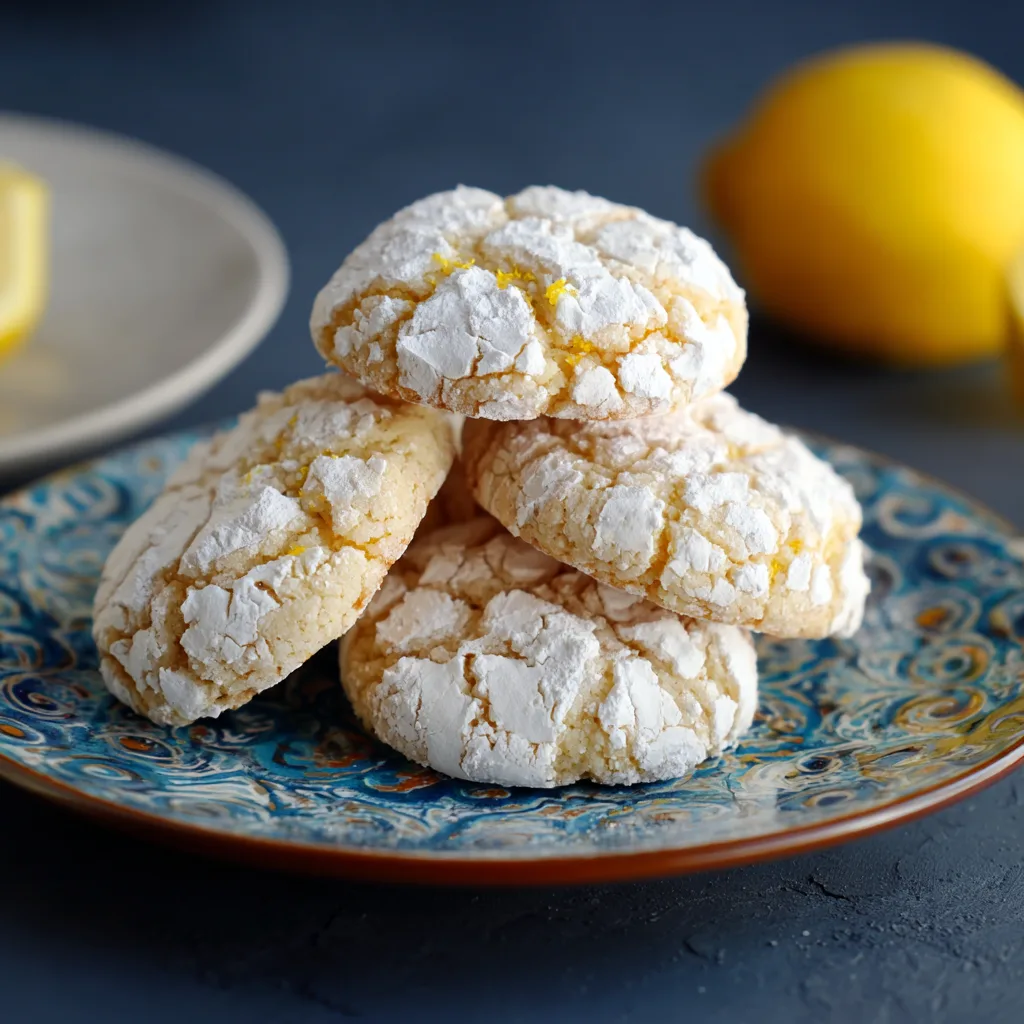
6. Bake and Cool: Bake for 10–12 minutes, rotating the pans halfway through. The cookies are done when the edges are set and lightly golden, and the centers are still slightly puffed and soft. The signature cracks should have formed across the top, showing the pale yellow dough beneath the white powdered sugar. Allow the cookies to cool completely on the baking sheet before transferring them to a wire rack. This allows them to set fully and preserves the soft interior texture.
Mastering the Brightest Lemon Flavor
The defining characteristic of an outstanding Lemon Crinkle Cookie is its vibrant, unmistakable citrus punch. While the recipe structure provides the texture, careful attention to the flavoring agents ensures the zing truly shines through.
The Power of the Zest
Lemon flavor lives primarily in the zest, the bright yellow outer layer of the rind that contains concentrated volatile oils. The search analysis consistently highlighted one critical technique for flavor maximization: the Lemon Sugar rub.
By rubbing the fresh lemon zest directly into the granulated sugar before creaming it with butter, you physically rupture the oil sacs in the zest. This process releases the essential oils, which are fat-soluble, allowing them to bind directly to the sugar and butter during the creaming stage. This infusion step yields a flavor far superior to simply adding the zest later in the mixing process.
Balancing Fresh Juice and Extract
The perfect cookie utilizes both fresh lemon juice and, often, a high-quality extract.
-
Fresh Lemon Juice: The juice provides necessary acidity (which tenderizes the cookie) and a beautiful natural tang. However, lemon juice is mostly water; adding too much can throw off the wet-to-dry ratio, leading to excessively soft, sticky dough that spreads too much. Use the recommended amount (2–3 tablespoons) for the best balance of flavor and structure.
-
Lemon Extract: If you want an intensely “loud” lemon flavor—the kind that pops—a high-quality extract is recommended. Since extract is highly concentrated and alcohol-based, it provides flavor without adding excess moisture, which is especially helpful in cookies where the texture is delicate. A half-teaspoon to a full teaspoon of extract, used in conjunction with fresh zest and juice, creates a complex and robust flavor profile.
For the most authentic taste, always use fresh, unwaxed lemons. Zest the fruit before juicing it, as zesting a halved, juiced lemon is significantly more challenging.
The Science Behind the Crinkle and Texture
The dramatic, web-like pattern that gives the crinkle cookie its name is a result of specific chemical and physical interactions during the baking process. Understanding this science ensures a successful result every time.
The Critical Role of Chilling
The most common mistake leading to flat, un-crinkled cookies is insufficient chilling. The Lemon Crinkle dough contains a higher ratio of wet ingredients—specifically, acidic lemon juice—which makes the dough softer and stickier than a standard sugar cookie dough.
-
Fat Solidification: Chilling the dough solidifies the butter and other fats. When the cold dough balls hit the hot oven, the fat takes longer to melt, allowing the exterior structure of the cookie to set before the dough spreads too rapidly.
-
Flavor Development: Chilling also gives the flour time to fully hydrate, resulting in a more uniform texture, and allows the lemon flavor to permeate the dough, deepening its complexity.
A minimum chill time of two hours is necessary, but resting the dough for 3–24 hours ensures maximum success and ease of handling.
The Mechanics of the Double-Roll Coating
The crinkle effect is purely visual and occurs because the dough expands faster than its sugar coating, forcing the outer shell to crack. To ensure the coating remains visible and does not simply melt or dissolve, the double-roll technique is paramount:
-
Granulated Sugar (Inner Coat): The first roll in plain granulated sugar provides a coarse, absorbent layer. Since the dough is sticky and moist, this layer absorbs surface moisture and creates a mechanical barrier between the dough and the delicate confectioners’ sugar.
-
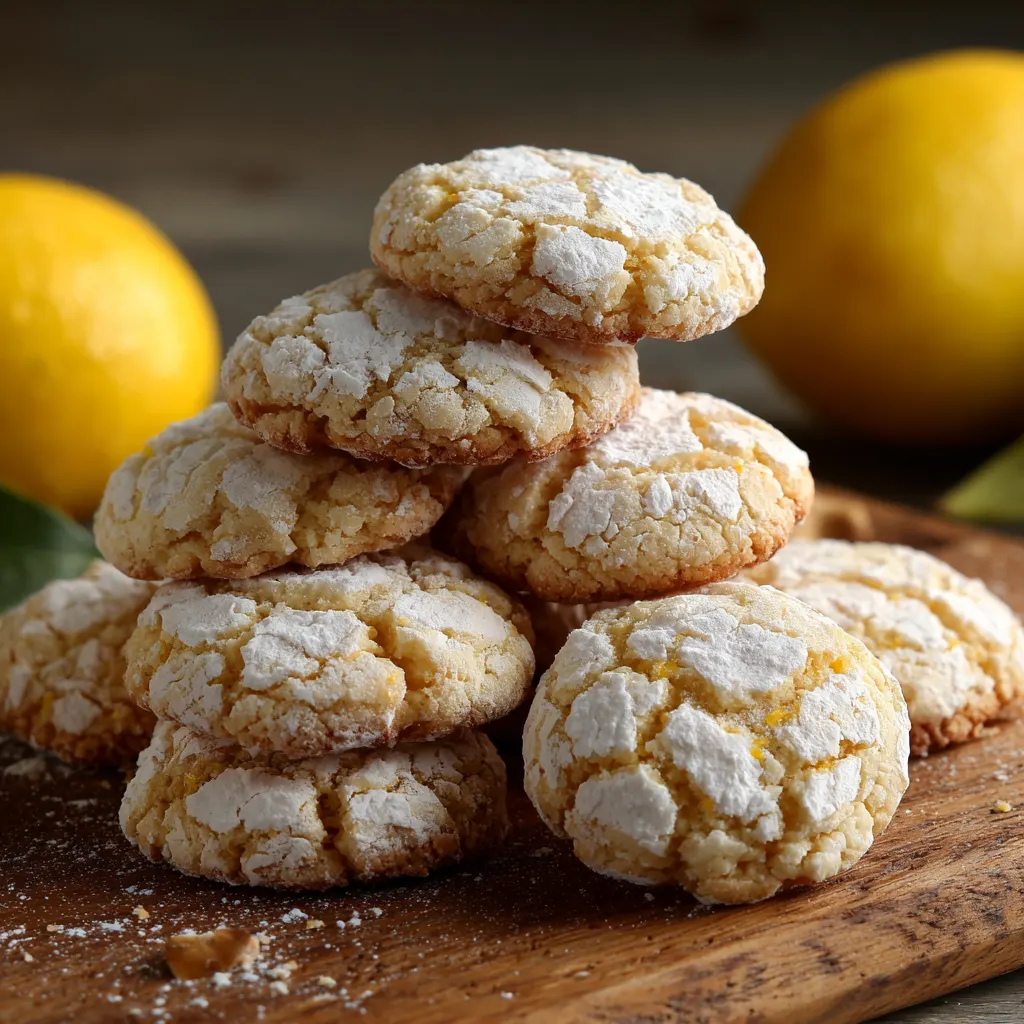
Confectioners’ Sugar (Outer Coat): The second, thick roll in finely sifted powdered sugar is what creates the snowy white contrast. Powdered sugar contains a small amount of cornstarch, which helps keep the sugar particles separated and prevents clumping. Because the outer layer is so thick and the dough ball is very cold, the confectioners’ sugar does not dissolve completely during the initial bake time. As the cookie expands, the thin shell of powdered sugar cracks open, exposing the vibrant yellow cookie beneath.
Expert Tip: Roll the dough balls immediately before baking. If you roll them and let them sit on the tray while the oven preheats, the moisture will be drawn out, dissolving the powdered sugar before it even enters the oven.
Troubleshooting Common Baking Challenges
Even with a perfect recipe, cookie baking can present challenges. Here are solutions to the most frequent issues encountered when making Lemon Crinkle Cookies.
Problem: The Cookies Spread Too Much
Solution: Spreading is almost always caused by overly soft dough.
-
Check the Chill: Ensure the dough was chilled for at least 2 hours and is solid to the touch. If your kitchen is warm, or you are working slowly, the dough balls may warm up while you are rolling them.
-
Re-chill Mid-Process: If the dough becomes sticky, place the formed dough balls (before rolling in sugar) on a baking sheet and freeze them for 10–15 minutes. Roll them in the sugar immediately before they go into the oven.
-
Flour Check: Ensure your flour was spooned and leveled, not scooped. Too much flour will result in a dry cookie, but too little will make the dough excessively loose. If you suspect high moisture content (e.g., from an extra juicy lemon), you may add 1–2 tablespoons of extra flour to the dough before chilling.
Problem: No Crinkle, Just White Snowballs
Solution: This means the powdered sugar dissolved into the dough.
-
Roll, Roll, Roll: The powdered sugar coat must be exceptionally thick. You should not be able to see the dough through the white layer. Do not flatten the dough balls; a nice round ball encourages the cracking to occur evenly on the surface.
-
Use the Double Roll: Make sure you use the granulated sugar underneath the powdered sugar. The granulated sugar acts as a protective shield against moisture absorption.
-
Bake Immediately: The moment the cookies are coated, they must go straight into the preheated oven.
Problem: The Cookies are Dry or Cakey
Solution: This is usually a sign of over-baking or incorrect ingredient temperatures.
-
Use Room Temperature Ingredients: Ensure the butter, egg, and egg yolk are at true room temperature. This allows them to cream with the sugar to create the maximum amount of air pockets, leading to a softer, more tender texture.
-
Do Not Overbake: Crinkle cookies are meant to be slightly underbaked to maintain a chewy, soft center. Look for edges that are barely set and a center that is still slightly puffy, matte, but not glossy. The bake time of 10–12 minutes at 350°F (175°C) is ideal; err on the side of removing them sooner rather than later. They will continue to set on the hot baking sheet.
Variations, Storage, and Serving
Once you have mastered the classic Lemon Crinkle Cookie, you can explore simple variations and establish best practices for storage and preservation.
Creative Flavor Variations
The crinkle cookie base is highly versatile and easily adapted to other citrus flavors:
-
Lime Crinkles: Substitute the lemon zest and juice with fresh lime zest and juice (using the same quantity). You may also add 1/4 cup of finely chopped, unsweetened coconut flakes to the dough for a tropical twist.
-
Meyer Lemon: Use Meyer lemons for a subtle, sweeter, and less acidic flavor profile. Since Meyer lemons are naturally less tart, you may want to ensure you use the optional lemon extract to boost the citrus notes.
-
Glazed Crinkles: While a traditional crinkle cookie relies on the powdered sugar coating, a simple lemon glaze (confectioners’ sugar whisked with 1–2 tablespoons of lemon juice) can be drizzled over the cooled cookies to add extra sheen and tartness. If glazing, skip the powdered sugar roll and instead roll the dough in granulated sugar only.
Storage and Freezing
Lemon Crinkle Cookies are excellent candidates for making ahead, either as baked cookies or raw dough.
-
Baked Cookies: Store baked, cooled cookies in an airtight container at room temperature for up to 5 days. For the best texture, store them away from excessive heat or humidity, which can dissolve the powdered sugar topping.
-
Freezing Baked Cookies: Cool the cookies completely, then freeze them in a single layer until solid. Transfer them to a freezer-safe bag or container, separated by parchment paper, for up to 3 months. Thaw on the counter at room temperature.
-
Freezing Dough (Best Method): This is the ideal way to prep ahead. Once the dough has chilled, scoop and roll the balls, but do not coat them in sugar. Place the uncoated dough balls on a baking sheet and freeze until firm (about 1 hour). Transfer the frozen dough balls to a freezer bag and store for up to 3 months. When ready to bake, remove the desired number of balls, let them sit at room temperature for about 30 minutes, and then proceed with the double-roll coating and baking as directed. They may require an extra minute or two in the oven.