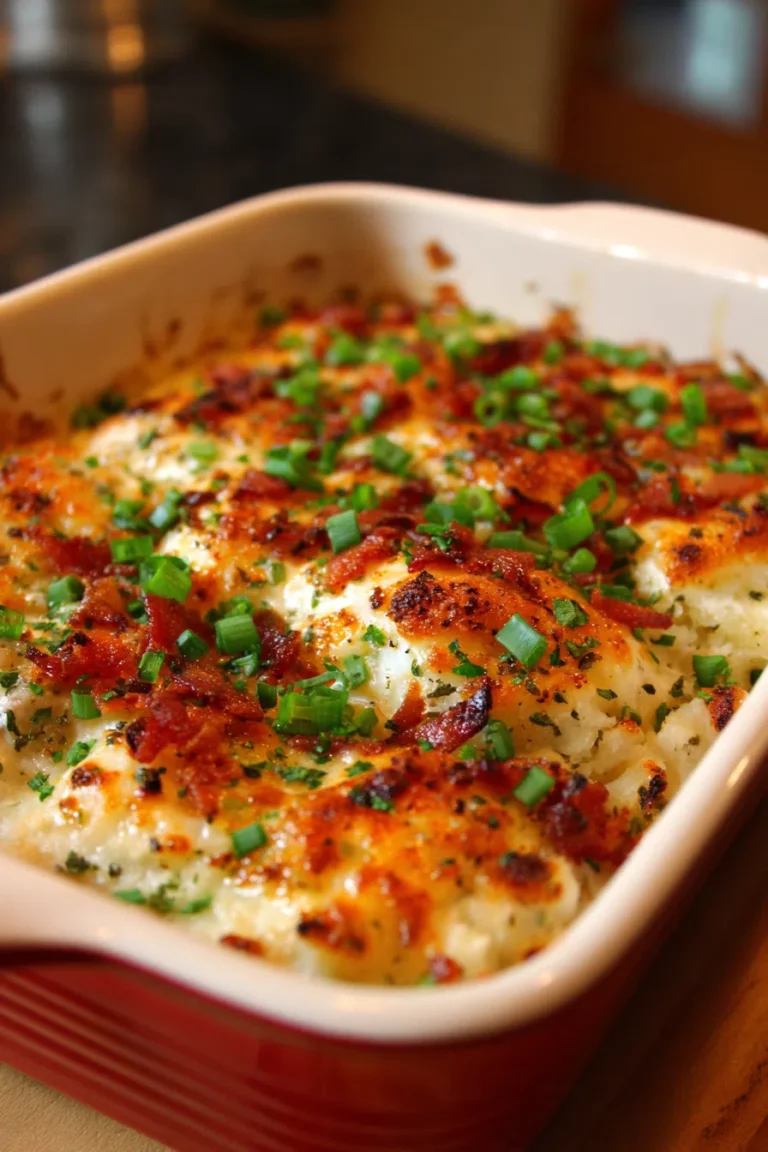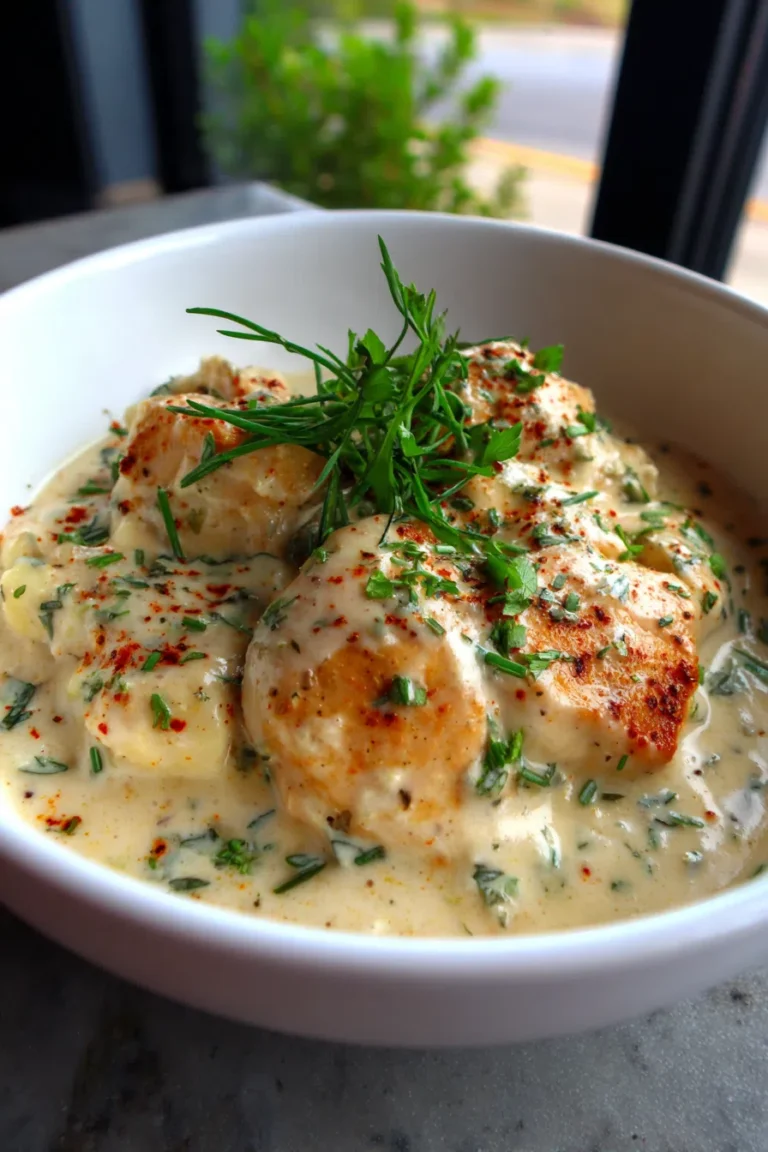
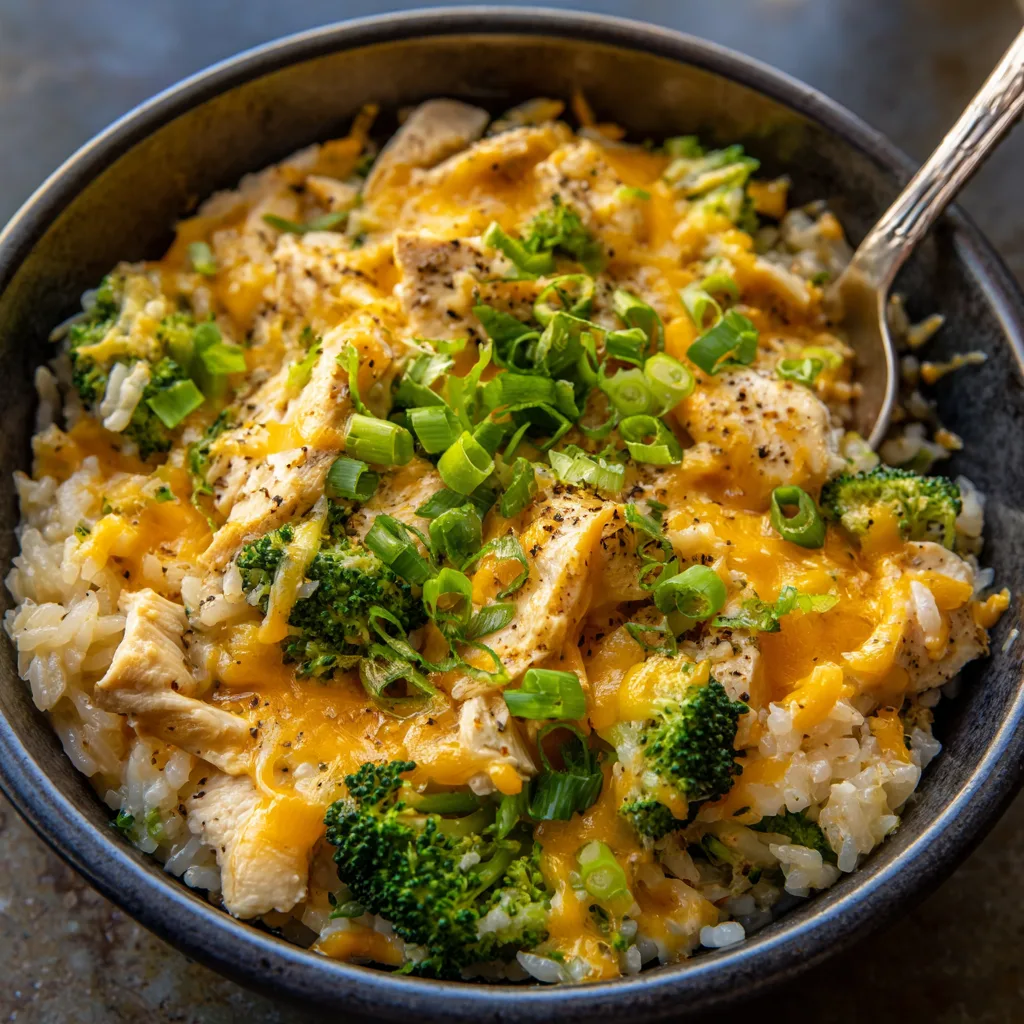
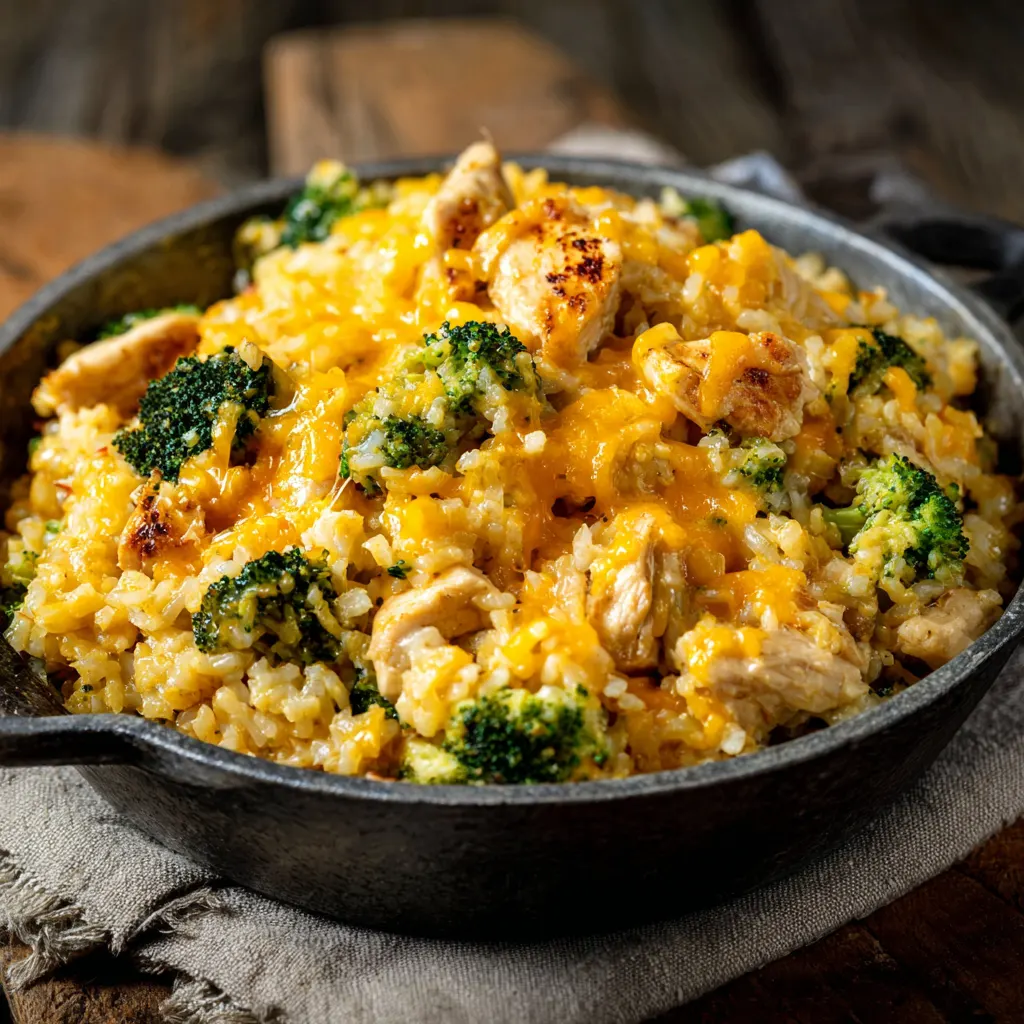
This dish is a timeless staple of comfort cooking, universally beloved for its creamy texture, savory chicken, and bright hint of broccoli, all bound together by melted cheddar. It represents the perfect trifecta of ease, flavor, and satisfying nourishment. Whether prepared as a quick one-pan weeknight skillet or a hearty baked casserole, Cheesy Chicken Broccoli Rice is guaranteed to earn a permanent spot in your family’s dinner rotation. The core components—protein, vegetable, and starch—cook in concert, absorbing the rich flavors of chicken broth and aromatic spices, culminating in a dish that tastes complex but is deceptively simple to prepare.
For the fastest and creamiest results, the one-pan skillet method is recommended. This technique leverages the starch from the rice to create a sauce-like consistency without the need for traditional canned condensed soups.
Ingredients
-
2 tablespoons olive oil
-
1 pound boneless, skinless chicken breasts or thighs, cut into 1-inch, bite-sized pieces
-
1 teaspoon kosher salt, divided
-
½ teaspoon black pepper
-
½ medium yellow onion, finely diced (optional, but recommended)
-
2 cloves garlic, minced
-
1 cup uncooked long-grain white rice (Basmati or Jasmine rice may be used, but adjust liquid slightly)
-
2 ½ cups low-sodium chicken broth or stock
-
2 cups fresh or frozen broccoli florets (cut into bite-sized pieces)
-
1 ½ cups shredded sharp cheddar cheese, freshly grated is best
Step-by-Step Instructions (One-Pan Skillet Method)
-
Sauté the Chicken: Heat the olive oil in a large (12-inch or higher-sided) skillet or Dutch oven over medium-high heat. Add the diced chicken pieces and season with ½ teaspoon of salt and the black pepper. Cook, stirring occasionally, until the chicken is browned on all sides and mostly cooked through (white on the outside), about 4–6 minutes. Remove the chicken from the skillet and set it aside, leaving any drippings in the pan.
-
Build the Base: Reduce the heat to medium. Add the diced onion (if using) to the skillet and sauté for 3–4 minutes until softened. Add the minced garlic and stir for one minute until fragrant.
-
Toast the Rice: Add the uncooked rice to the skillet and stir well, coating it in the oil and aromatics. Cook for 1–2 minutes; this toasting step enhances the nutty flavor of the rice.
-
Simmer: Pour in the chicken broth and stir, scraping up any browned bits from the bottom of the pan. Bring the mixture to a rolling boil. Once boiling, reduce the heat immediately to low, cover the skillet tightly with a lid, and simmer for 12–15 minutes.
-
Add Broccoli: Remove the lid and quickly stir in the broccoli florets and the remaining ½ teaspoon of salt. If using frozen broccoli, no thawing is necessary. Replace the lid and continue to simmer for another 5–8 minutes, or until the rice is tender, the liquid is absorbed, and the broccoli is fork-tender.
-
Finish with Cheese: Remove the skillet from the heat. Stir in the cooked chicken and 1 cup of the shredded cheddar cheese until the cheese is completely melted and a rich, creamy sauce forms.
-
Serve: Sprinkle the remaining ½ cup of cheese over the top of the dish. Cover the skillet again for 2–3 minutes to allow the residual heat to fully melt the topping. Serve immediately.
The Art of the One-Pan Dinner: Techniques for Optimal Results
The “one-pan” or “skillet” method for Cheesy Chicken Broccoli Rice is celebrated for its efficiency and the superior texture it yields. Unlike a traditional casserole that often relies on pre-cooked rice and thick canned soups, the skillet technique creates a naturally creamy, risotto-like dish where the starch released during the rice’s cooking process thickens the sauce. Mastering this technique ensures a consistently delicious meal every time.
Rice Selection and Preparation: The type of rice used is critical. Long-grain white rice is the standard choice because it holds its shape well and releases enough starch to create a creamy mouthfeel without becoming mushy or “gluggy,” a common pitfall of other rice types.
-
Do not use minute rice or instant rice unless you adjust the liquid and cooking time drastically, as it will break down too quickly.
-
For best results, some recipes recommend rinsing the rice before use to remove excess starch. However, in this specific one-pan recipe, the starch is desired to help thicken the sauce. If you prefer a less creamy consistency, rinse the rice thoroughly before adding it to the pan.
-
Troubleshooting: If your rice is al dente but the liquid is gone, add a small splash of broth (¼ cup) and continue simmering, covered, for a few more minutes. If the rice is done but too much liquid remains, remove the lid and increase the heat slightly for 1–2 minutes to evaporate the excess.
Chicken and Vegetable Timing: The sequence of adding ingredients is designed to ensure everything finishes cooking simultaneously.
-
Searing the Chicken: Browning the chicken at the start is crucial, as it builds a flavorful base (known as fond) on the bottom of the pan. The residual heat from the covered simmering period finishes cooking the chicken gently, preventing it from drying out. Cutting the chicken into uniform, bite-sized pieces (1-inch cubes) guarantees even cooking.
-
Broccoli Integration: Broccoli is a fast-cooking vegetable. Adding it too early will result in soft, mushy florets. By adding it late in the simmering process (the last 5-8 minutes), you are essentially steaming the broccoli on top of the cooking rice, which preserves its vibrant color and pleasant, slightly crisp texture. Steamable frozen broccoli is a simple and quick alternative, but ensure any excess water is drained if you thaw it beforehand.
The Cheese Factor: For the ultimate creamy finish, always shred your own cheddar cheese from a block. Pre-shredded cheeses are coated with anti-caking agents like cellulose or potato starch, which prevents them from melting smoothly and can result in a grainy sauce. Freshly grated cheese melts seamlessly into the hot liquid, creating the rich, velvety sauce characteristic of this dish.
Cheesy Chicken Broccoli Rice Casserole: The Make-Ahead Classic
While the one-pan method is fast, the traditional casserole offers a heartier, more nostalgic flavor profile, often characterized by a rich, deeply savory sauce and a crunchy topping. This method is ideal for meal prepping, feeding a crowd, or enjoying classic comfort food flavor.
The Creamy Base: The signature element of the casserole is its binding sauce. While many classic recipes call for a can of condensed cream of chicken or mushroom soup, it is possible to create a “from-scratch” creamy base for a fresher taste and better control over sodium.
-
Using Condensed Soup: This is the easiest route. Mix one can of condensed cream soup with milk, sour cream, or plain Greek yogurt. The addition of sour cream or Greek yogurt adds a desirable tang and helps keep the casserole moist during baking.
-
Creating a Roux-Based Sauce: For a homemade alternative, melt butter and whisk in flour to create a roux. Gradually add milk and chicken broth, simmering until thickened. Season this base heavily before mixing with the other ingredients.
Cooked vs. Uncooked Rice: Casserole recipes vary significantly based on the rice they use, which dramatically impacts the cook time:
-
Casserole with Cooked Rice: The fastest baked option. Since the rice and chicken are already cooked (often using rotisserie chicken), the casserole only needs 30 minutes in the oven to heat through, allow the flavors to meld, and melt the cheese.
-
Casserole with Uncooked Rice: This method requires longer, typically 50–60 minutes, as the rice absorbs the liquid (broth/soup mixture) while baking. The casserole dish must be tightly covered with foil during most of the baking period to ensure the rice steams and cooks properly.
The Golden Topping: A great casserole often features textural contrast. Adding a crunchy topping is a defining characteristic of this comfort food:
-
Popular Toppings: Crushed Ritz crackers, crushed cornflakes, or seasoned panko breadcrumbs are the most common choices.
-
Preparation: Toss the crushed topping of choice with 2–3 tablespoons of melted butter and sprinkle it over the casserole during the last 10 minutes of baking. This ensures the topping is golden brown and crisp, not soggy.
Optimizing Flavor and Customization
While Cheesy Chicken Broccoli Rice is excellent in its simple form, it is highly adaptable, allowing for countless variations to suit dietary needs or flavor preferences.
Chicken Choice: Breast vs. Thigh: The choice between boneless, skinless chicken breast and chicken thighs depends on your preference for texture and richness.
-
Chicken Thighs: Preferred by many professional cooks for one-pot meals. Thighs are dark meat, higher in fat, and remain significantly moister and more flavorful during simmering or baking, reducing the risk of a dry final dish.
-
Chicken Breast: A leaner option. To keep the breast moist in the skillet method, ensure pieces are small and are added back into the pan only after they are mostly cooked. For a casserole, using pre-cooked rotisserie chicken breast is the easiest way to ensure it stays tender.
Alternative Cheese Combinations: Cheddar provides the iconic sharp flavor, but experimenting with other melting cheeses can transform the dish:
-
Extra Flavor: For a richer, tangier note, mix cheddar with a grated Gruyère or Swiss cheese.
-
Heat: Incorporate Pepper Jack cheese for a mild, spicy kick, or mix in a pinch of cayenne pepper or chili powder with the seasonings.
-
Smoothness: Mozzarella or Colby Jack blend well with cheddar, improving the melt and stringiness.
Aromatic and Spice Profiles: Don’t rely solely on salt and pepper. Building a deep flavor base elevates this simple dish:
-
Standard Aromatics: Sautéed onions and garlic are non-negotiable for depth.
-
Herbs and Spices: Italian seasoning or dried thyme pair beautifully with chicken and cheese. For a more savory, umami note, add a small dash of Worcestershire sauce or a teaspoon of Dijon mustard to the broth mixture.
-
Ranch Seasoning: Adding a tablespoon of dry ranch seasoning mix is a popular trick that infuses a complex, savory, and family-friendly flavor profile into the sauce.
Incorporating Other Vegetables: If broccoli is not fully available or you want to boost the nutritional content, you can easily substitute or add other vegetables:
-
Carrots: Dice carrots finely and add them to the pan with the onions and garlic, as they require a longer cooking time.
-
Peas and Corn: These frozen vegetables cook very quickly and should be stirred in during the last 2–3 minutes of cooking, just before the cheese is added.
-
Cauliflower: Use small cauliflower florets alongside or instead of broccoli; they have a similar cooking time.
Serving, Storage, and Meal Preparation
Cheesy Chicken Broccoli Rice is a complete meal on its own, offering a balance of protein, carbohydrates, and vegetables. However, complementing it with simple side dishes can turn a weeknight dinner into a polished meal.
Simple Serving Suggestions:
-
Freshness: A light side salad dressed with a bright vinaigrette provides a nice contrast to the richness of the cheese sauce.
-
Texture: A thick slice of toasted garlic bread or a crusty baguette is perfect for soaking up any extra creamy sauce.
-
Color: A garnish of fresh parsley or chives adds a final touch of color and freshness before serving.
Leftovers and Reheating: This dish stores well, making it excellent for lunch the next day.
-
Refrigeration: Leftovers should be stored in an airtight container in the refrigerator for up to 3–4 days.
-
Reheating: When reheating, especially in a microwave, the rice will have absorbed a significant amount of the liquid, causing the dish to thicken considerably. To restore the creamy texture, add a splash of milk, chicken broth, or heavy cream (1–2 tablespoons per serving) before reheating. Reheat on the stovetop over low heat, stirring frequently, or in the microwave in 1-minute intervals.
Freezing for Future Meals: Freezing is best suited for the baked casserole version, particularly those made with a condensed soup base.
-
Freezing Unbaked Casserole: Assemble the casserole completely, but do not add the topping or bake it. Cover the dish tightly with plastic wrap and then foil. Freeze for up to 3 months. When ready to bake, thaw overnight in the refrigerator, allow it to sit at room temperature for 30 minutes, and increase the total baking time by about 15 minutes, adding the crunchy topping halfway through.
-
Freezing Leftovers: Cool any cooked portion completely before transferring it to freezer-safe containers. Thaw overnight in the refrigerator before reheating. Note that the texture of the rice may degrade slightly upon freezing and thawing, becoming softer, but the flavor remains excellent.