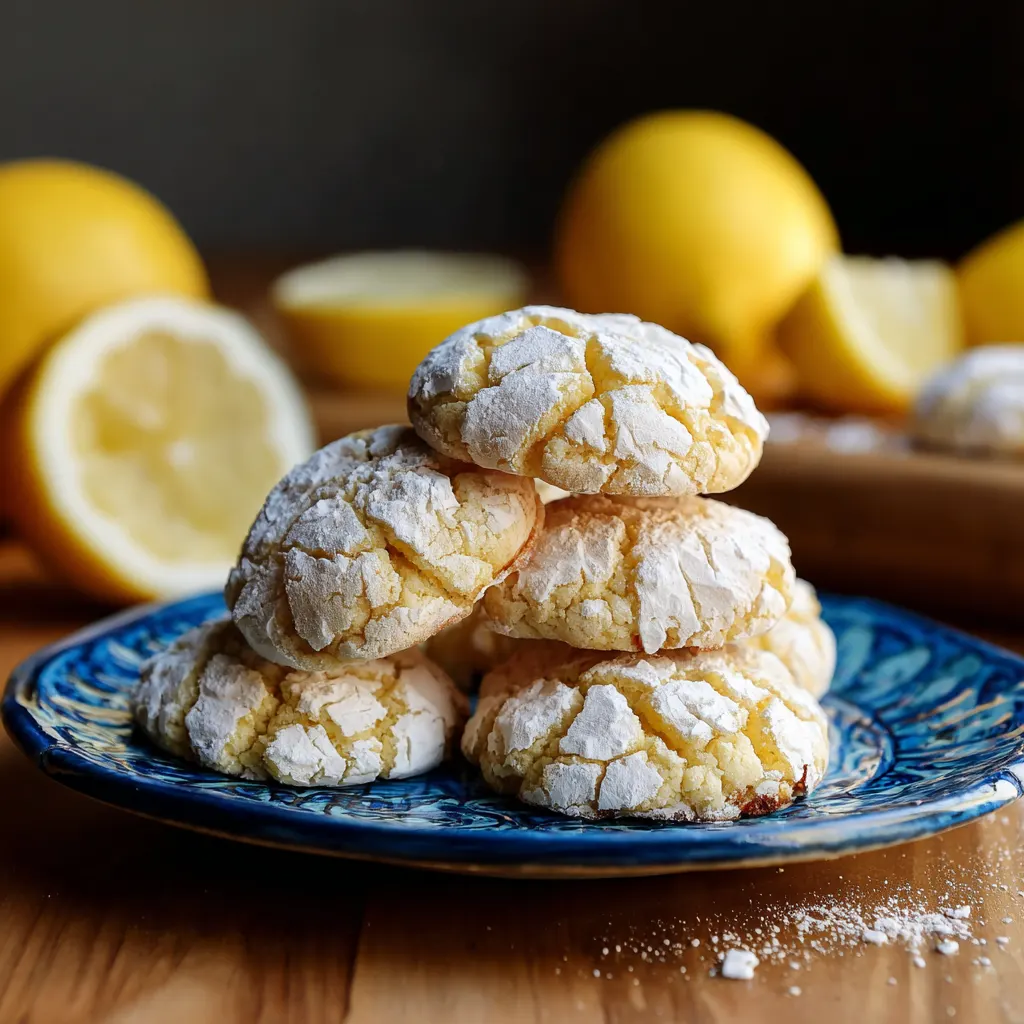
The lemon crinkle cookie is a delightful contradiction—a soft, chewy cookie with a vibrant, tangy core, encapsulated by a sweet, powdered sugar coating that fractures into its signature “crinkles” during baking. They offer a burst of sunshine in every bite, making them a refreshing alternative to traditional heavy desserts. Achieving that perfect balance of intense lemon flavor and a dramatic, snow-dusted crack is a baker’s pursuit, and it all comes down to mastering two simple techniques: infusing the zest and double-coating the dough.
Ingredients
For the Cookies:
-
2 cups (250g) all-purpose flour
-
1 teaspoon baking powder
-
1/2 teaspoon baking soda
-
1/4 teaspoon salt
-
1 cup (200g) granulated sugar
-
Zest of 2 to 3 large lemons (approximately 1 tablespoon)
-
1/4 cup (55g) unsalted butter, melted and cooled
-
1/4 cup (60ml) neutral oil (vegetable or canola)
-
1 large egg, at room temperature
-
2 tablespoons fresh lemon juice
-
1 teaspoon pure vanilla extract
-
1/2 teaspoon lemon extract (optional, for intense flavor)
For the Coating:
-
1/3 cup (65g) granulated sugar (for the first roll)
-
1 cup (115g) confectioners’ sugar (powdered sugar), sifted (for the second roll)
Step-by-Step Instructions
1. Maximize the Zest Flavor
In a large mixing bowl, combine the 1 cup of granulated sugar and the fresh lemon zest. Use your fingertips to rub the zest into the sugar for about one minute. This essential technique releases the oils from the zest, infusing the sugar with potent citrus flavor. The sugar will feel slightly moist and intensely aromatic.
2. Create the Wet Base
To the zested sugar, add the melted and cooled butter, neutral oil, egg, lemon juice, and both vanilla and lemon extracts (if using). Whisk until the mixture is smooth and well combined. Ensure the butter is cool, not hot, to avoid scrambling the egg.
3. Mix the Dry Ingredients
In a separate medium bowl, whisk together the flour, baking powder, baking soda, and salt. This ensures the leavening agents are evenly distributed.
4. Combine and Chill the Dough
Gradually add the dry mixture to the wet mixture, stirring with a rubber spatula until just combined. Avoid overmixing, as this can activate the gluten and result in a tough, dense cookie. The dough will be very soft and slightly sticky. Cover the bowl with plastic wrap and refrigerate for at least 1 hour, or preferably 2 to 4 hours, until the dough is firm and easy to handle.
5. Prepare the Double Coating
Preheat your oven to 350°F (175°C). Line two baking sheets with parchment paper or silicone mats. Place the 1/3 cup of granulated sugar in one shallow bowl and the 1 cup of sifted confectioners’ sugar in a second shallow bowl.
6. Roll and Coat the Dough
Scoop the chilled dough into 1-inch to 1.5-inch balls (about 1.5 tablespoons each).
-
First Roll: Roll each dough ball thoroughly in the plain granulated sugar. This layer prevents the powdered sugar from being absorbed by the soft dough.
-
Second Roll: Immediately transfer the sugar-coated ball to the bowl of confectioners’ sugar. Roll gently, ensuring the ball is completely covered with a very thick, visible white layer. Do not pat or smooth the powdered sugar; the thicker the coating, the more dramatic the crinkle effect will be.
Place the coated dough balls on the prepared baking sheets, spacing them about two inches apart.
7. Bake and Cool
Bake for 10 to 12 minutes, rotating the baking sheets halfway through. The cookies are done when the edges are set and lightly golden, and the centers are puffed up and covered in visible cracks, but the middle still looks slightly soft.
Allow the cookies to cool completely on the baking sheet for 5 minutes before transferring them to a wire rack. This critical step allows them to finish setting and prevents them from falling apart.
The Science of the Zest and the Crinkle
The signature characteristics of a lemon crinkle cookie—its intense flavor profile and delicate, fractured appearance—rely on specific baking science. Understanding these mechanisms ensures success every time.
Unleashing the Zest: Flavor Amplification
For a truly “zesty” cookie, you must utilize the essential oils contained within the lemon zest. The zest-to-sugar rubbing method, often called the “zest rub” or “oleo saccharum shortcut,” is the most effective way to maximize flavor without increasing the dough’s liquid content.
When you rub the bright yellow zest into the granulated sugar, the sharp sugar granules rupture the tiny cells that hold the volatile lemon oils. These oils are immediately absorbed by the sugar, creating a powerfully scented, flavored sugar base. This technique delivers a brighter, more natural lemon taste than relying solely on extracts or juice, which can sometimes be muted or acidic. Always use fresh lemon zest and ensure you only scrape off the yellow part, avoiding the bitter white pith (albedo) beneath.
Achieving the Perfect Crinkle: The Double Sugar Coat
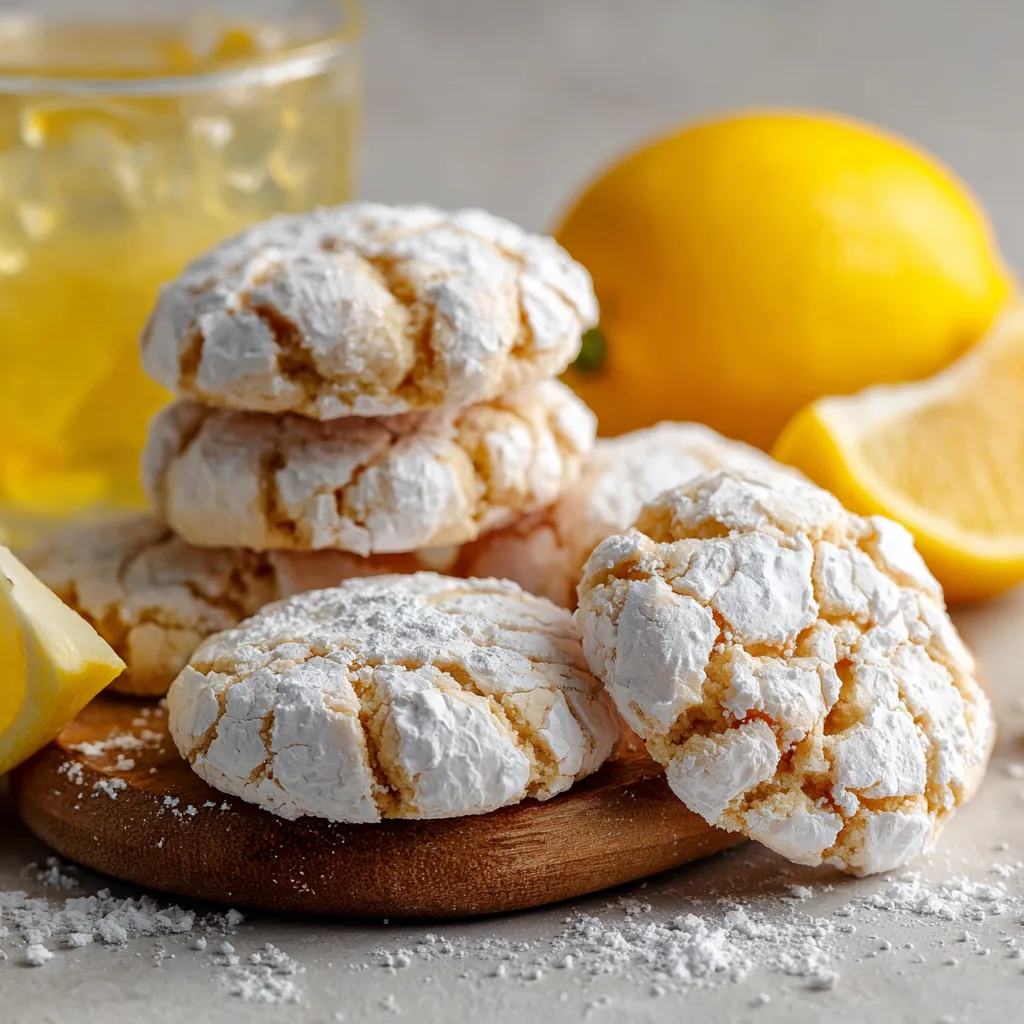
The crinkle effect is a physical reaction: the cookie dough, stabilized by chilling and surrounded by a heat-sensitive sugar coating, expands rapidly in the hot oven. As the cookie interior puffs up, the rigid outer layer of powdered sugar cracks and splits, creating the characteristic texture.
The key step cited by professional bakers is the double coating—first in granulated sugar, then in confectioners’ sugar. Soft, wet dough will quickly absorb powdered sugar, making it disappear into the surface before the cookie even bakes. Rolling in granulated sugar first creates a barrier layer. This prevents immediate absorption, allowing the thick layer of confectioners’ sugar to remain intact on the surface long enough to fracture during the baking process, yielding a high-contrast, beautiful crackle.
Troubleshooting and Texture Control
Crinkle cookies are generally easy to make, but a few common issues can derail the finished product. Knowing how to adjust your technique ensures your cookies are soft, chewy, and perfectly shaped.
Why Did My Cookies Spread Too Much?
Excessive spreading is typically caused by too much moisture, fat, or a dough that wasn’t chilled sufficiently.
-
Chilling is Mandatory: Chilling the dough solidifies the fat (butter and oil), allowing the cookies to hold their shape longer in the oven before spreading. If your dough is too soft or sticky to roll, chill it longer—up to 24 hours is fine.
-
Fat Content: Recipes using a combination of melted butter and oil tend to produce softer, chewier results than those using only solid butter. However, ensure the melted butter is cooled; warm fat will dissolve the sugar and make the dough greasy.
-
Correct Measurements: Be precise with liquid ingredients, especially lemon juice. Too much juice will make the dough sticky and wet, requiring additional flour and leading to a tougher cookie. Aim for 2 tablespoons of fresh juice maximum for a standard batch.
Why Did My Crinkles Disappear or Turn Clear?
If the cookies emerge from the oven without defined white cracks, it means the powdered sugar was absorbed by the dough.
-
Use the Double Coat: Always employ the two-stage rolling method (granulated sugar, then confectioners’ sugar) for maximum contrast.
-
Coat Heavily: Don’t be shy with the confectioners’ sugar. The dough balls should look like snowballs, completely obscured by a thick, white layer.
-
Bake Immediately: Once the dough balls are coated, place them directly into the preheated oven. If they sit on the counter for too long, the sugar coating may begin to absorb moisture from the dough.
Creative Variations and Ideal Pairings
While the classic lemon flavor is irresistible, the versatility of the crinkle cookie dough allows for exciting variations, perfect for seasonal adjustments or pairing with specific beverages.
Citrus Substitutions
The zest rub method works beautifully with other citrus fruits, allowing you to easily shift the flavor profile:
-
Lime Crinkles: Substitute lime zest and juice for the lemon. These cookies offer a sharper, less sweet profile, often enhanced by adding a pinch of citric acid to the dough.
-
Orange Crinkles: Use orange zest and juice. This creates a milder, sweeter cookie. For an elevated twist, pair orange crinkles with a teaspoon of finely chopped candied ginger mixed into the dough.
-
Grapefruit Crinkles: Use pink grapefruit zest and juice for a subtly bitter, sophisticated cookie.
Flavor Boosters and Mix-Ins
To build complexity, consider adding texture or secondary flavors to the base recipe:
-
Extract Amplification: Use a combination of fresh zest/juice and pure lemon extract to achieve a “super lemon” flavor that cuts through the sweetness of the sugar coating.
-
White Chocolate: Fold 1/2 cup of high-quality white chocolate chips or chopped baking bar into the dough before chilling. The richness of the chocolate pairs beautifully with the tangy lemon.
-
Spiced Citrus: Add 1/4 teaspoon of ground cardamom or nutmeg to the dry ingredients for a warm, fragrant complexity that works especially well during cooler months.
Serving and Pairing Suggestions
Lemon crinkle cookies are traditionally refreshing, making them ideal partners for light beverages:
-
Coffee and Tea: Pair them with a bright, robust black tea (like Earl Grey) or a light, medium-roast coffee.
-
Dessert Wines: A glass of Moscato d’Asti or a light, slightly bubbly Prosecco complements the cookie’s acidity and sweetness without overpowering it.
-
Seasonal Drinks: During summer, serve them alongside iced green tea, homemade lemonade, or a fruit-infused sparkling water.
Prepare-Ahead Strategies and Optimal Storage
Lemon crinkle cookies are excellent candidates for make-ahead baking, ensuring you always have a batch ready for unexpected guests or a quick dessert craving.
Dough Chilling and Freezing
The dough requires chilling, making it inherently ready for preparation in advance.
-
Refrigerated Dough: The prepared dough can be covered and stored in the refrigerator for up to 3 days. When ready to bake, scoop, roll, and bake as directed. If the dough is rock hard, let it sit at room temperature for 10-15 minutes until it’s scoopable.
-
Freezing Dough Balls: For long-term storage, scoop the dough into balls before coating and place them on a parchment-lined tray to freeze completely (about 1-2 hours). Once frozen, transfer the balls to a freezer-safe zip-top bag or airtight container. Frozen dough will last for up to 3 months. When ready to bake, there’s no need to thaw; simply roll the frozen balls in the sugar coatings and add 1-2 minutes to the baking time.
Storage of Baked Cookies
Baked lemon crinkle cookies maintain their freshness and texture well if stored properly.
-
Room Temperature: Store cooled cookies in an airtight container at room temperature for up to 5 days. Layer them gently, using parchment paper between layers if stacking multiple rows, to prevent the powdered sugar from rubbing off.
-
Freezing Baked Cookies: If freezing the finished product, allow them to cool completely. Place them in a freezer-safe container with wax or parchment paper between layers. Baked cookies can be frozen for up to 2 months. Thaw them overnight in the refrigerator or for a few hours at room temperature, then dust lightly with fresh confectioners’ sugar if the original coating looks faded.
By paying close attention to the simple yet impactful techniques—the zest rub and the double coat—you elevate a standard cookie into a zesty, visually stunning masterpiece. These sunny, soft delights are proof that the most refreshing flavors can be found in the simplest of homemade treats.