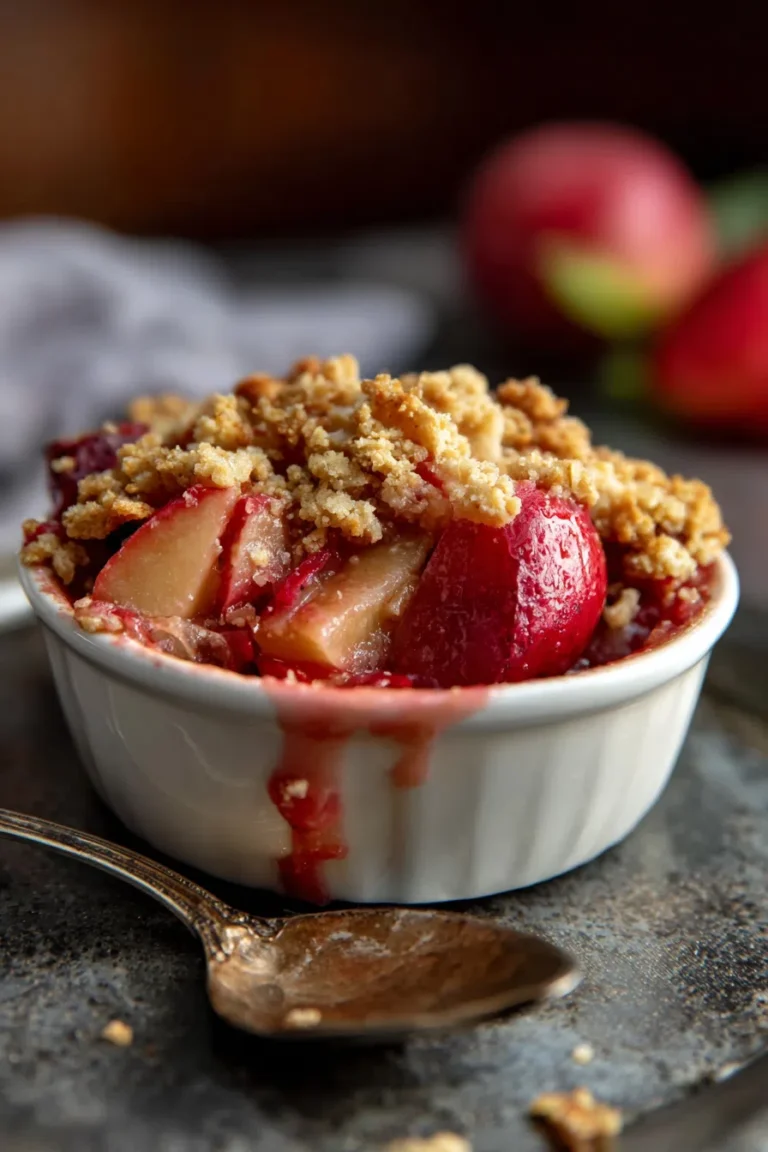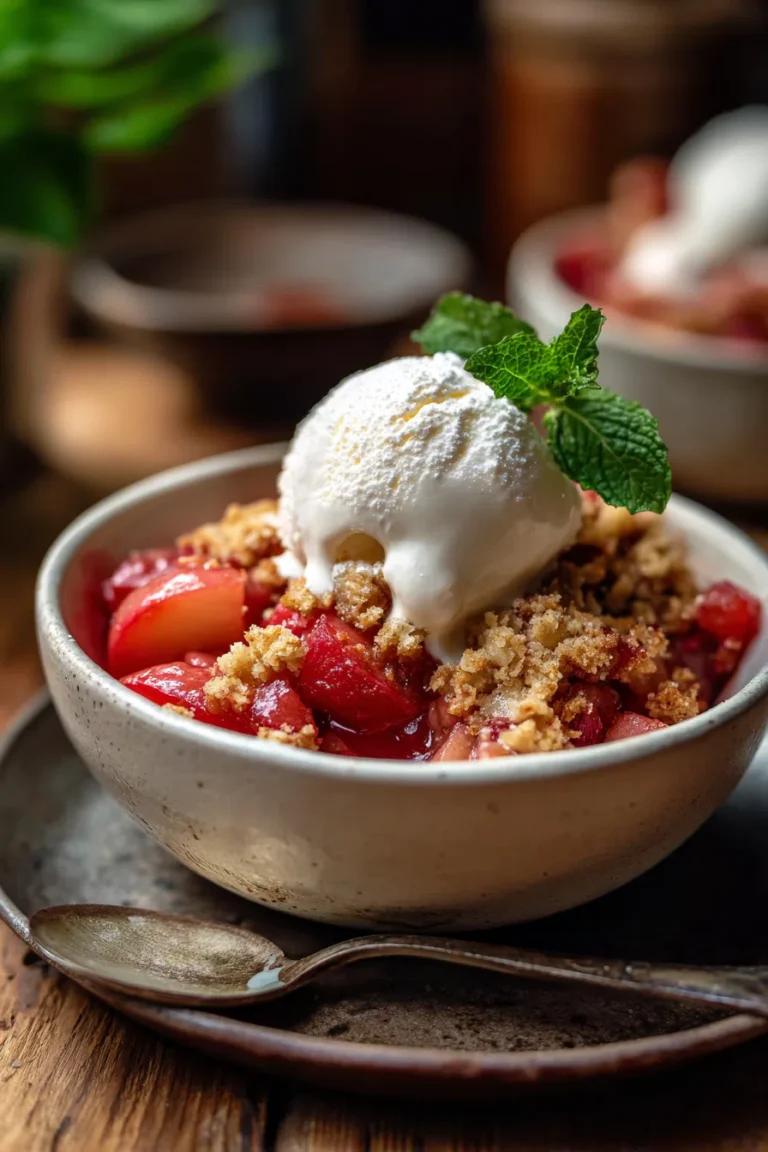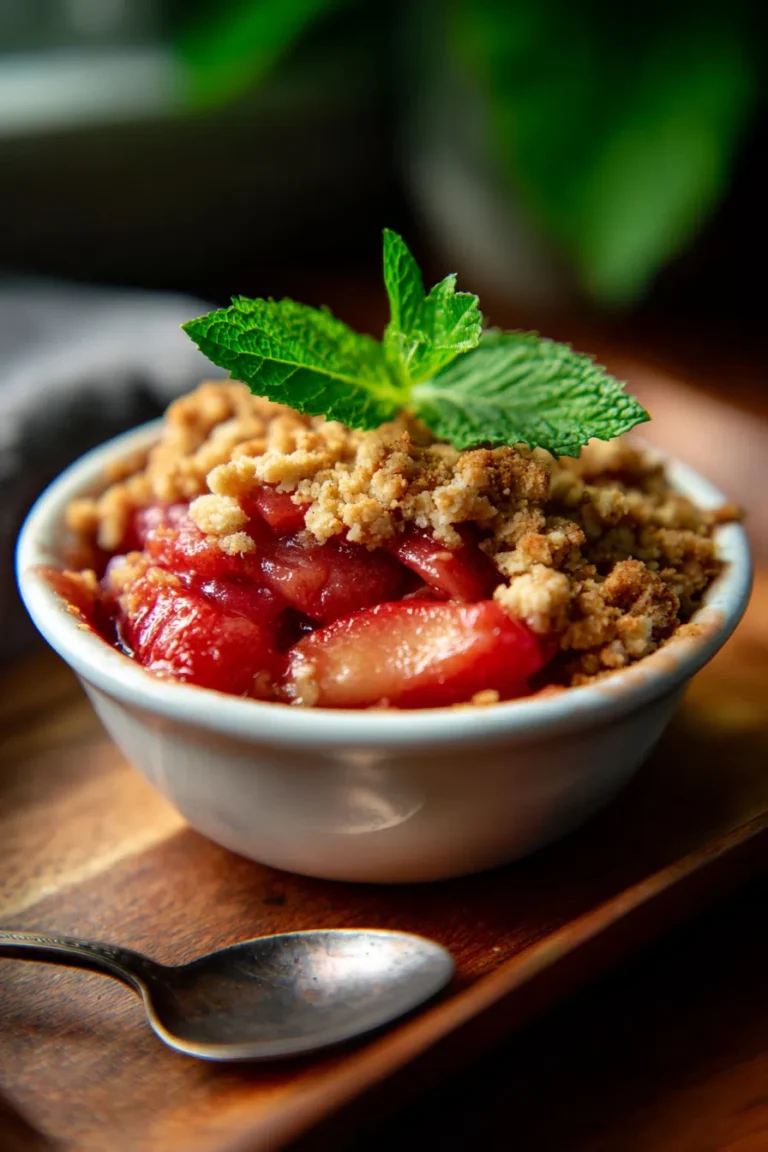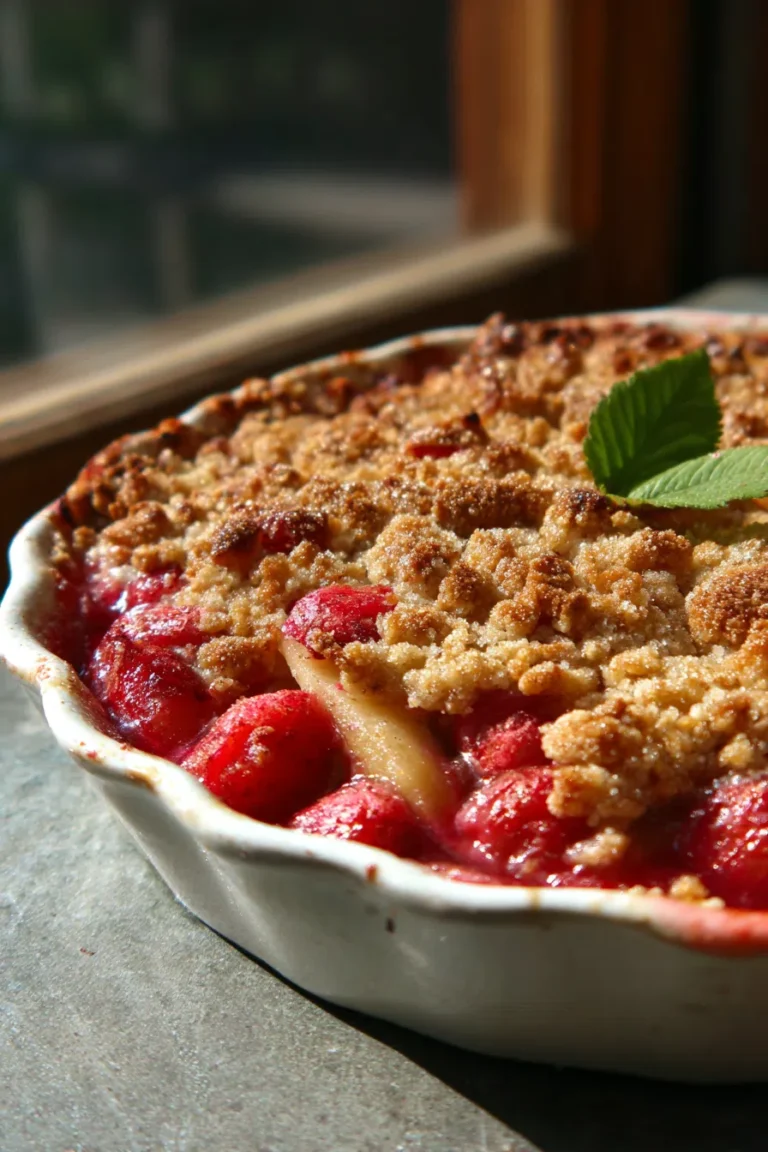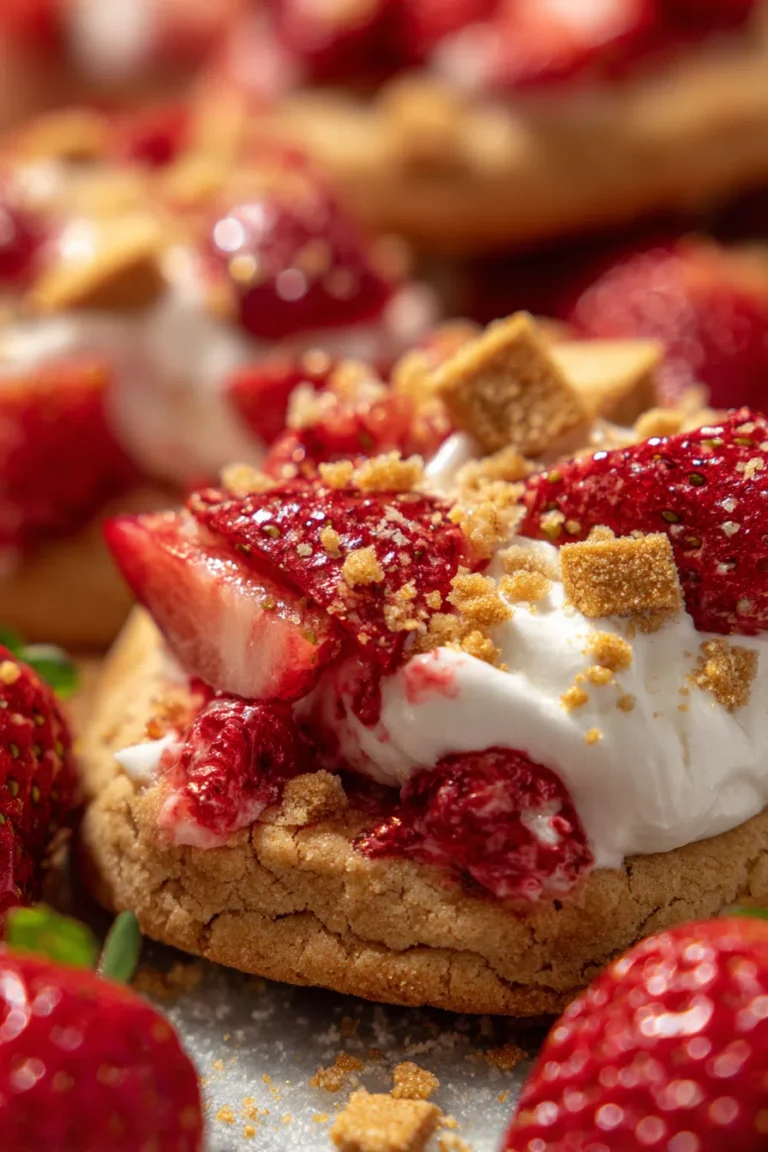
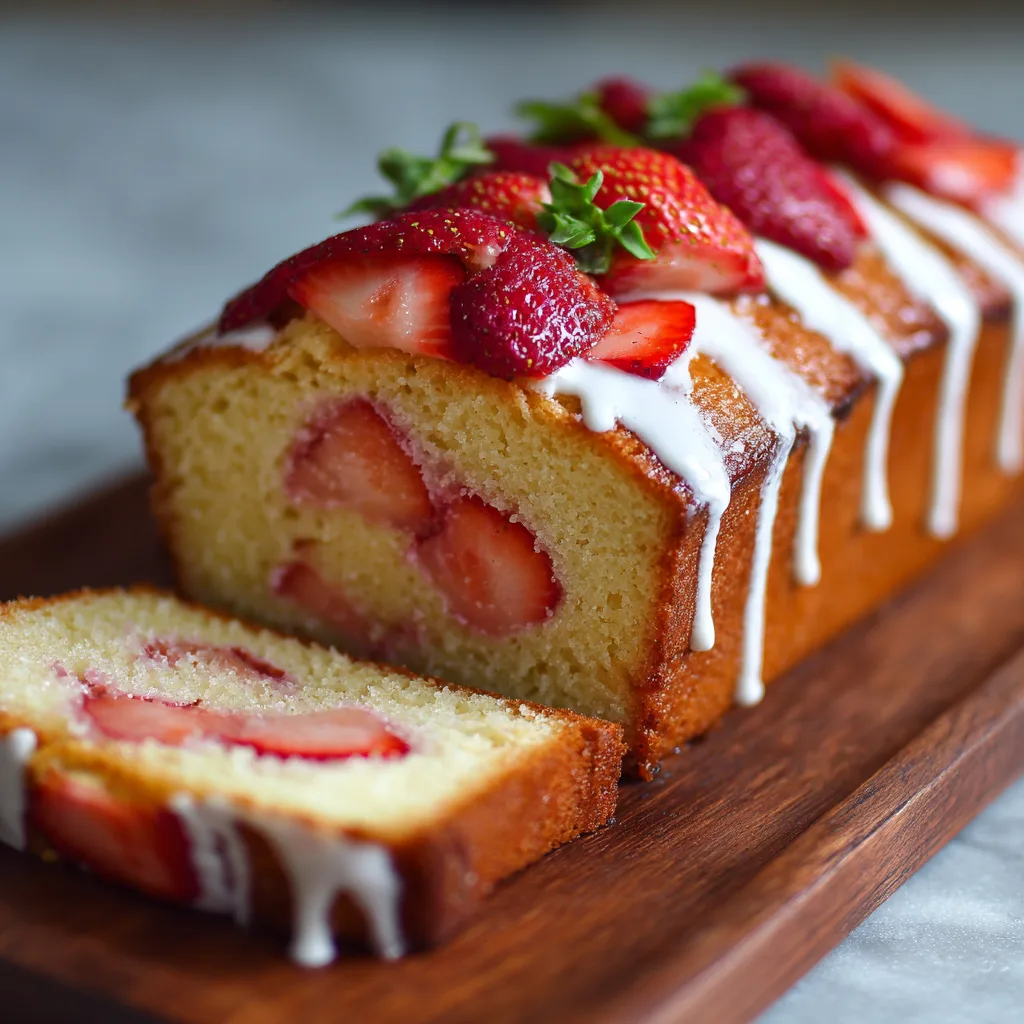
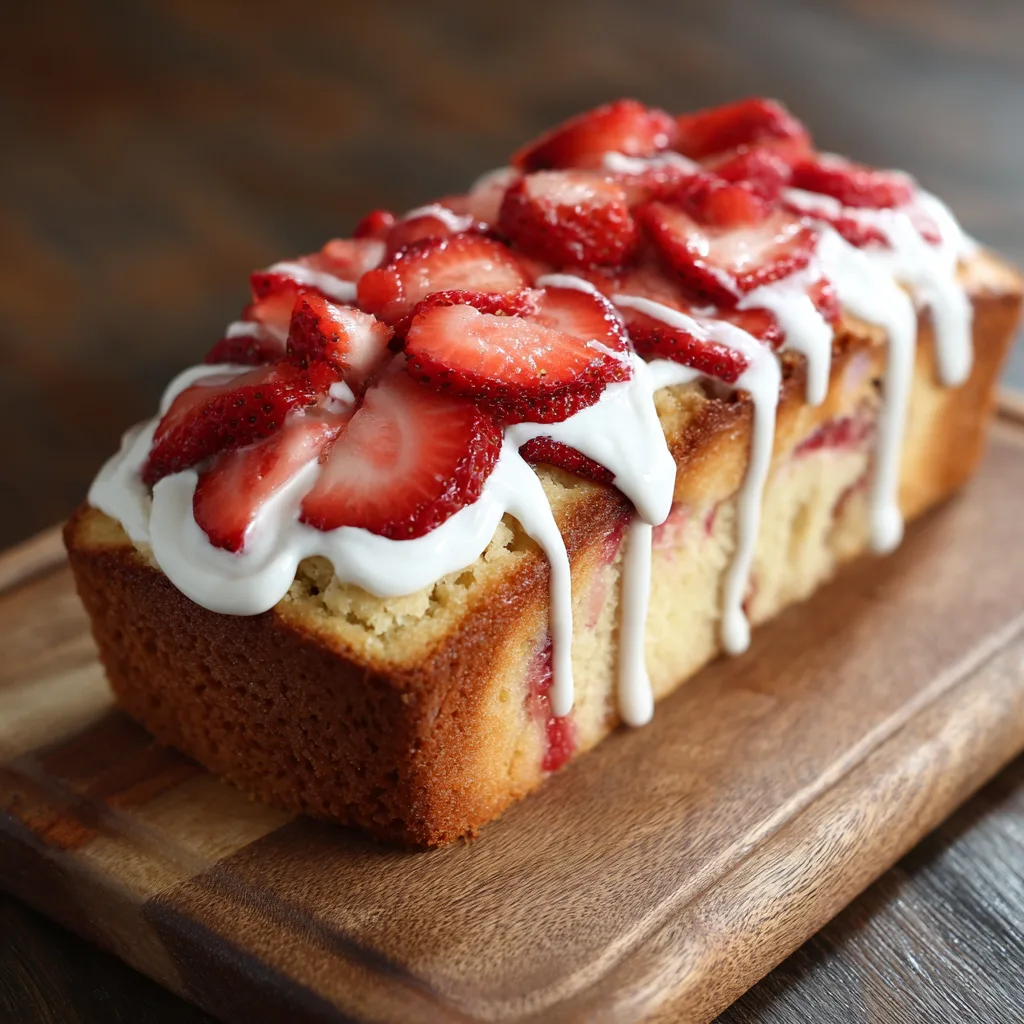
The concept of a “Strawberry Shortcake Bread” is the marriage of two beloved comfort foods: the flaky, buttery sweetness of classic shortcake and the moist, tender crumb of a perfect quick bread loaf. Far beyond simple strawberry bread, this hybrid dessert captures the essence of the quintessential summer treat—sweet, juicy strawberries and rich, creamy vanilla—and delivers it in a sliceable, everyday format. It eliminates the need for individual shortcakes, making the flavor profile accessible for breakfast, brunch, or a casual dessert, all while filling your kitchen with an irresistible aroma of fresh-baked sweetness.
Ingredients for Strawberry Shortcake Quick Bread
For the Bread:
-
2 cups All-Purpose Flour (plus 2 tablespoons for coating strawberries)
-
¾ cup Granulated Sugar
-
1 teaspoon Baking Powder
-
½ teaspoon Salt
-
½ cup Whole Milk (room temperature)
-
½ cup Unsalted Butter, melted and slightly cooled
-
2 large Eggs (room temperature)
-
1 teaspoon Pure Vanilla Extract
-
1 ½ cups Fresh Strawberries, hulled and diced (about ¼-inch pieces)
For the Strawberry Lemon Glaze (Optional):
-
1 cup Powdered Sugar (Confectioners’ sugar)
-
2 tablespoons Milk or Half-and-Half
-
1 teaspoon Fresh Lemon Juice (or 1 teaspoon strawberry puree for a pink glaze)
Instructions for Preparation and Baking
1. Prepare the Ingredients and Oven: Preheat your oven to 350°F (175°C). Grease and lightly flour a 9×5-inch loaf pan, or line it completely with parchment paper, leaving an overhang on the sides for easy removal. In a small bowl, toss the diced strawberries with the reserved 2 tablespoons of flour until they are lightly coated. This essential step helps prevent the fruit from sinking to the bottom during baking.
2. Mix the Dry Ingredients: In a large mixing bowl, whisk together the 2 cups of flour, granulated sugar, baking powder, and salt. Ensure the ingredients are thoroughly combined and there are no large lumps of leavening agent.
3. Combine the Wet Ingredients: In a separate medium bowl, whisk together the melted butter, whole milk, eggs, and vanilla extract until well combined and smooth.
4. Create the Batter: Pour the wet mixture into the dry ingredients. Using a rubber spatula or a wooden spoon, gently fold the ingredients together until they are just combined. Stop mixing the moment you no longer see streaks of dry flour. Overmixing will develop the gluten and result in a tough, dense bread.
5. Fold in the Strawberries: Gently fold the flour-coated strawberries into the batter until they are evenly distributed.
6. Bake the Loaf: Pour the batter into the prepared loaf pan and spread it evenly. Bake for 55 to 65 minutes. The bread is done when a long wooden skewer or toothpick inserted into the center comes out clean or with a few moist crumbs attached, but not wet batter. If the top begins to brown too quickly, lightly tent the pan with aluminum foil for the last 15 minutes of baking.
7. Cool and Glaze: Allow the bread to cool in the pan for 10 to 15 minutes before carefully lifting it out using the parchment paper overhang. Transfer the loaf to a wire rack to cool completely. While cooling, prepare the glaze by whisking the powdered sugar, milk, and lemon juice until smooth. Drizzle the glaze generously over the cooled loaf and allow it to set before slicing and serving.
The Art of the Hybrid: Understanding the Shortcake Bread Concept
Strawberry Shortcake Bread is classified as a quick bread, meaning it relies on chemical leaveners like baking powder or soda instead of yeast, resulting in a fast preparation time and a cake-like, tender texture. The culinary innovation here lies in taking the flavor profile of classic shortcake—which is historically a biscuit or scone—and translating it into a versatile loaf.
Traditional shortcake relies on cold, cut-in butter to create flaky layers. By contrast, the shortcake bread uses melted butter or oil, which ensures a dense, moist, and even crumb structure, typical of pound cake or banana bread.
Key Flavor Components:
-
Sweetness and Vanilla: The bread base is elevated with a generous amount of sugar and pure vanilla extract, providing the sweet, fragrant foundation reminiscent of the dessert crust.
-
Dairy Richness: Using whole milk, and sometimes buttermilk or yogurt (as seen in variations), adds the necessary fat and tang to create a tender crumb that melts in the mouth, echoing the richness of the whipped cream component of the dessert.
-
The Strawberry Star: Incorporating diced fresh strawberries ensures that the defining fruit flavor is present in every slice, transforming a simple loaf into a dessert masterpiece.
This format provides the familiarity of a comforting baked good while delivering the vibrant, satisfying taste of spring and summer in a convenient, easy-to-store format.
Mastering the Bake: Pro Tips for a Perfect Loaf
Achieving a bakery-quality Strawberry Shortcake Bread requires attention to detail. These professional tips ensure your loaf is moist, perfectly risen, and beautifully studded with fruit.
1. The Flour-Coating Trick
The most common issue with fruit-laden quick breads is the dreaded “sinking effect,” where all the strawberries collect at the bottom of the pan. The solution, utilized by seasoned bakers, is simple: toss the diced strawberries in 1 to 2 tablespoons of all-purpose flour before adding them to the batter. The flour absorbs excess moisture released by the fruit and creates friction, allowing the pieces to cling to the surrounding batter, ensuring even distribution throughout the loaf.
2. Temperature Matters
For the best texture and rise, ensure that your milk, eggs, and, if applicable, yogurt are all at room temperature. Room-temperature ingredients emulsify (mix) more effectively with the melted fat. This creates a smoother, more uniform batter, which in turn leads to a higher, lighter rise and a consistently tender crumb, avoiding pockets of dense, unmixed material.
3. Avoid Overmixing at All Costs
Quick breads rely on a gentle touch. Once the wet ingredients are added to the dry, stir only until the flour streaks disappear. A few small lumps are preferable to a perfectly smooth batter. Overmixing develops the gluten in the flour, resulting in a tough, chewy, and dry loaf, which defeats the goal of a tender, shortcake-like texture.
4. Monitor Doneness
Baking times can vary significantly depending on your oven and the moisture content of your fresh strawberries. To ensure a perfectly baked loaf that is not raw in the center or dry on the edges:
-
Begin checking the bread at the 50-minute mark.
-
Insert a long skewer or wooden pick deep into the center. If it comes out with wet batter, continue baking.
-
The bread is done when the tester comes out clean or with only a few sticky, moist crumbs attached.
Beyond the Glaze: Creative Variations and Customization
While the classic recipe is divine, the versatility of Strawberry Shortcake Bread allows for endless personalization. Customizing your add-ins and glazes can tailor the bread to any season or preference.
Flavor Boosters and Add-Ins
-
Citrus Zest: Add 1 tablespoon of fresh lemon or orange zest to the dry ingredients. Citrus perfectly complements the strawberries, brightening the overall flavor.
-
Nutty Crunch: Fold in ½ cup of toasted, chopped pecans, walnuts, or almonds along with the strawberries for an added layer of texture and depth.
-
Chocolate Indulgence: For a richer, more decadent loaf, incorporate ½ cup of white chocolate chips or mini semi-sweet chocolate chips into the batter.
-
Spice Notes: A hint of cinnamon (½ teaspoon) or a pinch of nutmeg can add warmth and complexity, especially when serving the bread during cooler months.
-
Dried Fruit Swap: If fresh strawberries are out of season, use freeze-dried strawberries, which intensify the fruit flavor without adding excess moisture, or use rehydrated dried strawberries.
Texture and Topping Variations
-
Buttermilk Tang: Replace the whole milk with buttermilk (and slightly increase the baking soda if not already included) to achieve a noticeably more tender and slightly tangy crumb, mirroring the complexity of classic shortcake biscuits.
-
Cream Cheese Swirl: Before baking, swirl a sweetened cream cheese mixture (4 oz softened cream cheese, ¼ cup sugar, 1 egg yolk) through the top of the batter to add a rich, decadent ribbon throughout the loaf.
-
Crumb Topping (Streusel): For an authentic shortcake crumb texture, mix together 1/3 cup flour, 1/3 cup sugar, and 3 tablespoons cold butter (cut in until crumbly). Sprinkle this mixture over the top of the batter before baking.
Serving Suggestions and Preservation
The Strawberry Shortcake Bread is versatile enough to star as a dessert, complement a breakfast spread, or serve as a satisfying afternoon treat.
Perfect Pairings
The way you serve this loaf determines whether it’s breakfast bread or true dessert:
-
Dessert Service: Slice the bread while it is still slightly warm. Top each slice with a dollop of fresh, lightly sweetened whipped cream or a scoop of vanilla bean ice cream. Drizzle the plate with fresh strawberry syrup or a light reduction of balsamic vinegar, which intensifies the strawberry flavor.
-
Brunch or Breakfast: Serve slices lightly toasted, accompanied by a simple spread of soft cream cheese or fresh butter. Pair it with a cup of hot coffee, black tea, or an iced matcha latte.
-
Next-Level French Toast: Day-old or slightly stale slices of the loaf make an extraordinary base for French toast. The vanilla and fruit flavor bake into a custardy center, and the crust caramelizes beautifully.
Storage and Freshness
Strawberry Shortcake Quick Bread is best enjoyed within 2 to 3 days of baking.
-
Countertop Storage: Store the cooled, un-sliced loaf (or cooled slices) in an airtight container at room temperature. If the bread is glazed, it may become slightly sticky, so a piece of wax paper placed over the glaze can help.
-
Refrigeration (if glazed/frosted): If you apply a cream cheese frosting or a heavy glaze, refrigerating the bread is recommended. Bring refrigerated slices back to room temperature or gently warm them before serving for the best texture.
-
Freezing: This bread freezes exceptionally well. Allow the loaf to cool completely, then wrap it tightly in plastic wrap, followed by a layer of aluminum foil. Label and freeze for up to three months. To thaw, unwrap and let it sit at room temperature for several hours.