The Ultimate Guide to Strawberry Shortcake Bread: A Summer Dessert Elevated
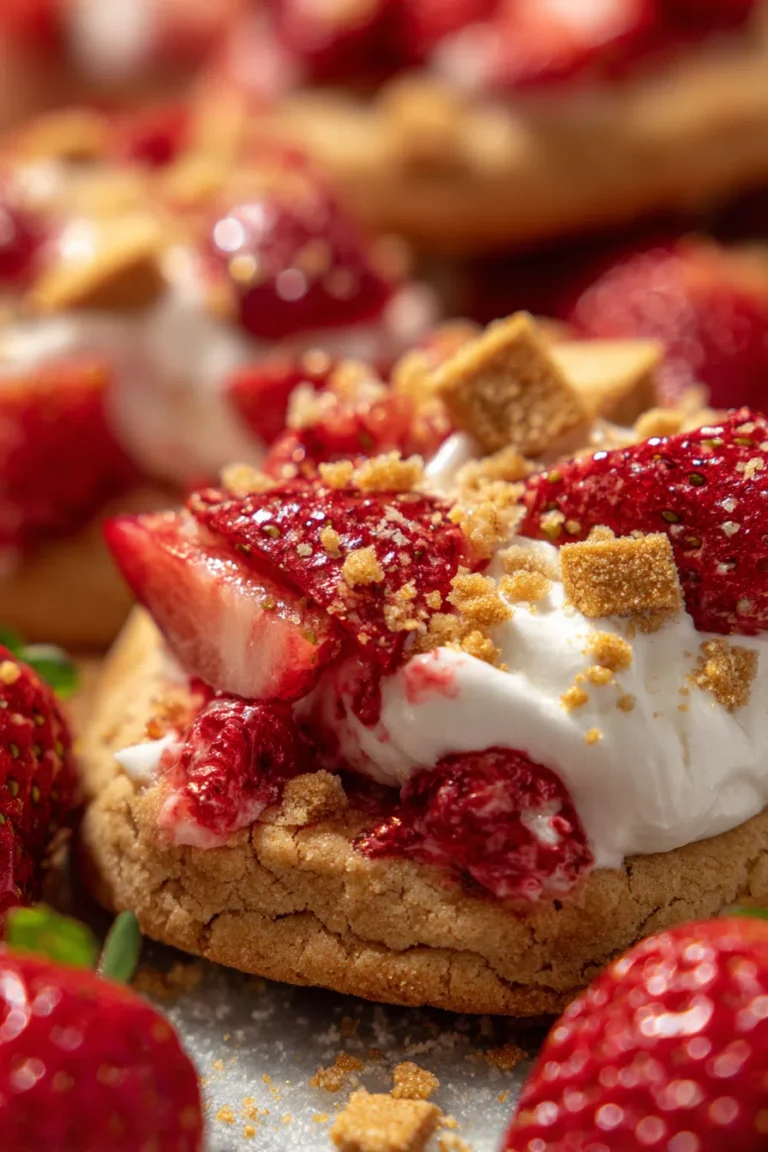
Strawberry Shortcake Bread represents the perfect evolution of the beloved classic dessert. It takes the key elements—the tender, slightly sweet shortcake base, the burst of fresh strawberries, and the creamy vanilla finish—and transforms them into a simple, sliceable quick bread. This culinary fusion creates a dessert loaf that is intensely flavored, wonderfully moist, and perfectly suited for breakfast, afternoon tea, or a lighter summer dessert. Unlike the traditional biscuit shortcake, this loaf is baked as a single, cohesive unit, ensuring every bite delivers the iconic balance of buttery crumb and juicy fruit.
Ingredients
For the Strawberry Shortcake Loaf:
-
12 tablespoons (1 ½ sticks) unsalted butter, softened
-
1 cup granulated sugar
-
2 large eggs, room temperature
-
1 tablespoon pure vanilla extract
-
1/2 cup buttermilk, sour cream, or plain Greek yogurt, room temperature
-
2 cups all-purpose flour, plus 1 tablespoon for coating
-
1 teaspoon baking powder
-
1/2 teaspoon baking soda
-
1/2 teaspoon salt
-
1 ½ cups fresh strawberries, diced into small pieces
For the Strawberry-Lemon Glaze (Optional):
-
1 cup powdered sugar, sifted
-
1/2 teaspoon lemon zest
-
2 tablespoons fresh strawberry puree (mash 2-3 strawberries)
-
1-2 tablespoons milk or lemon juice, to reach desired drizzling consistency
Step-by-Step Instructions
-
Preparation and Pre-Treating: Preheat your oven to 350°F (175°C). Grease and flour a 9×5-inch loaf pan, or line it with parchment paper, leaving an overhang for easy removal. In a small bowl, gently toss the diced strawberries with 1 tablespoon of flour. This crucial step helps coat the berries, preventing them from sinking to the bottom of the batter during baking.
-
Creaming the Fats and Sugars: In a large mixing bowl or the bowl of a stand mixer, cream together the softened butter and granulated sugar until the mixture is light and fluffy (about 3-4 minutes). This creaming process incorporates air, which is essential for a tender, cake-like crumb.
-
Adding Wet Ingredients: Beat in the eggs one at a time, mixing well after each addition. Scrape down the sides of the bowl. Add the vanilla extract and the buttermilk, sour cream, or yogurt. Mix until just combined. The mixture may look slightly curdled at this stage, which is normal.
-
Combining Dry Ingredients: In a separate medium bowl, whisk together the remaining 2 cups of flour, baking powder, baking soda, and salt.
-
Finishing the Batter: Gradually add the dry ingredients to the wet ingredients, mixing on low speed or by hand until just combined. Stop mixing as soon as you no longer see streaks of dry flour. Overmixing develops gluten, resulting in a tough, dry bread.
-
Folding in Strawberries: Using a rubber spatula, gently fold in the flour-tossed strawberries. Be deliberate and fold only until the strawberries are evenly distributed.
-
Bake: Pour the batter into the prepared loaf pan, spreading the top evenly. Bake for 55–70 minutes, or until a toothpick inserted into the center comes out clean. If the top begins to brown too quickly, loosely tent the loaf with aluminum foil for the remaining bake time.
-
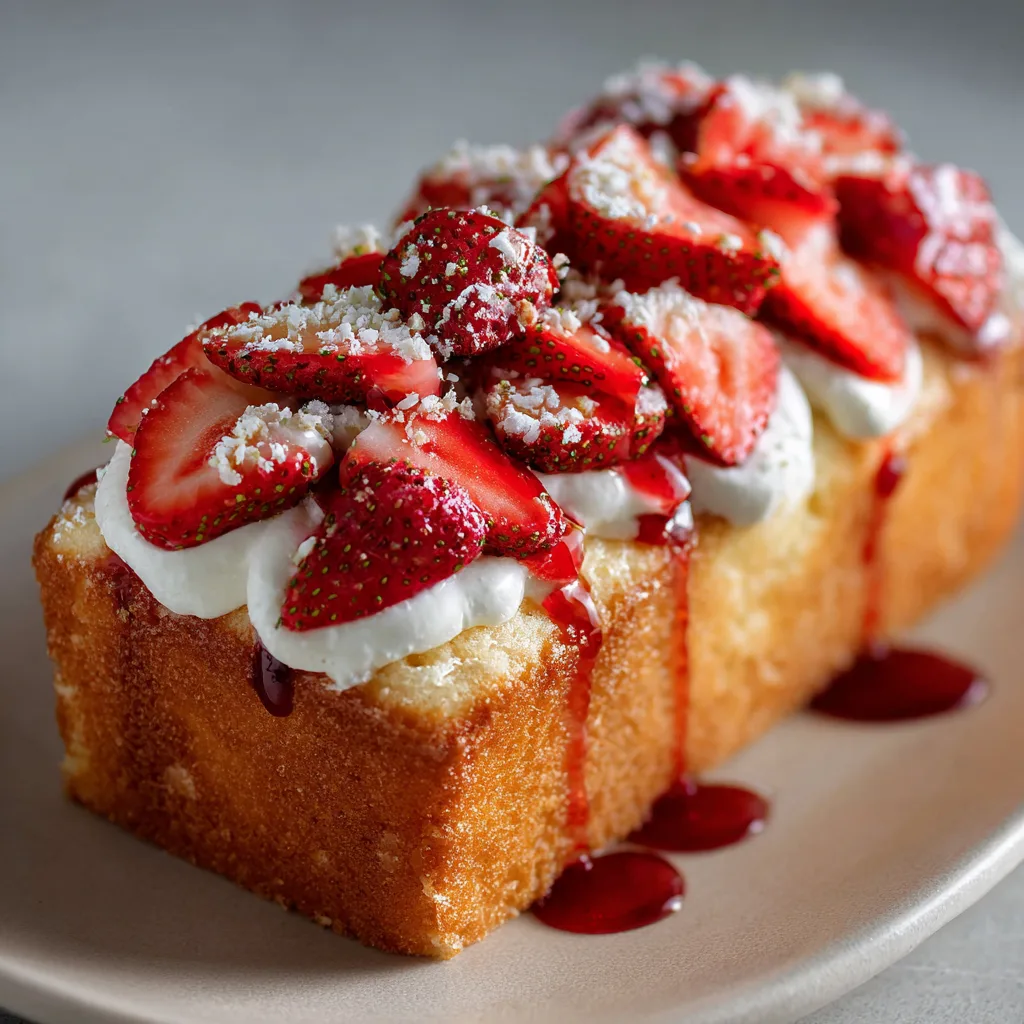
Cooling and Glazing: Allow the loaf to cool in the pan for 15 minutes before carefully lifting it out onto a wire rack to cool completely. Once the loaf is fully cool, prepare the glaze by whisking all glaze ingredients together until smooth. Drizzle the glaze generously over the top of the bread and allow it to set before slicing.
Mastering the Foundation: Achieving the Signature Shortcake Texture
The defining characteristic of true strawberry shortcake is the crumb—a tender, flaky, and slightly dense base that absorbs the fruit juices and cream without becoming soggy. Replicating this in a loaf requires specific techniques that differentiate it from a standard pound cake or fruit bread.
The Role of Dairy and Fat
The choice of liquid and fat dictates the final texture. Traditional shortcakes rely on cold, cubed butter cut into the flour, similar to making biscuits (or scones). This method creates pockets of fat that steam and expand, leading to a delicate, flaky texture. For a quick bread loaf, however, most optimized recipes pivot to a creaming method using softened butter (as detailed in the recipe above), which yields a softer, more cake-like crumb, often referred to as “shortcake pound cake” or “shortcake loaf.”
To maintain the necessary moisture and the signature tangy hint of the classic dessert, acidic dairy is indispensable. Buttermilk, sour cream, or full-fat Greek yogurt serve two critical functions:
-
Activation: They activate the baking soda in the recipe, providing superior lift and a tenderizing effect.
-
Moisture Retention: Their high fat and acid content contributes to a bread that stays moist for days and has a melt-in-your-mouth quality, preventing the dry texture sometimes found in overly butter-heavy cakes.
Preventing a Dense Loaf
The most common pitfall in quick bread baking is overmixing. Because the “shortcake” element is meant to be tender, minimizing gluten development is key. After combining the wet and dry ingredients, mix only until the flour disappears. For an even more tender outcome, some bakers opt to use cake flour (using slightly more than all-purpose flour) or replace a portion of the all-purpose flour with it, though standard all-purpose works well when handled gently. A quick bread should be mixed with a spatula or on the lowest speed of a mixer, not vigorously beaten.
Optimizing Strawberry Inclusion for Maximum Flavor
Strawberries are the star of this bread, and how they are treated before baking is crucial to both the flavor profile and the structural integrity of the loaf. Handling the fruit correctly ensures a vibrant flavor without introducing excessive moisture that could lead to a gummy texture.
The Problem of Sinking and Sogginess
Strawberries contain a high water content, and as they bake, this water is released. This extra liquid can weigh down the fruit, causing it to sink to the bottom of the pan, and also make the surrounding crumb dense and wet. The essential solution, as highlighted in the recipe, is tossing the diced fruit in a small amount of flour before folding it into the batter. This flour absorbs some of the initial surface moisture, creating a protective barrier that helps keep the fruit suspended and prevents water from immediately leaching into the batter.
Maximizing Berry Flavor
While fresh, peak-season strawberries are ideal, optimizing their flavor can elevate the loaf:
-
Maceration (Optional Pre-treatment): For a deeper, jammy flavor, toss the diced strawberries with a tablespoon of sugar and let them sit for 15-20 minutes. While this increases moisture, it concentrates the strawberry flavor significantly. If using this method, ensure you drain the berries well before tossing them in flour and adding them to the batter.
-
Freeze-Dried Powder: For an intense, year-round strawberry flavor boost, pulverize a few tablespoons of freeze-dried strawberries into a powder and whisk it directly into the dry ingredients. This adds concentrated flavor and color without introducing any liquid.
-
Aromatic Enhancers: The flavor of strawberries pairs beautifully with brightness. Adding lemon zest directly to the sugar during the creaming stage, or a small amount of almond extract in addition to the vanilla, will lift the fruit notes and add complexity.
For bakers looking for a more intense fruit swirl, some recipes recommend pureeing a portion of the strawberries and incorporating the puree into the wet ingredients, creating a subtly pink, smooth batter, while using diced berries for texture.
The Essential Finish: Glazes, Streusels, and Serving
While the baked loaf is delicious on its own, the finishing touches are what complete the transformation into “Strawberry Shortcake Bread,” adding the sweetness and creaminess of the classic dessert.
The Sweet Toppings
-
The Classic Glaze: A simple powdered sugar glaze, often thinned with milk or cream, provides a sweet, soft crust. The variation in the core recipe—a Strawberry-Lemon Glaze—is an excellent optimization. By using a small amount of fresh strawberry puree and lemon juice in the glaze, you reinforce both the fruit and the brightness of the loaf, creating a beautiful pink drizzle that looks as good as it tastes.
-
The Rustic Streusel/Crumble: For a crunchier texture reminiscent of some shortbread biscuits, top the bread with a simple streusel (butter, flour, sugar) before baking. A more inventive variation involves sprinkling crushed vanilla cookies or a mix of vanilla pudding powder and strawberry gelatin powder (the “shortcake crumbs” method) over the batter for a fun, novelty crust.
-
Coarse Sugar: For a simple, glittering finish, sprinkle the top of the unbaked batter with coarse sanding sugar or Demerara sugar. This adds a delightful textural crunch and a golden finish to the crust.
The Creamy Element
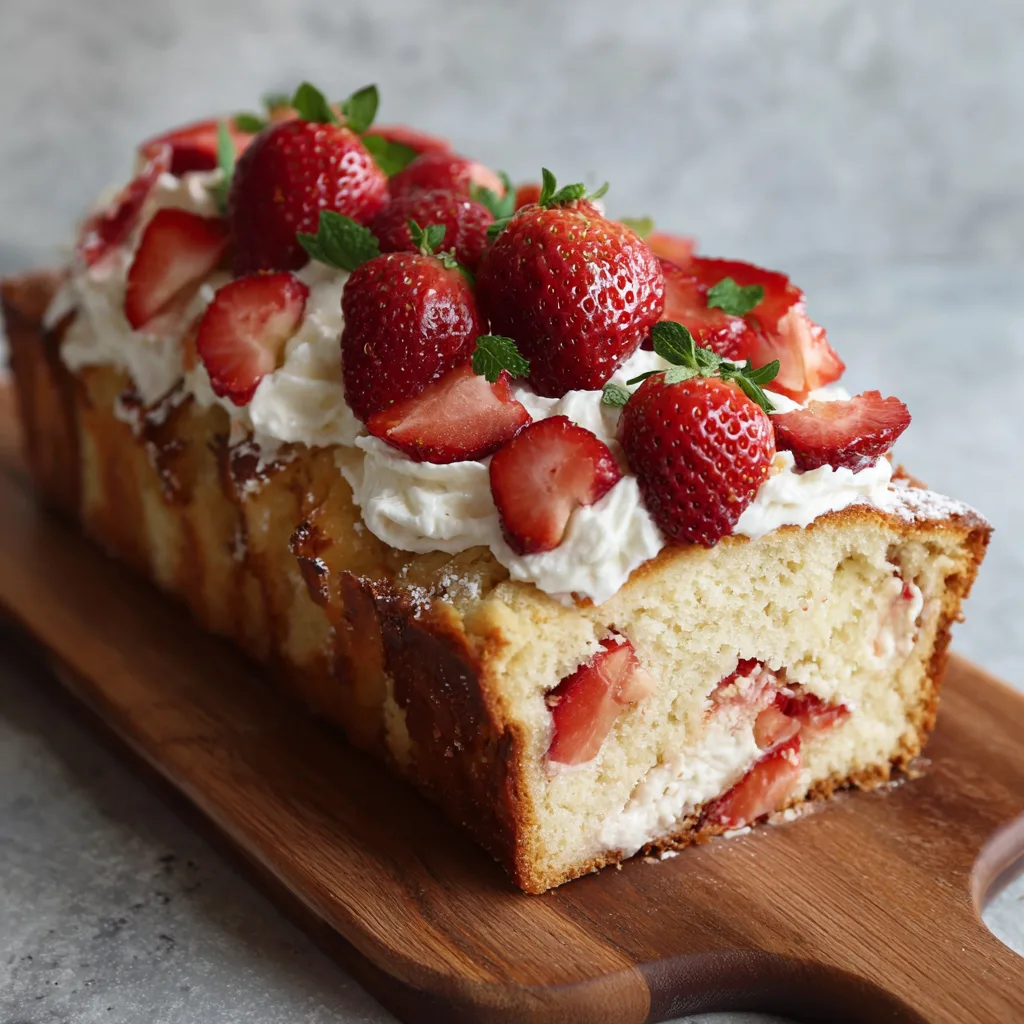
True shortcake is defined by cream, and while it’s impractical to layer whipped cream inside a quick bread, it is essential for serving. The loaf is best served with a dollop of fresh, lightly sweetened whipped cream (or a stabilized whipped cream made with a touch of cream cheese or mascarpone for structure). For an afternoon treat, a light brush of butter before serving is sufficient, but for a dessert presentation, the fresh cream and extra sliced, macerated strawberries are non-negotiable.
Troubleshooting and Creative Recipe Variations
Baking quick breads can be straightforward, but understanding a few common issues and exploring variations can perfect your recipe and keep it exciting.
Common Baking Issues Solved
| Issue | Cause | Solution |
| Strawberries Sink | Fruit too heavy/wet; batter too thin. | Toss strawberries in 1 Tbsp of flour before folding into batter. Ensure batter is not over-mixed (which thins it). |
| Dry or Tough Bread | Overmixing the flour; overbaking. | Mix until just combined. Use room-temperature ingredients. Check for doneness 10 minutes early; remove as soon as a toothpick comes out clean. |
| Loaf Peaks or Domes Excessively | Oven too hot; batter too stiff. | If using a very dark pan, reduce temperature by 25°F. Create a shallow slit down the center of the batter before baking to encourage an even rise along the cut. |
Expanding the Flavor Palette
Once you’ve mastered the core Strawberry Shortcake Bread recipe, it’s easy to adapt the loaf with creative fillings and flavors:
-
Lemon-Poppy Seed: Add 1 tablespoon of poppy seeds and the zest of one whole lemon to the batter. This enhances the bright, summery notes of the strawberries.
-
Cream Cheese Swirl: Before baking, swirl a simple mixture of 4 oz softened cream cheese, 1/4 cup sugar, and 1 egg yolk into the center of the loaf. This adds an indulgent, tangy moisture layer that is often seen in classic pound cakes, elevating the “shortcake” experience.
-
The Mixed Berry Shortcake: Substitute up to half of the strawberries with other complementary berries, such as raspberries or blueberries. These also benefit from the flour-tossing technique.
-
Spiced Shortcake: Introduce a hint of warmth by adding 1/4 teaspoon of ground nutmeg or cardamom to the dry ingredients, providing depth that pairs surprisingly well with the sweet strawberries and cream.
Strawberry Shortcake Bread offers the delightful nostalgia of a favorite seasonal dessert in a convenient, sliceable form. By utilizing simple quick-bread techniques and optimizing how the fruit is integrated, this recipe delivers a tender crumb, vibrant berry flavor, and the perfect canvas for a finishing touch of sweet glaze or fresh whipped cream