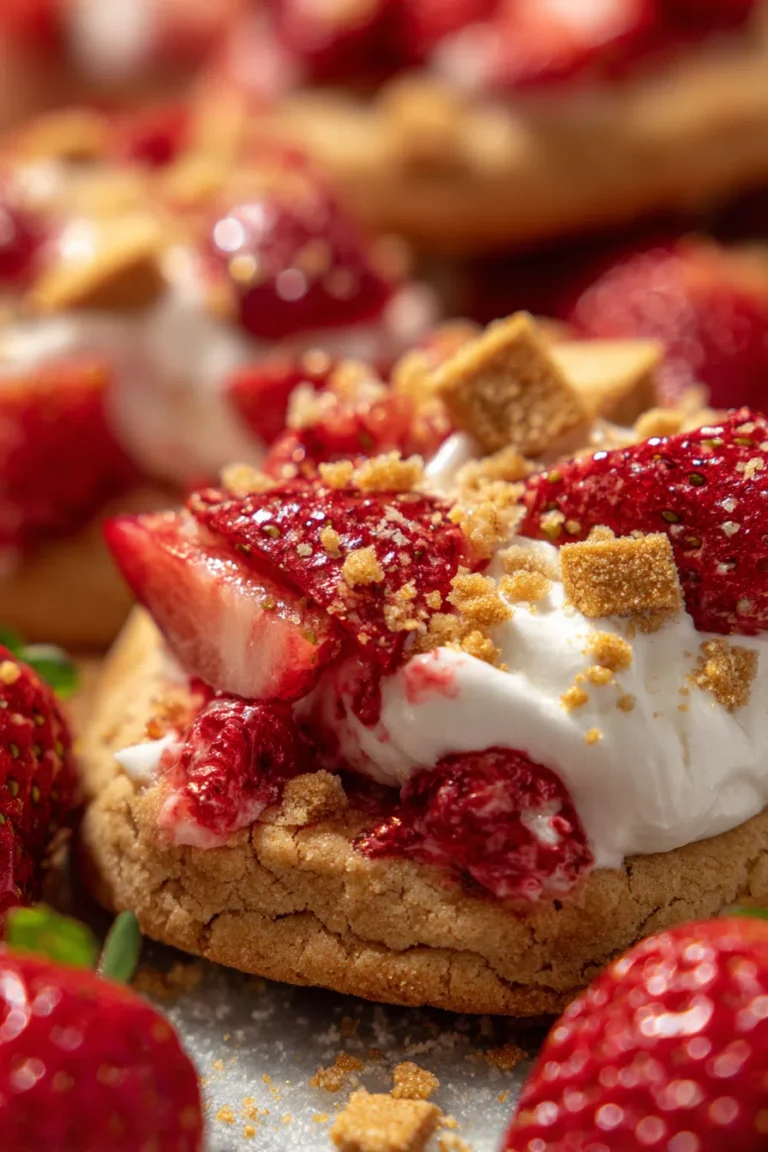
Strawberry Lemonade Cookies
Ingredients
-
- 1 cup (2 sticks) unsalted butter, softened
- 1 ½ cups granulated sugar
- 2 large eggs
- 1 teaspoon vanilla extract
- 2 tablespoons fresh lemon juice
- 1 tablespoon lemon zest (from 2 medium lemons)
- 3 cups all-purpose flour
- 1 teaspoon baking powder
- ½ teaspoon baking soda
- ¼ teaspoon salt
- ½ cup freeze-dried strawberries, crushed into small pieces
- For the Glaze:
2 cups powdered sugar, sifted
¼ cup fresh lemon juice
1 tablespoon milk or cream (optional, for consistency)
A few drops of pink or red food coloring (optional)
Step-by-Step
1. Preheat your oven to 375°F (190°C). Line baking sheets with parchment paper.
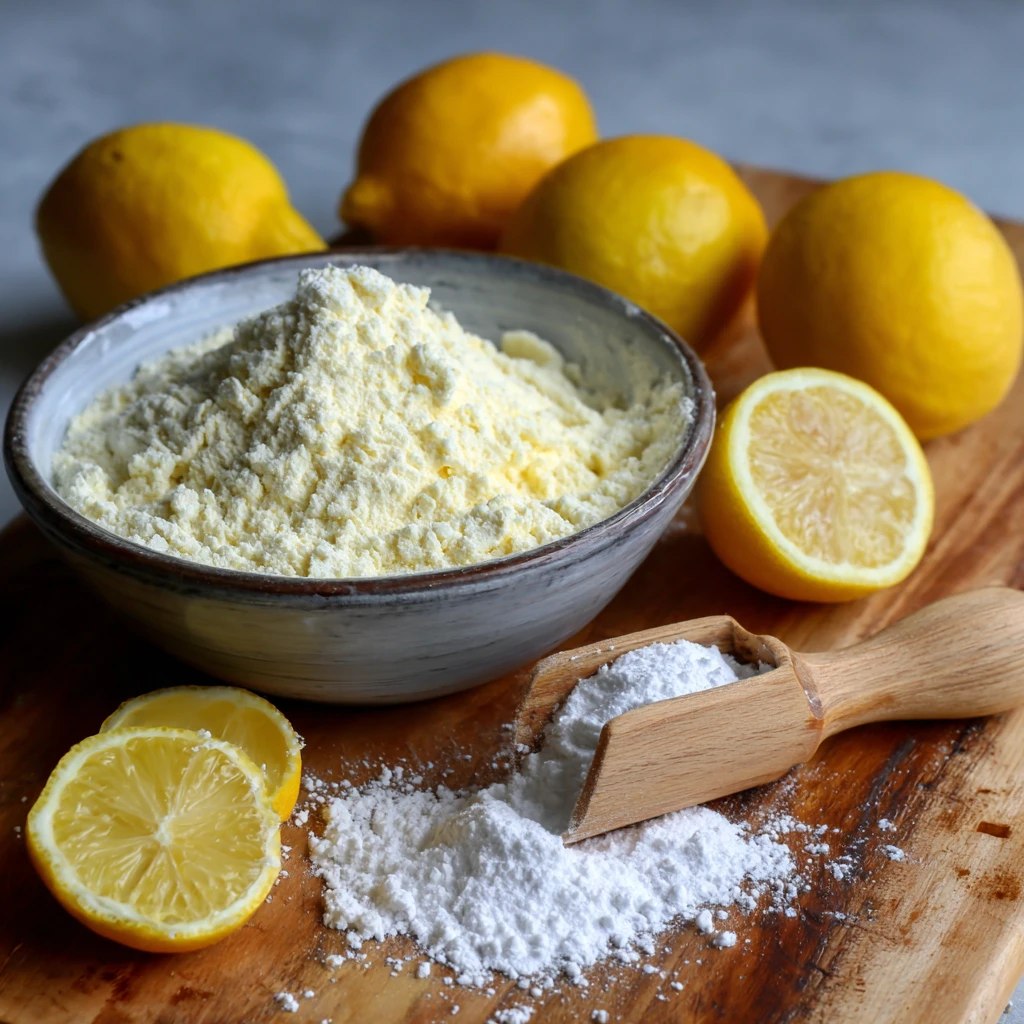
2. In a large bowl, cream together the softened butter and granulated sugar until light and fluffy. This typically takes 2-3 minutes with an electric mixer.
3. Beat in the eggs one at a time, ensuring each is fully incorporated before adding the next. Stir in the vanilla extract, fresh lemon juice, and lemon zest.
4. In a separate medium bowl, whisk together the flour, baking powder, baking soda, and salt. Make sure these dry ingredients are thoroughly combined.
5. Gradually add the dry ingredient mixture to the wet ingredients, mixing on low speed until just combined. Be careful not to overmix the dough.
6. Gently fold in the crushed freeze-dried strawberries. Distribute them evenly throughout the cookie dough.
7. Scoop the dough using a 1 ½ to 2-tablespoon cookie scoop or by rolling into balls. Place them about 2 inches apart on the prepared baking sheets.
8. Bake for 9-11 minutes, or until the edges are lightly golden and the centers are just set. The cookies may still look slightly soft in the middle.
9. Remove the cookies from the oven and let them cool on the baking sheets for 5 minutes. Afterward, transfer them to a wire rack to cool completely.
10. While the cookies cool, prepare the glaze. In a small bowl, whisk together the sifted powdered sugar and fresh lemon juice until smooth. Add milk or cream if a thinner consistency is desired. Stir in food coloring if using.
11. Once the cookies are entirely cool, drizzle or spread the lemon glaze over each cookie. Allow the glaze to set for about 15-20 minutes before serving or storing.
The Allure of Strawberry Lemonade Cookies: A Flavor Symphony
Strawberry Lemonade Cookies capture the essence of a beloved summer beverage in a delightful baked treat. They offer a unique blend of sweet and tart, making them irresistibly refreshing. These cookies are more than just a dessert; they are an experience, evoking memories of sunny days and relaxed gatherings.
Their vibrant flavors make them stand out on any dessert table. The delicate balance of fruity sweetness and zesty brightness creates a truly harmonious taste profile. Each bite delivers a burst of nostalgic summer goodness.
The popularity of these cookies stems from their ability to combine two universally loved flavors. Strawberries provide a natural sweetness and subtle fruitiness, while lemon introduces a tangy, uplifting counterpoint. This combination is consistently appealing across all age groups.
These cookies are perfect for various occasions, from casual backyard barbecues to elegant garden parties. Their bright colors and inviting aroma instantly uplift the atmosphere. They serve as a wonderful conversation starter and a memorable dessert option.
Beyond their taste, the concept of transforming a drink into a cookie is inherently charming. It sparks curiosity and excitement, making people eager to try this innovative dessert. The fusion of flavors makes these cookies a modern classic.
A Perfect Blend of Sweet and Tart
The magic of Strawberry Lemonade Cookies lies in their exquisite balance of flavors. The natural sweetness of ripe strawberries meets the lively tang of fresh lemon. This creates a refreshing contrast that excites the palate.
Using both lemon zest and fresh lemon juice ensures a robust and authentic citrus profile. The zest provides aromatic oils, while the juice delivers the characteristic sourness. This dual approach maximizes the lemon impact without overwhelming the cookie.
Freeze-dried strawberries are a secret weapon in this recipe. They offer an intense strawberry flavor concentration and a beautiful pink hue, without adding excess moisture that can alter cookie texture. Their crunchy texture before baking also adds to the overall experience.
The sweetness from the cookie dough and the powdered sugar glaze perfectly complements the tart notes. It prevents the cookies from being overly sour, ensuring a pleasant and balanced treat. This careful orchestration of ingredients is key to their success.
Each bite is a journey through layers of flavor, starting with the sweet cookie base, moving to the fruity strawberry, and finishing with a zesty lemon kick. This complex yet harmonious profile keeps people coming back for more.
The Visual Appeal and Textural Delight
Beyond their incredible taste, Strawberry Lemonade Cookies are a feast for the eyes. Their soft pink hue, often enhanced by the natural color of strawberries or a hint of food coloring, is incredibly inviting. The bright white or pale yellow lemon glaze provides a beautiful contrast.
Often, a sprinkle of extra lemon zest or crushed freeze-dried strawberries on top adds an artisanal touch. This garnishing not only enhances the visual appeal but also signals the flavors contained within. They look as good as they taste.
The texture of these cookies is equally important for their appeal. They are typically soft and chewy in the center, with slightly crisp edges. This combination offers a satisfying mouthfeel that distinguishes them from other cookies.
The inclusion of small pieces of freeze-dried strawberries within the dough can also add a subtle textural variation. These pieces soften during baking but retain a slight chewiness. This contributes to the overall delightful experience.
Achieving the perfect texture requires precise baking times and temperatures. Overbaking can lead to dry, crumbly cookies, while underbaking can result in a doughy center. A soft, yielding crumb is the hallmark of a well-made Strawberry Lemonade Cookie.
From Refreshing Drink to Delectable Treat
The transformation of a popular beverage into a cookie is a culinary marvel. It takes the familiar and reinterprets it in an exciting new form. This creativity is a significant part of their widespread appeal.
Lemonade, a classic symbol of summer refreshment, provides the inspiration for the cookie’s bright and tangy character. The addition of strawberries elevates this classic, giving it a sweet, fruity twist. This concept translates perfectly to a baked good.
By capturing the essence of the drink, these cookies offer a sense of nostalgia and comfort. They evoke memories of childhood summers, picnics, and outdoor festivities. This emotional connection enhances their appeal.
The challenge of converting liquid flavors into solid form is skillfully met with ingredients like lemon zest, juice, and freeze-dried fruits. These components deliver concentrated flavor without compromising the cookie’s structure. It’s a testament to clever recipe development.
This innovative approach makes Strawberry Lemonade Cookies a conversation starter and a unique addition to any recipe repertoire. They demonstrate how classic flavor combinations can be reinvented in delicious and surprising ways. It’s a testament to culinary ingenuity.
Crafting Your Perfect Batch: Tips for Success
Making Strawberry Lemonade Cookies is a rewarding experience, especially when they turn out perfectly. Attention to detail and understanding key baking principles can elevate your homemade batch. Follow these tips for consistently delicious results every time.
From selecting the right ingredients to mastering the baking process, each step contributes to the final outcome. Even small adjustments can make a significant difference in flavor and texture. Embrace these insights to become a cookie-making expert.
Baking is both an art and a science, and these cookies are no exception. Understanding the role of each ingredient and technique allows for greater control and better results. It ensures your efforts yield a truly delightful treat.
Don’t be afraid to experiment slightly once you’ve mastered the basic recipe. Personalizing your cookies can add an extra layer of enjoyment to the baking process. These tips will provide a solid foundation for your culinary adventures.
Ultimately, the goal is to create cookies that are not only delicious but also visually appealing and texturally satisfying. These guidelines will help you achieve that perfect balance. Enjoy the process of baking your best batch yet.
Ingredient Quality Matters
The foundation of any great cookie lies in the quality of its ingredients. For Strawberry Lemonade Cookies, fresh, vibrant components are paramount. High-quality butter, fresh eggs, and premium flour make a noticeable difference.
Always opt for fresh lemons when making these cookies. Bottled lemon juice often lacks the bright, zesty flavor and aromatic oils found in fresh zest and juice. The difference in taste is substantial and worth the effort.
Freeze-dried strawberries are crucial for intense flavor without excess moisture. Ensure they are fully dried and vibrant in color. Avoid using fresh strawberries directly in the dough, as their high water content can lead to a less desirable cookie texture.
Use unsalted butter so you can control the salt content in your recipe. Make sure it’s properly softened, not melted, for optimal creaming with sugar. This creates the airy base for a tender cookie.
Good quality vanilla extract also plays a role in rounding out the flavors. While often subtle, it enhances the overall depth of taste. Investing in fresh, quality ingredients truly elevates the homemade experience.
Mastering the Dough Consistency
Achieving the correct dough consistency is vital for soft, chewy cookies. The right balance prevents cookies from spreading too much or being too dense. It ensures a delightful texture every time.
Do not overmix the dough once the flour is added. Overmixing develops gluten excessively, leading to tough, chewy cookies rather than soft ones. Mix only until the dry ingredients are just incorporated.
Chilling the dough is often a recommended step, although not always strictly necessary depending on the recipe. If your dough feels too soft or sticky, a 30-minute chill can help firm it up. This also prevents excessive spreading during baking.
When adding freeze-dried strawberries, fold them in gently. Overmixing at this stage can break them down too much, turning the dough pink prematurely and potentially compromising texture. A light hand is best.
The dough should be soft but manageable, easy to scoop or roll into balls. If it’s too dry, a tiny bit of milk can be added; if too wet, a tablespoon of flour. Adjustments should be minimal.
Baking for Optimal Texture
Precise baking is key to achieving the desired soft and chewy texture. Oven temperature and bake time significantly influence the final result. Understanding these elements is essential for success.
Preheat your oven thoroughly before placing cookies inside. An accurately preheated oven ensures even baking from the start. Use an oven thermometer to verify your oven’s actual temperature.
Bake cookies until the edges are lightly golden and the centers appear just set but still slightly soft. They will continue to set as they cool on the baking sheet. This internal warmth finishes the cooking process.
Avoid overbaking, as this is the primary cause of dry, hard cookies. It’s better to slightly underbake than to overbake for a chewy center. Watch your cookies carefully, as ovens can vary.
Rotate your baking sheets halfway through baking if your oven bakes unevenly. This helps ensure all cookies receive consistent heat exposure. Consistent heat leads to uniform results across the batch.
The Art of Glazing and Decoration
The glaze not only adds a burst of lemon flavor but also enhances the visual appeal of these cookies. A perfectly glazed cookie is a treat for both the eyes and the palate. Mastering this step completes the cookie.
Ensure cookies are completely cool before applying the glaze. Applying glaze to warm cookies will cause it to melt and absorb, resulting in a sticky mess rather than a smooth coating. Patience is key here.
For a classic look, a simple drizzle of the lemon glaze works beautifully. You can use a spoon or a whisk to create elegant streaks over the cookie surface. Control the thickness for desired effect.
If you prefer a more uniform coating, dip the tops of the cooled cookies directly into the glaze. Allow any excess to drip off before placing them back on the wire rack. This creates a neat, full coverage.
Consider garnishing your glazed cookies for an extra flourish. A sprinkle of fresh lemon zest, a few small pieces of freeze-dried strawberry, or even a tiny fresh mint leaf can elevate their presentation. These small details make a big impact.
Variations and Customizations: Making Them Your Own
While the classic Strawberry Lemonade Cookie recipe is undeniably delicious, there’s ample room for creative customization. Experimenting with ingredients and techniques allows you to tailor these treats to your personal preferences. Make them uniquely yours with these exciting variations.
Exploring different forms of strawberries and lemons can dramatically alter the flavor profile. From subtle changes to bolder additions, each modification offers a new culinary adventure. Don’t be afraid to innovate.
Beyond flavor, you can also adjust the texture or presentation to suit different occasions. Whether you’re aiming for a richer cookie or a more elegant design, the possibilities are vast. Customization makes baking even more enjoyable.
These variations also cater to different dietary needs, ensuring everyone can enjoy a taste of these delightful cookies. Adapting recipes promotes inclusivity and expands your baking repertoire. Embrace the flexibility.
The beauty of baking lies in its creative potential. Use these suggestions as a springboard for your own ideas, allowing your kitchen to become a laboratory of delicious experimentation. The ultimate goal is to create cookies that bring joy.
Exploring Strawberry Forms: Fresh, Freeze-Dried, Puree
The type of strawberry used can significantly impact the cookie’s flavor intensity and texture. While freeze-dried strawberries are ideal for the dough, other forms offer unique advantages for specific applications. Understanding these differences helps in customization.
For a more pronounced strawberry flavor in the dough, consider adding a small amount of strawberry extract alongside the vanilla. This can boost the fruitiness without adding moisture. It’s a powerful flavor enhancer.
If you wish to incorporate fresh strawberries, it’s best to use them in a frosting or as a topping rather than in the cookie dough itself. Fresh berries can make the cookies soggy and affect their spread. A fresh strawberry compote or finely diced fresh strawberries work wonderfully as a garnish.
For a beautiful pink hue and a touch of natural strawberry flavor in the glaze, you can blend a tiny amount of fresh strawberry puree with the powdered sugar and lemon juice. Be mindful that puree adds liquid, so adjust powdered sugar accordingly. This creates a naturally colored and flavored glaze.
Some recipes call for dehydrated strawberries, which offer a chewier texture than freeze-dried ones. These can be finely chopped and folded into the dough for a different mouthfeel. Each form brings its own distinct character to the cookie.
Enhancing Lemon Flavor: Zest, Extract, Curd
Lemon is a star flavor in these cookies, and there are several ways to amplify its bright, tangy notes. Utilizing various lemon components can create a more complex and intense citrus experience. Maximize the zest.
To boost the lemon aroma and flavor, consider rubbing the granulated sugar with the lemon zest before adding other ingredients. This process releases the essential oils from the zest, infusing the sugar with intense citrus. It’s a simple yet effective technique.
Lemon extract can be added to the cookie dough or glaze for an extra punch of citrus. Use sparingly, as extracts are highly concentrated. A quarter to half a teaspoon is usually sufficient to make a noticeable difference.
For a more sophisticated twist, consider adding a dollop of lemon curd as a filling or swirl into the cookie before baking. This introduces a rich, creamy lemon flavor that complements the cookie’s texture beautifully. Lemon curd offers a luxurious touch.
You can also make a double lemon glaze by using lemon juice for both the liquid and a few extra drops of lemon extract. This creates a bold, tangy glaze that lemon lovers will adore. Don’t shy away from extra zest on top.
Beyond the Basic Glaze: Frostings and Fillings
While a simple lemon glaze is classic, expanding into different frostings or even fillings can transform these cookies. These additions allow for richer textures and more complex flavor layers. Get creative with your toppings.
A cream cheese frosting infused with lemon zest and a touch of strawberry puree makes for a decadent topping. Its creamy tanginess pairs wonderfully with the cookie’s base. This adds a velvety texture and a richer mouthfeel.
For a lighter option, a whipped strawberry buttercream frosting can provide a fluffy, sweet contrast. This is especially appealing if you prefer less tartness and more fruitiness. It’s a great choice for birthday cookies.
Consider making “sandwich cookies” by filling two Strawberry Lemonade Cookies with a layer of lemon curd or strawberry jam. This adds an element of surprise and an extra burst of flavor. It also makes for a more substantial treat.
Chocolate pairings can also be explored. A drizzle of white chocolate over the lemon glaze adds a touch of sweetness and visual elegance. White chocolate complements both strawberry and lemon surprisingly well.
Dietary Adaptations: Gluten-Free and Vegan Options
Adapting the Strawberry Lemonade Cookie recipe to accommodate dietary restrictions makes them accessible to everyone. With a few thoughtful substitutions, gluten-free and vegan versions are entirely achievable. Inclusive baking is always a good idea.
For a gluten-free version, substitute all-purpose flour with a 1:1 gluten-free baking flour blend that contains xanthan gum. Ensure the blend is specifically designed for baking. Measure by weight for best results.
Vegan Strawberry Lemonade Cookies can be made by replacing butter with a high-quality vegan butter substitute. For the eggs, use flax eggs (1 tablespoon ground flaxseed meal mixed with 3 tablespoons water per egg, let sit for 5 minutes) or a commercial egg replacer. Ensure your sugar is vegan-friendly (bone-char free).
For the glaze, use plant-based milk (like almond or oat milk) instead of dairy milk. Ensure all other ingredients, such as extracts, are vegan-certified. These simple swaps make a significant difference.
Always double-check all ingredient labels to confirm they meet specific dietary requirements. For example, some food colorings or sprinkles may not be vegan. Being diligent ensures successful adaptations.
The Science Behind the Deliciousness: Baking Fundamentals
Understanding the science behind baking helps achieve consistent and superior results. Every ingredient and step in the Strawberry Lemonade Cookie recipe plays a crucial role. Delving into these fundamentals demystifies the baking process.
From the creaming method to the leavening agents, each element contributes to the cookie’s final texture and flavor. Knowledge of these principles empowers you to troubleshoot and innovate effectively. Baking is applied chemistry.
The interplay between fats, sugars, and flour creates the structure and tenderness we associate with a perfect cookie. Hydration levels and oven temperatures also significantly impact the end product. It’s a complex interaction.
This section aims to shed light on why certain steps are necessary and what happens at a molecular level during baking. Armed with this knowledge, you can approach your cookie making with greater confidence and skill. Enhance your baking prowess.
Ultimately, appreciating the science makes the art of baking even more satisfying. It transforms a simple recipe into a fascinating experiment. Learn to master your kitchen creations.
The Role of Fats and Sugars
Fats, primarily butter, play several critical roles in cookie dough. They contribute to tenderness, flavor, and texture. Butter also helps in creating a desirable spread during baking.
Creaming butter and sugar together incorporates air into the mixture. This aeration is crucial for a light and tender cookie structure. It also creates pockets that expand in the oven.
Sugar not only adds sweetness but also influences spread, browning, and moisture retention. Granulated sugar creates crispier edges, while brown sugar (if used) would lead to a chewier cookie due to its molasses content. Sugar also tenderizes the dough.
The amount of fat and sugar directly impacts the cookie’s spread. More fat and sugar generally lead to flatter, crispier cookies. A balanced ratio is key for a soft, chewy texture.
Fats also carry flavor, allowing the lemon zest and vanilla extract to be distributed evenly throughout the dough. They contribute to the richness and mouthfeel of the finished cookie. The interaction is fundamental.
Leavening Agents: Structure and Lift
Leavening agents are responsible for the cookie’s lift and airy texture. In this recipe, baking powder and baking soda work in concert to achieve the desired rise. Understanding their function is important.
Baking soda requires an acid to activate, and in this recipe, the lemon juice serves that purpose. When activated, it produces carbon dioxide gas, which helps the cookies rise. It also contributes to browning.
Baking powder, on the other hand, is a double-acting leavener. It reacts once when it comes into contact with liquid and again when exposed to heat in the oven. This provides a sustained lift.
The combination of both leavening agents ensures a balanced rise and prevents the cookies from being too dense or too fragile. Too much leavener can lead to an unpleasant soapy taste or excessive spreading. Proportions are critical.
These gases create pockets within the dough, resulting in a lighter, more tender crumb. Without proper leavening, cookies would be flat and dense. They are essential for a pleasant texture.
Hydration and Gluten Development
The liquid content in cookie dough, primarily from eggs and lemon juice, plays a vital role in hydration. Proper hydration is necessary for developing a workable dough and influencing texture. It impacts gluten.
Flour contains proteins that, when hydrated and agitated, form gluten. Gluten provides structure to the cookies. Overmixing the dough after adding flour leads to excessive gluten development, resulting in tough cookies.
The goal for soft cookies is to develop just enough gluten for structure, but not so much that they become overly chewy or dense. Gentle mixing is the key once flour is incorporated. It preserves tenderness.
The moisture from eggs and lemon juice also interacts with the starches in the flour, contributing to the cookie’s overall tenderness. Too little liquid can lead to a dry, crumbly dough, while too much makes it sticky. A balanced recipe is important.
Controlling hydration is also why ingredients like fresh strawberries are typically avoided in the dough. Their high water content would throw off the moisture balance, potentially altering the cookie’s spread and texture significantly.
The Maillard Reaction and Caramelization
The Maillard reaction and caramelization are two distinct but often simultaneous chemical processes that contribute to the browning and complex flavors of baked goods. They create the inviting golden-brown edges.
The Maillard reaction occurs between amino acids and reducing sugars at high temperatures. This reaction is responsible for the rich, savory, and nutty flavors developed in the cookie’s crust. It creates hundreds of flavor compounds.
Caramelization is the oxidation of sugar, resulting in a brown color and distinct caramelized flavor. This process gives the edges of the cookies their desirable crispness and depth of taste. It adds a layer of complexity.
Both reactions require sufficient heat, which is why proper oven temperature is crucial. The sugars in the dough, especially granulated sugar, are key participants in these browning processes. They are essential for flavor development.
These reactions not only enhance flavor and color but also contribute to the appealing aroma of freshly baked cookies. The golden-brown edges are a sign of these delicious chemical transformations. They signify a perfectly baked cookie.
Serving Suggestions and Occasions: When to Enjoy
Strawberry Lemonade Cookies are incredibly versatile and suitable for a wide array of occasions. Their bright, cheerful flavors make them a perfect fit for celebrations and everyday treats alike. Discover the best times to share and savor these delightful cookies.
From casual family gatherings to more formal events, these cookies always make a welcome appearance. Their appealing look and refreshing taste ensure they are a crowd-pleaser. They are truly an all-occasion dessert.
Consider pairing them with complementary beverages or incorporating them into larger dessert spreads. Their distinct flavor profile allows them to stand out while harmonizing with other elements. They enhance any menu.
Whether you’re looking for a seasonal treat, a thoughtful gift, or a unique party favor, Strawberry Lemonade Cookies fit the bill. Their adaptability makes them a go-to choice for bakers. They bring joy to any setting.
Embrace the joy of sharing these homemade delights. Their inherent charm and deliciousness are sure to leave a lasting impression. Celebrate life’s moments with a plate of these delightful cookies.
Perfect for Spring and Summer Gatherings
Strawberry Lemonade Cookies truly shine during the warmer months of spring and summer. Their light, refreshing flavor profile perfectly complements outdoor events and sunny celebrations. They are the quintessential seasonal treat.
They are an ideal addition to picnics, barbecues, and garden parties. Their vibrant colors and fresh taste evoke the feeling of sunshine and carefree days. They fit perfectly on a buffet table.
Serve them at baby showers, bridal brunches, or Mother’s Day celebrations for a touch of elegance and whimsy. Their delicate appearance and inviting aroma add to the festive atmosphere. They are a charming choice.
These cookies are also wonderful for simple afternoon tea gatherings or poolside snacks. Their refreshing qualities make them a delightful pick-me-up on a warm day. They pair beautifully with iced tea or lemonade.
The light and fruity nature of these cookies makes them a welcome alternative to heavier desserts during warmer weather. They offer a satisfying sweetness without being overly rich. They are perfectly balanced.
Holiday and Special Event Treats
While particularly suited for summer, Strawberry Lemonade Cookies can bring a burst of cheer to various holidays and special events throughout the year. Their unique flavor makes them memorable for any occasion. Don’t limit them to just one season.
Consider them for Easter celebrations, with their pastel hues matching the spring aesthetic. They add a fresh, unexpected flavor to traditional holiday spreads. They are a delightful twist on convention.
They can also be a festive addition to Valentine’s Day, especially with their lovely pink color. Offer them as a homemade gift or a special dessert for loved ones. They express affection sweetly.
For birthdays, these cookies are a fun and flavorful alternative to traditional cake. They can be customized with sprinkles or additional garnishes to match the party theme. They are a unique birthday treat.
Even for less formal holidays, like Memorial Day or Labor Day, they serve as a wonderful dessert that captures the essence of summertime enjoyment. They help extend the feeling of vacation. They are always a good choice.
Thoughtful Gifts and Party Favors
Homemade Strawberry Lemonade Cookies make exceptionally thoughtful gifts. Their delicious taste and charming appearance convey warmth and care. They are a personal touch that is always appreciated.
Package a few cookies in decorative bags or small boxes tied with ribbon for a lovely present. They are perfect for thanking a host, cheering up a friend, or gifting to teachers. They show genuine appreciation.
As party favors, these cookies are a delightful send-off for guests. They can be individually wrapped and personalized with a small tag indicating the event. They leave a sweet, lasting impression.
They are also excellent for cookie exchanges, standing out with their bright and unique flavor. You’ll surely be asked for the recipe. They are a star among baked goods.
Consider gifting a jar of the dry ingredients layered with a recipe card for a fun, interactive present. This allows the recipient to enjoy the baking experience themselves. It’s a gift that keeps on giving.
Pairing with Beverages
Strawberry Lemonade Cookies pair beautifully with a variety of beverages, enhancing both the cookie and the drink. The right pairing can elevate the entire tasting experience. Choose wisely for optimal enjoyment.
Naturally, a glass of classic lemonade or iced tea is a perfect complement. The similar flavor profiles create a harmonious and refreshing combination. It’s a match made in heaven.
For a more adult pairing, consider a light sparkling wine or a chilled rosé. The effervescence and subtle fruit notes of the wine complement the cookie’s sweetness and tartness beautifully. It adds a touch of sophistication.
Coffee lovers might enjoy them with a light roast coffee or a creamy latte, where the coffee’s bitterness provides a pleasant contrast to the cookie’s sweetness. It’s an unexpected but delightful combination.
Even a simple glass of cold milk can be a wonderful partner, especially for children. The milk balances the cookie’s bright flavors and provides a comforting experience. Sometimes, simple is best.

FAQ: Your Strawberry Lemonade Cookie Questions Answered
Can I use fresh strawberries in the cookie dough?
It’s generally not recommended to use fresh strawberries directly in the cookie dough. Their high water content can lead to a soggy texture and affect the cookie’s spread. For the best results, stick to freeze-dried strawberries in the dough.
How should I store Strawberry Lemonade Cookies?
Store these cookies in an airtight container at room temperature for up to 3-4 days. If they are glazed, ensure the glaze has fully set before stacking them to prevent sticking. For longer storage, refrigerate for up to a week.
Can I freeze Strawberry Lemonade Cookies or the dough?
Yes, both the baked cookies and the dough can be frozen. Freeze baked, unglazed cookies in an airtight container for up to 2-3 months. Thaw at room temperature before glazing. For dough, roll into balls, freeze on a baking sheet, then transfer to a freezer bag for up to 3 months. Bake from frozen, adding a few extra minutes to the baking time.
Why are my cookies flat and spreading too much?
Several factors can cause flat cookies. Ensure your butter is softened, not melted. Chilling the dough for 30 minutes can help. Over-creaming butter and sugar, or using warm baking sheets, can also contribute to excessive spreading.
What’s the best way to get a strong lemon flavor?
For a robust lemon flavor, use both fresh lemon zest and juice. Rubbing the zest into the sugar before creaming helps release essential oils. Adding a small amount of lemon extract can also intensify the flavor without adding too much liquid.
Can I make these cookies gluten-free?
Yes, you can substitute the all-purpose flour with a 1:1 gluten-free baking flour blend that contains xanthan gum. Ensure your chosen blend is suitable for cookies. Follow the rest of the recipe as directed.
How do I prevent my glaze from being too runny or too thick?
Adjust the consistency of your glaze by adding powdered sugar if it’s too runny, or a tiny bit more lemon juice (or milk/cream) if it’s too thick. Add these in very small increments until the desired pourable but not watery consistency is achieved.
What if I don’t have freeze-dried strawberries?
While freeze-dried strawberries offer the best flavor and texture for the dough, if you can’t find them, you could use a small amount of strawberry extract along with a few drops of red food coloring for visual appeal. Alternatively, you could skip the strawberries in the dough and focus on a delicious lemon cookie with a strawberry-infused glaze or fresh strawberry garnish.
Strawberry Lemonade Cookies