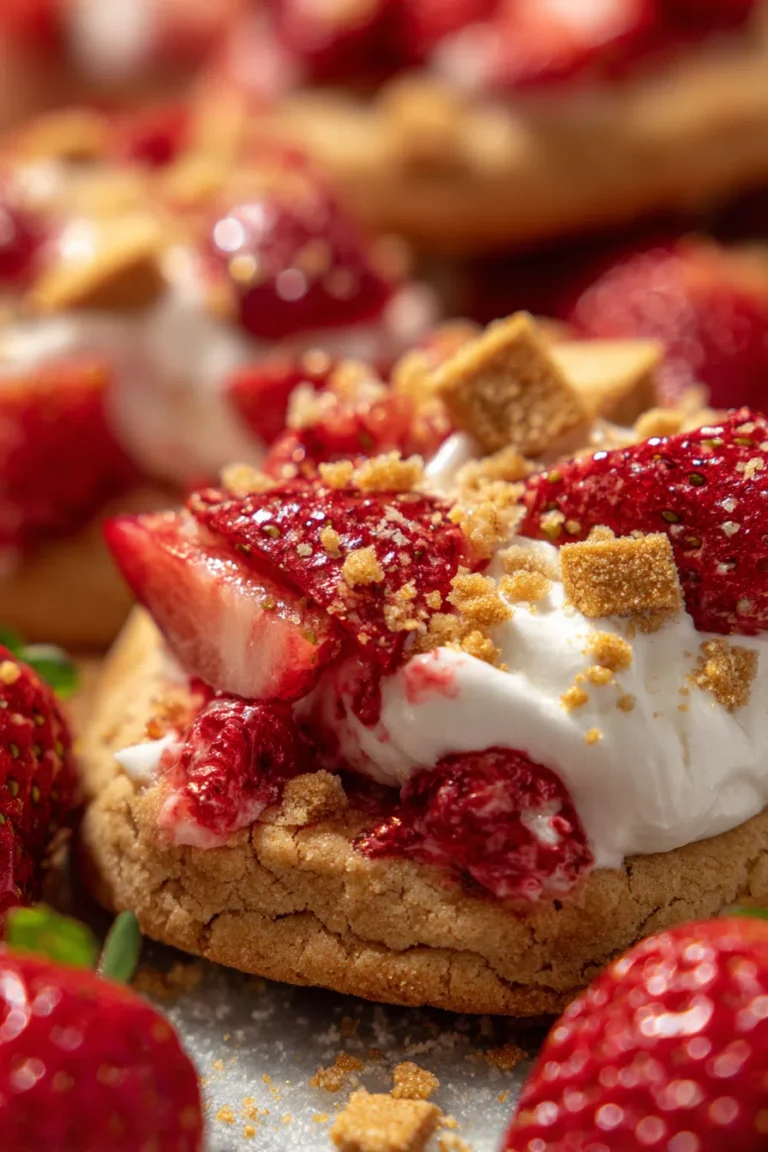
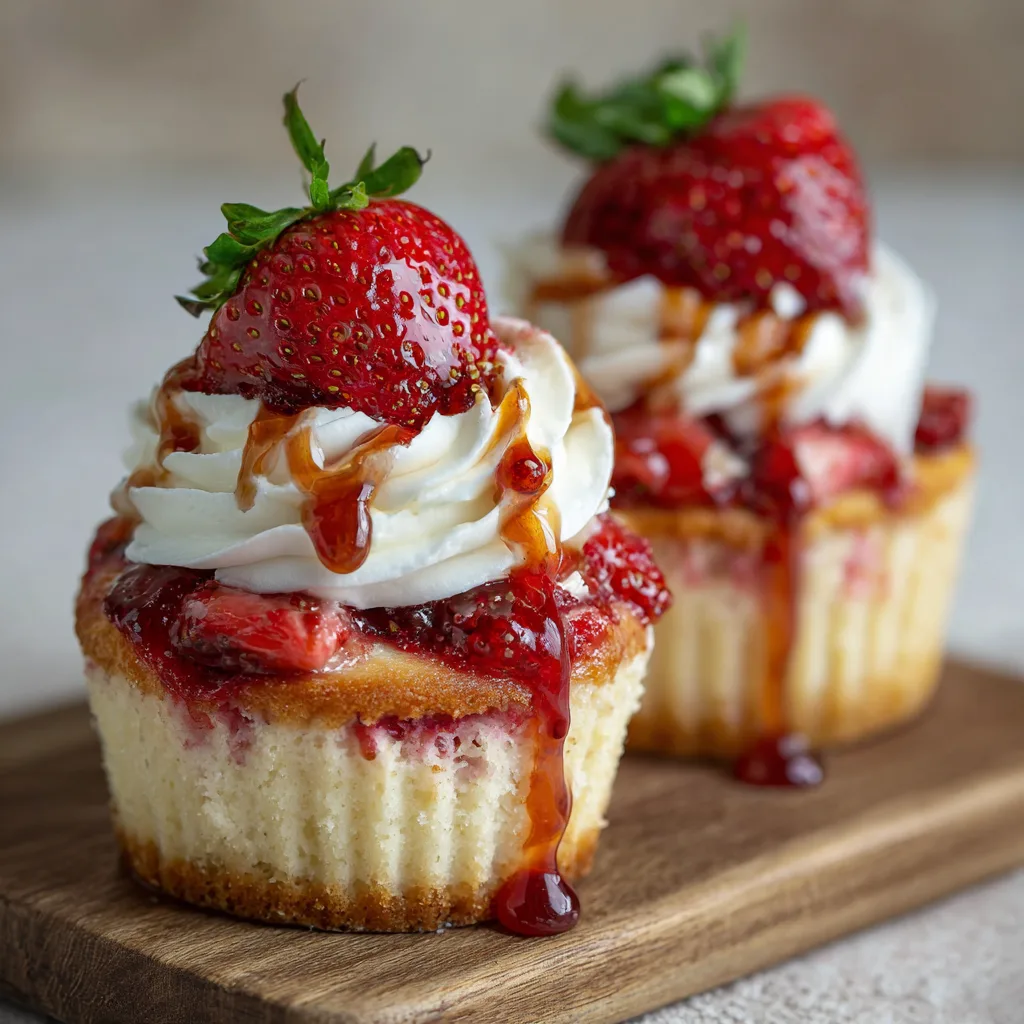
These Strawberry Cheesecake Stuffed Cupcakes represent the pinnacle of balanced dessert architecture, combining the comforting tenderness of a perfect vanilla or strawberry cake with the cool, tangy decadence of a classic New York-style cheesecake. Far beyond a simple frosted treat, this dessert integrates a baked cream cheese core and a buttery graham cracker foundation, delivering an entire dessert experience in a single, elegantly portioned bite. Achieving this level of bakery-quality perfection requires precision in three key components—the foundation, the stuffing, and the finish—but the result is a sophisticated dessert that is ideal for any celebration.
The Essential Recipe
Ingredients
I. Graham Cracker Crust
-
1 cup (115g) graham cracker crumbs (about 7-8 full sheets)
-
3 Tbsp (37g) granulated sugar
-
5 Tbsp (70g) unsalted butter, melted
II. Strawberry Cupcakes
-
1 ½ cups (180g) all-purpose flour
-
1 ½ tsp baking powder
-
¼ tsp salt
-
½ cup (113g) unsalted butter, room temperature
-
1 cup (200g) granulated sugar
-
2 large eggs, room temperature
-
1 tsp pure vanilla extract
-
½ cup (120ml) whole milk, room temperature
-
¼ cup (60ml) fresh strawberry puree (made from blending fresh strawberries)
III. Cheesecake Stuffing (Baked Core)
-
8 oz (226g) full-fat cream cheese, very soft and room temperature
-
¼ cup (50g) granulated sugar
-
1 large egg yolk
-
½ tsp pure vanilla extract
IV. Cream Cheese Frosting & Garnish
-
½ cup (113g) unsalted butter, room temperature
-
4 oz (113g) full-fat cream cheese, room temperature
-
3 cups (360g) powdered sugar, sifted
-
1 tsp pure vanilla extract
-
1-2 Tbsp whole milk or heavy cream (for desired consistency)
-
Fresh strawberries, sliced or whole, for garnish
-
Optional: Strawberry reduction or jam for drizzling
Step-by-Step Instructions
1. Prepare the Crust and Preheat: Preheat your oven to 350°F (175°C). Line a standard 12-cup muffin tin with paper liners. In a small bowl, combine graham cracker crumbs, 3 Tbsp sugar, and melted butter. Mix until the texture resembles wet sand. Scoop about 1 tablespoon of the mixture into the bottom of each liner and press firmly to create a compact crust. Bake the crusts for 5 minutes. Remove and set aside to cool slightly while preparing the batters.
2. Make the Cheesecake Stuffing: In a medium bowl, beat the softened cream cheese until smooth. Add the ¼ cup granulated sugar, egg yolk, and ½ tsp vanilla extract. Beat until the mixture is completely smooth and no lumps remain. Do not overmix. Set aside.
3. Prepare the Cupcake Batter: In a separate bowl, whisk together the flour, baking powder, and salt. In the bowl of a stand mixer fitted with the paddle attachment, cream the room-temperature butter and 1 cup of sugar on medium-high speed until light and fluffy, about 3-4 minutes. Beat in the eggs one at a time, followed by the vanilla extract. Reduce the mixer speed to low. Alternately add the dry ingredients and the whole milk/strawberry puree mixture, beginning and ending with the dry ingredients. Mix only until just combined. Do not overmix.
4. Assemble and Bake: Spoon the strawberry cupcake batter into the prepared liners, filling them about halfway (approximately 2-3 tablespoons each) over the baked crust. Next, spoon about 1 tablespoon of the prepared cheesecake filling directly onto the center of the cupcake batter. The cheesecake mixture will be visible on top. Bake for 18–22 minutes, or until the cake edges are lightly golden and a toothpick inserted into the cake portion (avoiding the center cheesecake) comes out clean. The cheesecake center should look set with a slight jiggle.
5. Cool and Chill: Transfer the baked cupcakes to a wire rack immediately after removing them from the oven. Let them cool completely. Once fully cooled, transfer the cupcakes to the refrigerator and chill for at least 1 hour. This crucial step allows the cheesecake center to firm up and prevents the frosting from melting.
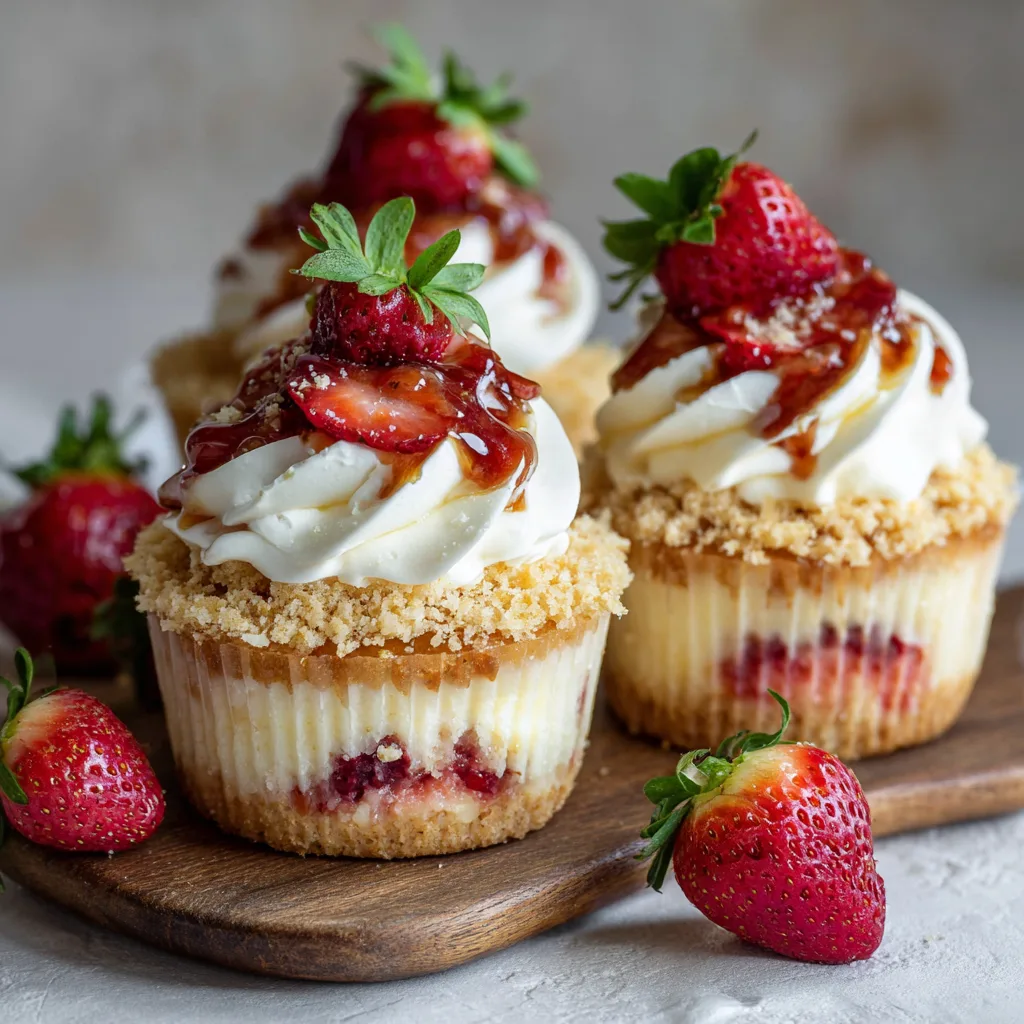
6. Frost and Garnish: To make the frosting, beat the room-temperature butter and cream cheese together until smooth and creamy. Gradually add the sifted powdered sugar, beating until incorporated. Add the vanilla extract and 1 tablespoon of milk or cream, increasing the speed to whip the frosting until light and fluffy. Pipe or spread the frosting onto the chilled cupcakes. Garnish each cupcake with fresh strawberry slices and, optionally, a drizzle of strawberry reduction or jam. Store finished cupcakes in the refrigerator.
Building the Perfect Foundation: Crust and Cake Batter Science
The base of a stuffed cupcake must be robust yet tender to hold the creamy cheesecake core without collapsing or becoming soggy. The inclusion of a preliminary graham cracker crust serves two critical functions: introducing the iconic texture and flavor of traditional cheesecake, and creating a moisture barrier between the batter and the liner.
The science of the graham cracker crust is simple but specific. The mixture of crumbs, sugar, and melted butter must be pressed firmly into the liner base after a short initial bake. This “pre-baking” or blind baking sets the crust, transforming it from a loose mixture into a solid disk that can withstand the weight and moisture of the batter poured over it. Failure to bake the crust first often results in a soft, crumbly base that lacks structure.
For the strawberry cupcake batter, moisture is paramount. Using a full-fat liquid, such as whole milk or buttermilk, coupled with softened butter and oil (if using a doctored mix), ensures a tender crumb. The recipe above uses a scratch batter where room-temperature ingredients are non-negotiable. Cold eggs and milk will instantly seize the creamed butter and sugar, resulting in a dense, tight batter. The addition of fresh strawberry puree contributes natural sugars and liquid, boosting the fruit flavor while maintaining a delicate structure. When combining the wet and dry ingredients, mix only until the flour streaks disappear. Over-mixing develops gluten, which leads to a tough, rubbery cupcake.
The Art of the ‘Stuffed’ Center: Mastering the Baked Cheesecake Core
The true defining feature of these desserts is the baked cheesecake core. There are two primary methods for incorporating the filling: the ‘coring and filling’ method (post-bake) and the ‘cheesecake drop’ method (pre-bake). For maximum flavor integration and a truly “stuffed” texture, the cheesecake drop method, as detailed in the recipe, is preferred.
When preparing the cheesecake filling, the critical factors are consistency and temperature. The cream cheese must be genuinely softened to room temperature (not melted) to ensure a lump-free, smooth filling. Over-beating the cream cheese after the egg yolk is added is a common mistake; excess aeration introduces too much air, which can cause the filling to puff up dramatically in the oven and then sink back severely, creating a significant well or “dent” upon cooling. Beat only until just combined and smooth.
During the baking phase, the difference in density between the cake batter (lighter) and the cheesecake filling (denser) naturally causes the cake to rise up around the filling, partially encasing it and achieving the “stuffed” effect. Maintaining a moderate oven temperature, typically 325°F or 350°F, is essential. This allows the cake to bake evenly without scorching the graham crust or over-baking the delicate cheesecake center. The cheesecake core is done when the edges look set and the very center still has a slight, barely perceptible jiggle. This residual heat will finish the cooking process as the cupcakes cool, leading to a perfectly creamy, rather than dry, center.
Elevating the Finish: Frosting, Reduction, and Presentation
The finishing touches transform a simple baked good into a gourmet dessert. The classic choice is a Cream Cheese Frosting, which echoes the filling while providing a light, fluffy counterpoint to the baked core.
To master the frosting:
-
Temperature: Both the butter and cream cheese must be soft and at the same temperature for a uniform emulsion.
-
Sifting: Sifting the powdered sugar is crucial to prevent grainy texture.
-
Whip Time: Beat the finished frosting on medium-high speed for several minutes until it is lightened in color and texture. This aeration is what makes the frosting airy and pipeable, rather than dense.
For the strawberry element, a concentrated strawberry reduction or compote is superior to fresh puree, offering a deeper, more robust flavor that doesn’t dilute the frosting. This is made by simmering fresh strawberries with a touch of sugar and lemon juice until thickened. It can be used in three ways:
-
Swirled into the Frosting: For an all-over pink color and flavor.
-
Drizzled on Top: After frosting, before adding the garnish.
-
Core Filling (Alternative): A small spoonful can be added on top of the cheesecake core before the cupcake is baked for a burst of jam-like flavor inside the cake.
Finally, presentation is key. Use a large star tip (like a Wilton 1M) for a professional swirl of frosting. Always chill the cupcakes completely before frosting—a warm cupcake will cause the fat in the frosting to melt and slide off. Garnish with a perfectly sliced, fanned strawberry or a sprinkle of toasted graham cracker crumbs for visual appeal and textural contrast.
Troubleshooting, Storage, and Flavor Variations
Even experienced bakers encounter challenges, but most issues with these complex cupcakes can be easily diagnosed and corrected.
Troubleshooting Common Issues:
-
Soggy Bottoms: This is almost always caused by not pre-baking the graham cracker crust enough, or by not cooling the cupcakes fully before refrigeration. The moisture from the cake gets trapped by the crust. Ensure the initial 5-minute bake is enough to set the crust.
-
Dense Cupcakes: Over-mixing the batter after the flour is added, or using cold ingredients, leads to a dense texture. Fold the flour in gently and ensure all fats and liquids are at room temperature.
-
Cheesecake Sinks or Cracks: Excessive beating of the cheesecake filling, causing too much air incorporation, is the main culprit. Beat only until just smooth. Also, check your oven temperature; opening the oven door too early or too frequently can cause sudden temperature changes that make the delicate cheesecake center collapse.
Storage and Serving:
Due to the cream cheese content in the filling and the frosting, these cupcakes are not considered shelf-stable. They must be stored in the refrigerator in an airtight container for up to 3-4 days. For the best flavor and texture, allow the chilled cupcakes to sit at room temperature for about 15-20 minutes before serving. This slight warming enhances the tenderness of the cake and the creaminess of the frosting and filling.
Creative Flavor Variations:
The “stuffed cheesecake cupcake” blueprint is highly adaptable:
-
Themed Crusts: Swap graham crackers for vanilla wafers (for a banana pudding spin), chocolate wafers (for black forest), or shortbread cookies.
-
Alternative Fillings: Instead of strawberry, swap the fruit puree in the cake batter for puréed raspberries or lemon zest and juice for a Lemon-Raspberry Cheesecake Cupcake.
-
Unique Frosting Pairings: Pair the strawberry base with a White Chocolate Ganache Frosting for added richness, or a lightened Mascarpone Whipped Cream for a less sweet, airier finish.
-
No-Bake Filling Swap: For a quicker method, skip the baked filling and core the cooled cupcake, filling it instead with a mixture of softened cream cheese, instant vanilla pudding mix, and whipped topping (Cool Whip). This results in a chilled, mousse-like center.