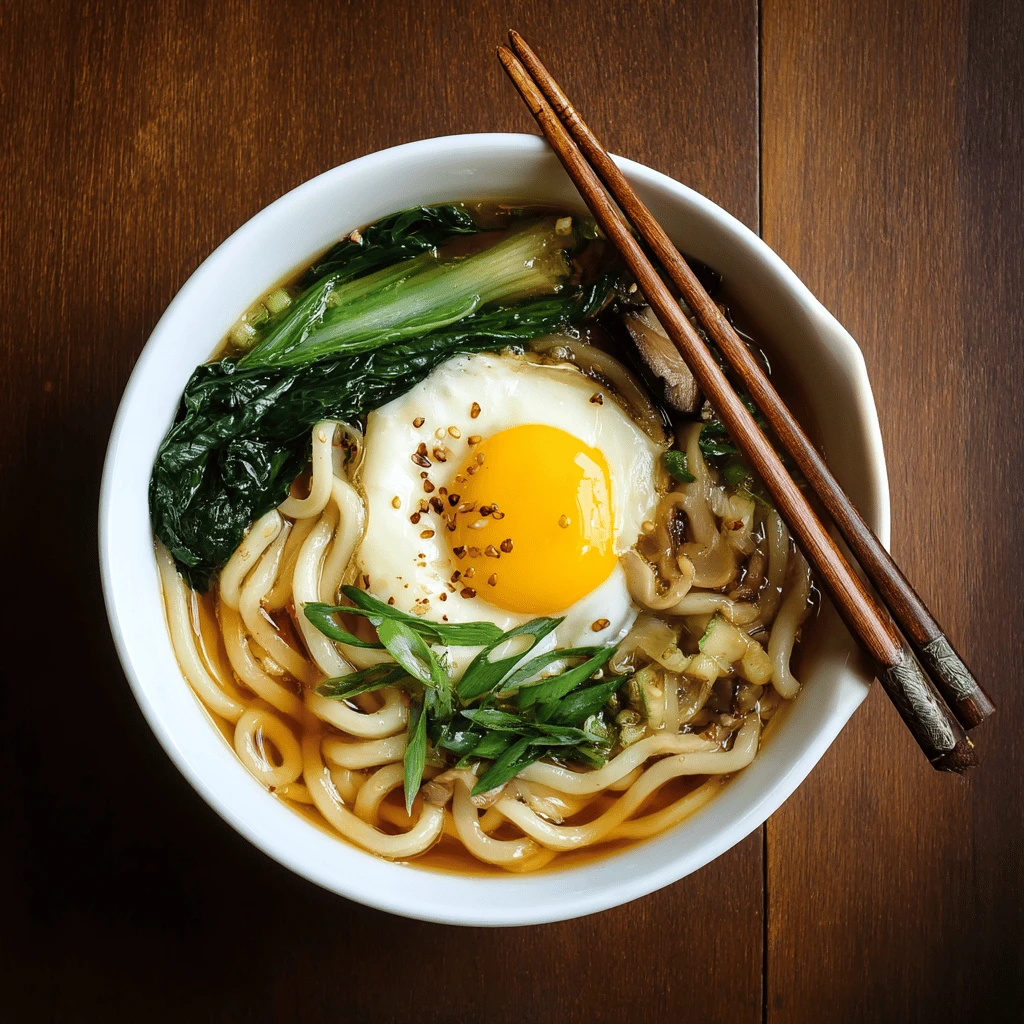
Simple Udon Japanese Food Recipes
Udon, with its thick, chewy noodles and savory broth, is a staple of Japanese cuisine. Its simplicity is part of its charm, making it a popular choice for a quick and satisfying meal. Whether you’re a seasoned cook or a kitchen novice, making udon at home is surprisingly easy and rewarding. This guide will walk you through the essential elements of creating delicious and authentic udon dishes, focusing on simplicity and flavor.
Understanding Udon: Noodles, Broth, and Toppings
Udon’s beauty lies in its components. The noodles themselves are the star, but the broth provides the flavor foundation, and the toppings add texture and character.
The Noodles: Fresh, Dried, or Frozen?
The first decision you’ll make is choosing your udon noodles. Each type offers a unique experience.
- Fresh Udon: These are considered the gold standard. They have the best texture – incredibly chewy and slippery. However, they require cooking immediately or within a day or two. Look for them at Asian grocery stores or specialty food shops.
- Dried Udon: A pantry staple, dried udon noodles are convenient and have a longer shelf life. They require more cooking time than fresh noodles and the texture is slightly firmer. Follow package instructions carefully to avoid overcooking.
- Frozen Udon: An excellent compromise between fresh and dried, frozen udon noodles are pre-cooked and simply need to be reheated. They retain a good chewy texture and are readily available in most supermarkets with Asian sections.
Crafting the Perfect Broth (Dashi)
The broth, or dashi, is the soul of udon. While you can find instant dashi granules, making it from scratch is surprisingly easy and unlocks a deeper flavor. The basic ingredients are:
- Kombu (Dried Kelp): Provides a rich, umami flavor.
- Katsuobushi (Dried Bonito Flakes): Adds a smoky, savory note.
- Water: The base for the broth.
Basic Dashi Recipe:
1. Wipe the kombu with a damp cloth (do not wash it).
2. Place the kombu in a pot with cold water.
3. Bring the water to just below a simmer. Remove the kombu before it boils.
4. Add the katsuobushi. Simmer for a minute, then turn off the heat.
5. Let the katsuobushi steep for 5-10 minutes.
6. Strain the broth through a fine-mesh sieve lined with cheesecloth. Discard the kombu and katsuobushi.
From this basic dashi, you can create a variety of udon broths by adding soy sauce, mirin (sweet rice wine), and other seasonings.
Choosing Your Toppings
Toppings are where you can personalize your udon. The possibilities are endless, but some popular choices include:
- Negi (Green Onions): A classic topping, adding a fresh, slightly pungent flavor.
- Aburaage (Fried Tofu Pouches): Sweet and savory, they absorb the broth beautifully.
- Kamaboko (Fish Cake): Adds a visual appeal and a subtle seafood flavor.
- Wakame (Dried Seaweed): Provides a briny, oceanic touch.
- Tempura: Crispy fried vegetables or shrimp, adding a textural contrast.
- Soft Boiled Egg: A creamy, rich addition that coats the noodles.
- Meat: Thinly sliced beef (like in niku udon), chicken, or pork.
Three Simple Udon Recipes to Try at Home
Here are three variations on udon to get you started: Kake Udon, Kitsune Udon, and Curry Udon.
Kake Udon: The Essential Simplicity
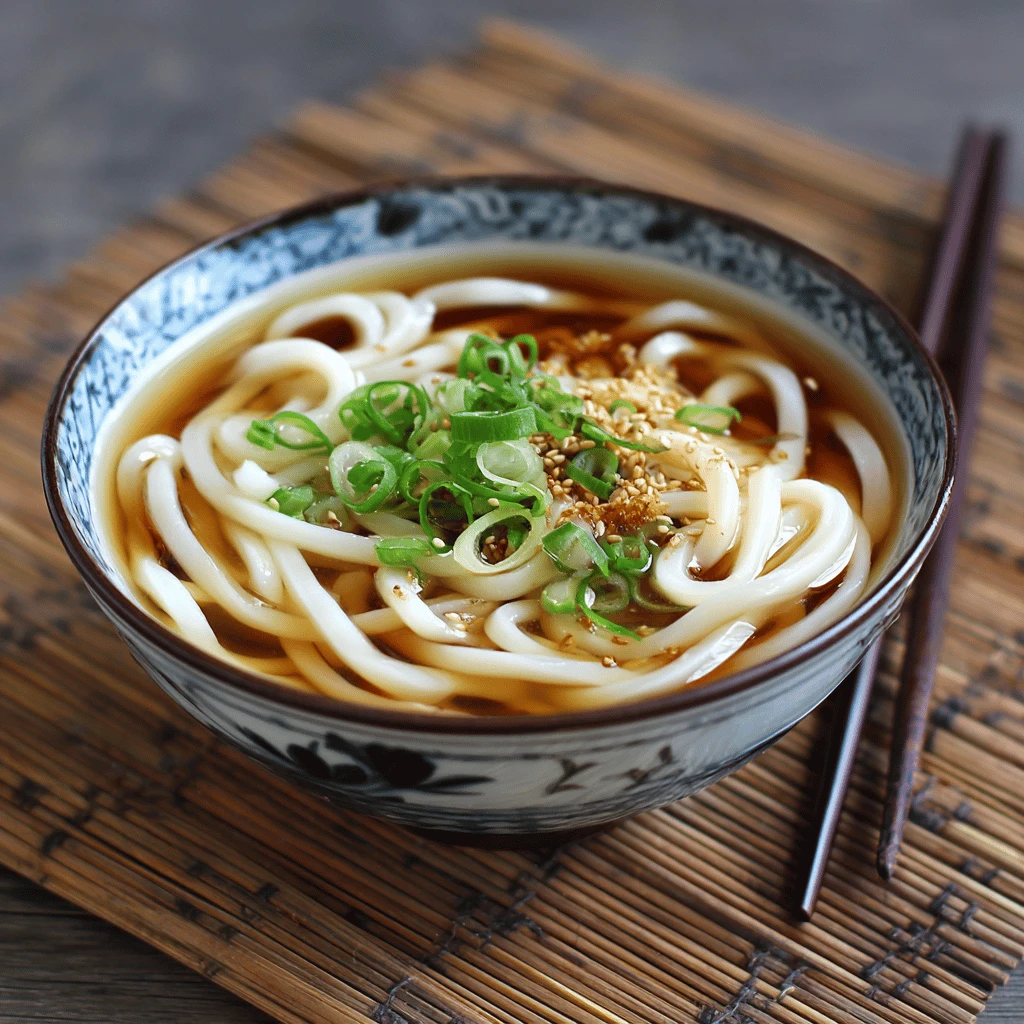
Kake Udon is the simplest form of udon, showcasing the clean flavors of the noodles and broth.
Ingredients:
- Udon noodles (fresh, dried, or frozen)
- Dashi broth (as prepared above)
- Soy sauce
- Mirin
- Negi (green onions), thinly sliced
Instructions:
1. Cook the udon noodles according to package directions. Drain well.
2. While the noodles are cooking, prepare the broth. In a saucepan, combine dashi broth, soy sauce, and mirin. Adjust the amounts to your taste (start with 2 tablespoons of soy sauce and 1 tablespoon of mirin per cup of dashi). Bring to a simmer.
3. Place the cooked udon noodles in a bowl.
4. Pour the hot broth over the noodles.
5. Garnish with sliced green onions.
Kitsune Udon: Sweet and Savory Delight
Kitsune Udon features aburaage (fried tofu pouches) simmered in a sweet and savory sauce.
Ingredients:
- Udon noodles (fresh, dried, or frozen)
- Dashi broth (as prepared above)
- Soy sauce
- Mirin
- Sugar
- Aburaage (fried tofu pouches)
- Negi (green onions), thinly sliced
Instructions:
1. Cook the udon noodles according to package directions. Drain well.
2. Prepare the aburaage. Cut each pouch in half. In a saucepan, combine soy sauce, mirin, sugar, and a small amount of dashi broth. Add the aburaage and simmer until the liquid is mostly absorbed.
3. Prepare the broth. In a saucepan, combine dashi broth and soy sauce. Adjust the amounts to your taste. Bring to a simmer.
4. Place the cooked udon noodles in a bowl.
5. Pour the hot broth over the noodles.
6. Top with the simmered aburaage and sliced green onions.
Curry Udon: A Warm and Spicy Twist
Curry Udon combines the comforting flavors of Japanese curry with the satisfying texture of udon noodles.
Ingredients:
- Udon noodles (fresh, dried, or frozen)
- Japanese curry roux (store-bought or homemade)
- Dashi broth (as prepared above)
- Thinly sliced beef, chicken, or pork (optional)
- Onion, thinly sliced
- Carrot, thinly sliced
- Potato, diced
- Negi (green onions), thinly sliced
Instructions:
1. Cook the udon noodles according to package directions. Drain well.
2. If using meat, brown it in a pot. Add the onion, carrot, and potato and cook until softened.
3. Add the dashi broth and bring to a simmer.
4. Break up the Japanese curry roux and add it to the pot, stirring until dissolved and the sauce has thickened.
5. Place the cooked udon noodles in a bowl.
6. Pour the curry sauce over the noodles.
7. Garnish with sliced green onions.
Tips for Udon Success
Here are some additional tips to elevate your udon game:
Noodle Cooking Mastery
- Don’t Overcook: Overcooked udon noodles become mushy and lose their appeal. Cook them al dente – slightly firm to the bite.
- Rinse Thoroughly: After cooking, rinse the noodles under cold water to remove excess starch. This prevents them from sticking together.
- Revive Frozen Noodles: If using frozen noodles, simply blanch them in boiling water for a minute or two until they are heated through.
Broth Refinement
- Adjust Seasoning: Taste the broth as you go and adjust the soy sauce, mirin, and sugar to your preference.
- Experiment with Flavors: Add a touch of ginger, garlic, or chili flakes to the broth for extra depth and complexity.
- Use High-Quality Ingredients: The better the ingredients, the better the flavor of the broth.
Topping Creativity
- Think Textures: Combine soft, chewy, and crispy toppings for a more interesting eating experience.
- Consider Colors: Use colorful toppings to make your udon visually appealing.
- Prepare in Advance: Chop vegetables, cook meats, and prepare toppings ahead of time to make the assembly process easier.
Beyond the Basics: Expanding Your Udon Repertoire
Once you’ve mastered the basic udon recipes, feel free to explore other variations and customize them to your liking.
Tempura Udon
Adding freshly fried tempura to your udon is a classic and delicious combination. Shrimp tempura, vegetable tempura, or a mix of both are excellent choices.
Niku Udon
Niku Udon features thinly sliced beef simmered in a sweet and savory sauce, similar to that used for gyudon (beef bowl).
Tsukimi Udon
Tsukimi Udon, or “moon-viewing udon,” is topped with a raw egg, symbolizing the full moon. The egg adds a creamy richness to the broth.
Spicy Udon
Add chili oil, chili flakes, or a dollop of gochujang (Korean chili paste) to your udon for a fiery kick.
Vegetarian/Vegan Udon
Omit the katsuobushi from the dashi broth to make it vegetarian. Use vegetable broth or shiitake mushroom broth as a base. Replace meat toppings with tofu, mushrooms, or vegetables.
Udon Frequently Asked Questions
What is the difference between udon and ramen?
Udon noodles are thick and chewy, made from wheat flour, water, and salt. Ramen noodles are thinner and typically contain kansui, an alkaline mineral water, which gives them a distinct yellow color and springy texture. The broths and toppings also differ significantly between the two dishes.
Can I make udon noodles from scratch?
Yes, you can make udon noodles from scratch, but it requires some effort and practice. The process involves kneading the dough, resting it, rolling it out, and cutting it into the characteristic thick strands. Many recipes and tutorials are available online.
How do I store leftover udon noodles?
Cooked udon noodles can be stored in the refrigerator for up to 2 days. Place them in an airtight container to prevent them from drying out. When reheating, add a splash of water to the noodles to help them regain their moisture.
What are some good vegetarian toppings for udon?
Good vegetarian toppings for udon include:
- Tofu (fried, grilled, or simmered)
- Mushrooms (shiitake, enoki, or maitake)
- Seaweed (wakame, nori)
- Vegetables (spinach, carrots, bamboo shoots)
- Tempura vegetables (sweet potato, eggplant, pumpkin)
Where can I buy udon noodles?
Udon noodles are widely available in Asian grocery stores, supermarkets with Asian sections, and online retailers.