Simple Dango Japanese Food Recipes
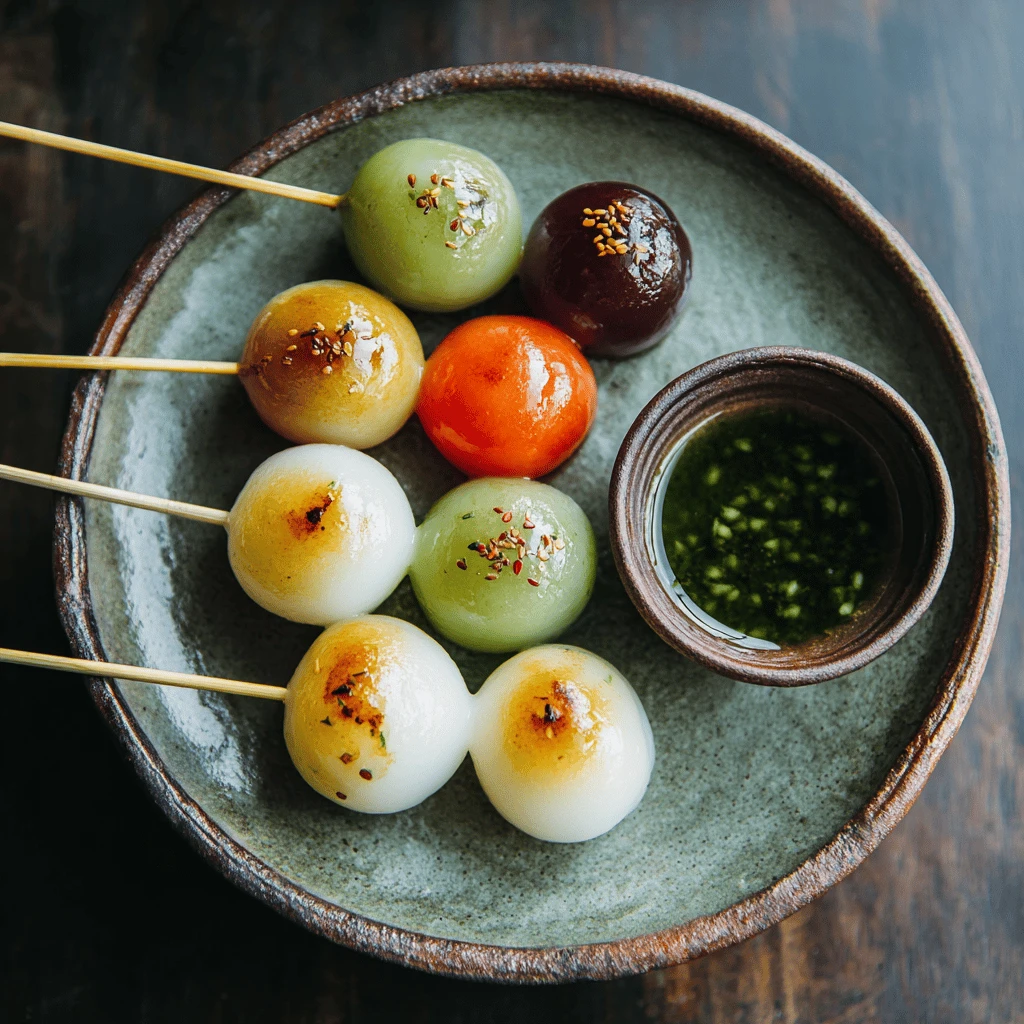
Dango, those chewy, sweet, and utterly delightful Japanese dumplings, are a beloved treat enjoyed across Japan. Made from mochiko (sweet rice flour), they’re incredibly versatile and surprisingly easy to prepare at home. Forget complicated desserts; dango offers a simple yet satisfying taste of Japanese culture. This guide provides several delicious and accessible dango recipes, perfect for beginners and seasoned cooks alike.
Understanding Dango: A Chewy Delight
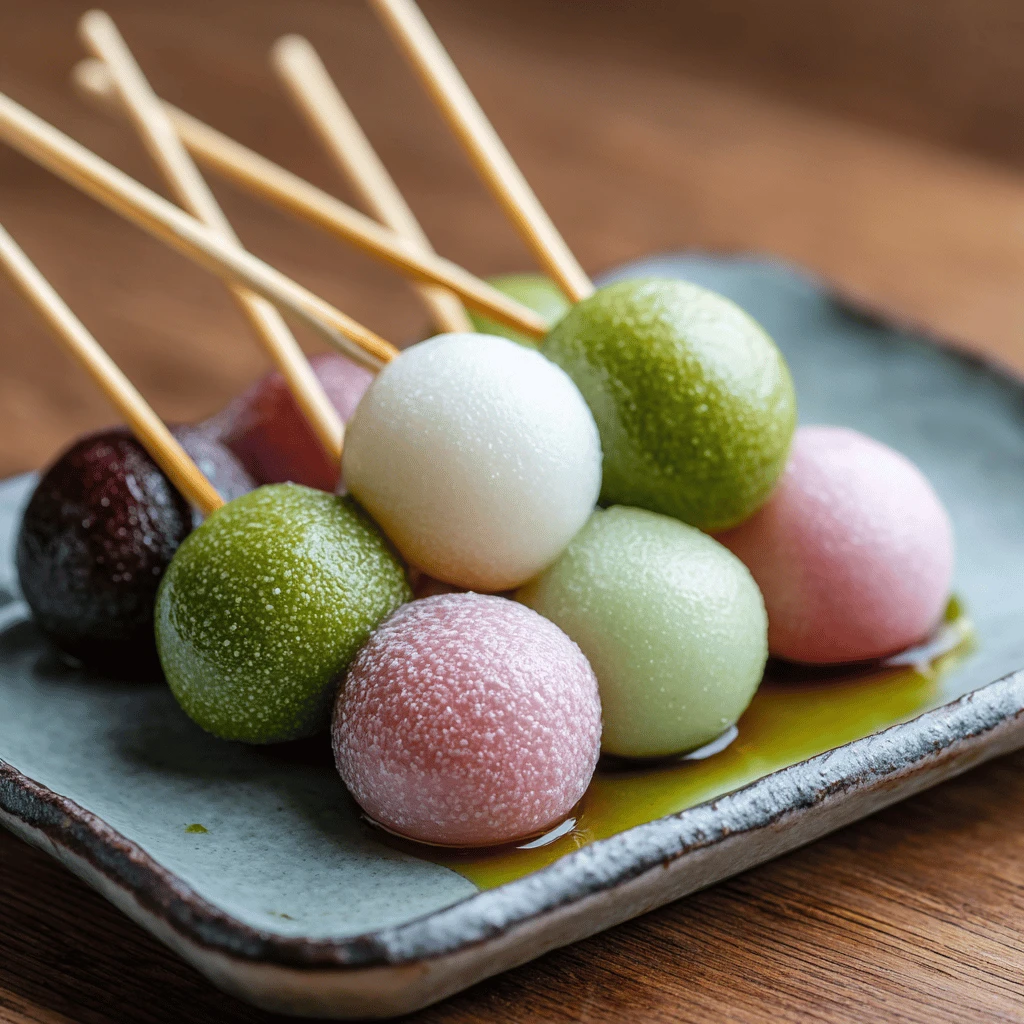
Before diving into the recipes, let’s explore what makes dango so special. Dango is essentially a type of mochi, though smaller and typically served on skewers. Its texture is key: it should be pleasantly chewy, not too soft nor too hard. The flavor is subtly sweet, allowing it to pair beautifully with a variety of toppings and sauces.
The Essential Ingredient: Mochiko
Mochiko, or sweet rice flour, is the foundation of dango. It’s made from glutinous rice, giving dango its signature chewiness. While other types of rice flour exist, mochiko is crucial for achieving the authentic dango texture. You can find it at most Asian supermarkets or online.
Beyond Mochiko: Other Key Components
Beyond mochiko, you’ll typically need water and, optionally, sugar. Some recipes also incorporate silken tofu to create an even softer texture. For flavoring, common additions include matcha powder, kinako (roasted soybean flour), and black sesame seeds.
Classic Dango Recipes: A Beginner’s Guide
These recipes focus on simplicity, making them ideal for your first dango-making experience.
Mitarashi Dango: The Sweet and Savory Favorite
Mitarashi dango is perhaps the most popular type of dango. It features a sweet and savory glaze made from soy sauce, sugar, and starch.
Ingredients:
-
- Dango:
1 cup mochiko
¾ cup water
-
- Mitarashi Sauce:
¼ cup soy sauce
¼ cup sugar
2 tablespoons water
1 tablespoon potato starch or cornstarch
Instructions:
1. Prepare the Dango: In a bowl, combine mochiko and water. Mix until a smooth, pliable dough forms. If the dough is too dry, add a little more water, a teaspoon at a time. If it’s too sticky, add a bit more mochiko.
2. Shape the Dango: Divide the dough into 16-20 equal pieces. Roll each piece into a small ball.
3. Cook the Dango: Bring a pot of water to a boil. Gently drop the dango balls into the boiling water. Once they float to the surface, cook for another 2-3 minutes.
4. Cool the Dango: Remove the dango from the boiling water and transfer them to a bowl of ice water to stop the cooking process.
5. Make the Mitarashi Sauce: In a saucepan, combine soy sauce, sugar, water, and potato starch. Whisk until smooth.
6. Cook the Sauce: Cook the sauce over medium heat, stirring constantly, until it thickens to a glossy glaze.
7. Assemble and Serve: Skewer 3-4 dango balls onto each bamboo skewer. Generously brush the mitarashi sauce over the dango. Serve immediately.
Anko Dango: Sweet Red Bean Paste Delight
Anko dango features a topping of sweet red bean paste, known as anko. It’s a simple yet satisfying combination of chewy dango and sweet, earthy bean flavor.
Ingredients:
- Dango (same as Mitarashi Dango recipe)
- Anko (sweet red bean paste, store-bought or homemade)
Instructions:
1. Prepare the dango following the steps in the Mitarashi Dango recipe.
2. Once the dango are cooked and cooled, skewer them onto bamboo skewers.
3. Top each skewer of dango with a generous dollop of anko. Serve immediately.
Variations on a Theme: Exploring Different Flavors
Once you’ve mastered the basic dango recipe, you can experiment with different flavors and toppings.
Matcha Dango: A Taste of Green Tea
Add matcha powder to the dango dough for a vibrant green color and a subtle earthy flavor.
Ingredients:
- 1 cup mochiko
- ¾ cup water
- 1-2 tablespoons matcha powder
Instructions:
1. Combine mochiko and matcha powder in a bowl.
2. Gradually add water, mixing until a smooth, pliable dough forms.
3. Follow the cooking and serving instructions from the Mitarashi Dango recipe. You can serve matcha dango with mitarashi sauce, anko, or simply dust them with extra matcha powder.
Kinako Dango: Roasted Soybean Flour Delight
Kinako, or roasted soybean flour, adds a nutty and slightly sweet flavor to dango.
Ingredients:
- Dango (same as Mitarashi Dango recipe)
- Kinako (roasted soybean flour)
- Sugar (optional)
Instructions:
1. Prepare the dango following the steps in the Mitarashi Dango recipe.
2. Mix kinako with a small amount of sugar (optional).
3. Roll the cooked and cooled dango in the kinako mixture, coating them evenly. Serve immediately.
Sesame Dango: A Nutty and Aromatic Treat
Black sesame seeds add a nutty flavor and a visually appealing look to dango.
Ingredients:
- Dango (same as Mitarashi Dango recipe)
- Black sesame seeds
Instructions:
1. Prepare the dango following the steps in the Mitarashi Dango recipe.
2. Toast the black sesame seeds in a dry pan over medium heat until fragrant. Be careful not to burn them.
3. Roll the cooked and cooled dango in the toasted black sesame seeds, coating them evenly. Serve immediately.
Tips and Tricks for Perfect Dango
Making dango is relatively simple, but here are some tips to ensure success:
- Dough Consistency: The dango dough should be smooth and pliable, similar to playdough. If it’s too dry, add water gradually. If it’s too sticky, add a little more mochiko.
- Cooking Time: Don’t overcook the dango. Once they float to the surface, cook for only 2-3 minutes more. Overcooked dango can become tough.
- Ice Bath: Transferring the cooked dango to an ice bath stops the cooking process and helps them retain their chewy texture.
- Freshness: Dango is best enjoyed fresh. It can become hard and dry if stored for too long. If you need to store it, wrap it tightly in plastic wrap and refrigerate it for up to a day. You can reheat it by steaming or microwaving it briefly.
- Experiment: Don’t be afraid to experiment with different flavors and toppings. Try adding other spices, extracts, or even food coloring to the dango dough.
Frequently Asked Questions About Dango
What is dango made of?
Dango is primarily made from mochiko, or sweet rice flour. Water is added to form a dough, and other ingredients like sugar, tofu, or flavorings can be incorporated.
Is dango gluten-free?
Yes, dango is naturally gluten-free as it’s made from rice flour. However, be sure to check the labels of any toppings or sauces you use to ensure they are also gluten-free.
How do you store dango?
Dango is best enjoyed fresh. However, you can store it in an airtight container in the refrigerator for up to a day. Reheat by steaming or microwaving for a short time.
Can I freeze dango?
While you can freeze dango, the texture might change slightly upon thawing. To freeze, wrap individual dango pieces tightly in plastic wrap and store them in a freezer-safe bag. Thaw completely before reheating.
Where can I buy mochiko?
Mochiko is available at most Asian supermarkets or online retailers.
What does dango taste like?
Dango has a subtly sweet taste and a chewy texture. The flavor can be enhanced with various toppings and sauces, such as mitarashi sauce, anko, or kinako.
What is the difference between mochi and dango?
Both mochi and dango are made from glutinous rice flour, but they differ in size, preparation, and typical presentation. Mochi is often larger and can be filled with sweet or savory fillings. Dango is smaller, usually served on skewers, and topped with various sauces or powders.