Okonomiyaki Japanese Food Recipes: A Savory Pancake Adventure
Okonomiyaki, often described as a savory Japanese pancake or pizza, is a culinary delight that’s surprisingly easy to customize and create at home. Its name, meaning “grilled as you like it,” hints at the dish’s inherent flexibility. This article dives deep into the world of okonomiyaki, exploring its history, regional variations, step-by-step cooking instructions, ingredient options, and even answers some frequently asked questions. Get ready to embark on a delicious journey!
Unveiling the Origins and Evolution of Okonomiyaki
The story of okonomiyaki is intertwined with the history of Japanese cuisine and resourcefulness. Its roots can be traced back to funoyaki, a simple crepe-like snack made with wheat flour and water during the Edo period. As ingredients became more readily available, funoyaki evolved, incorporating various fillings and toppings. After World War II, when resources were scarce, okonomiyaki gained immense popularity as an affordable and filling meal. People began using whatever ingredients they had on hand, solidifying the dish’s customizable nature. This adaptability cemented okonomiyaki’s place in Japanese culinary culture.
Different regions of Japan have developed their unique twists on okonomiyaki. The two most well-known styles are Hiroshima-style and Osaka-style. Osaka-style, also known as Kansai-style, involves mixing all the ingredients, including the flour batter, cabbage, and protein, together before grilling. In contrast, Hiroshima-style layers the ingredients, starting with a thin crepe, followed by cabbage, bean sprouts, noodles, and then a choice of meat or seafood. The layers are then flipped and cooked until golden brown. These regional variations demonstrate the creative spirit that defines okonomiyaki.
Beyond Osaka and Hiroshima, other regions have their own distinctive approaches. For example, in Tokyo, monjayaki is a popular variation that uses a more liquid batter and is cooked on a hot plate in front of diners. In Hamamatsu, you might find okonomiyaki filled with takuan (pickled radish). These regional nuances showcase the diverse and ever-evolving nature of this beloved dish.
Crafting the Perfect Okonomiyaki: A Step-by-Step Guide
Making okonomiyaki at home is easier than you might think. This section provides a detailed guide to creating a delicious and authentic version.
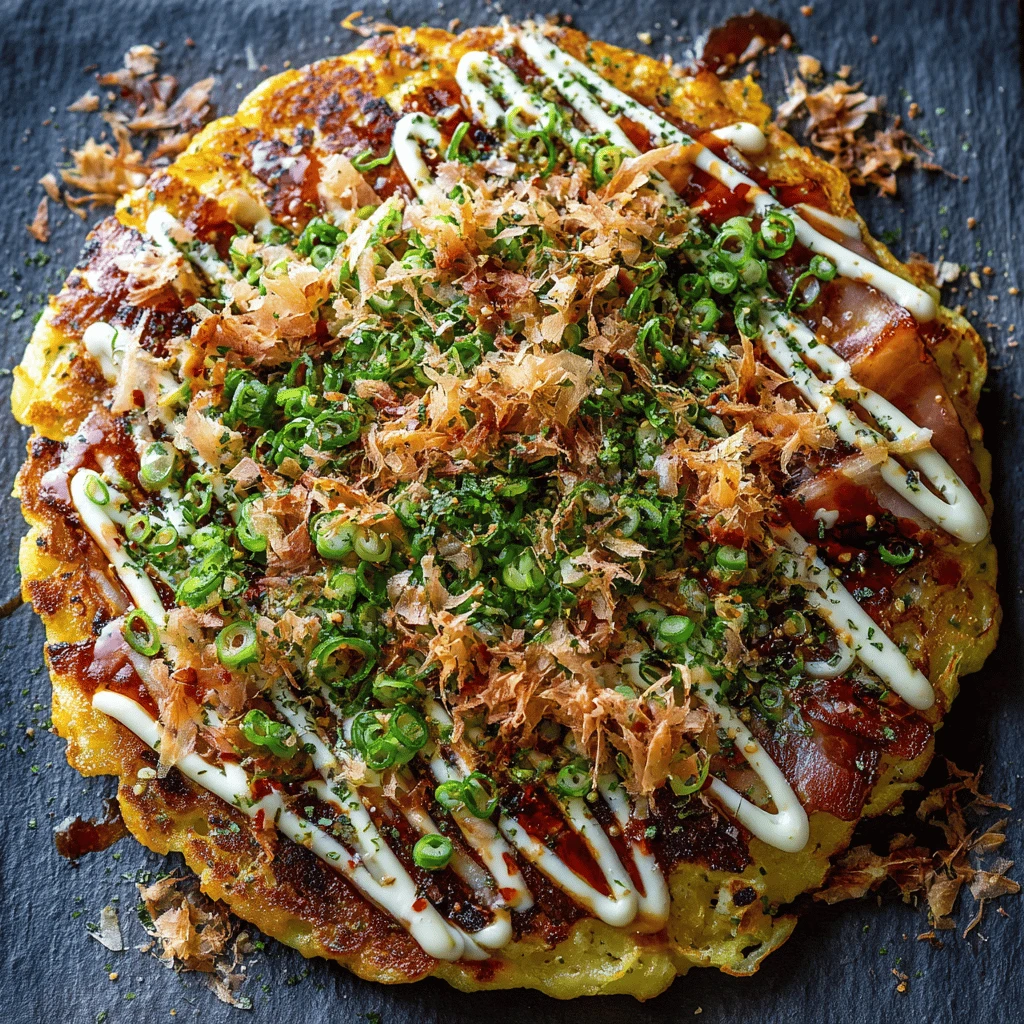
Gather Your Ingredients: The basic ingredients for okonomiyaki include flour, dashi (Japanese soup stock), eggs, shredded cabbage, green onions, and your choice of protein, such as pork belly, shrimp, or squid. You’ll also need okonomiyaki sauce, Japanese mayonnaise (Kewpie), dried seaweed flakes (aonori), and dried bonito flakes (katsuobushi) for toppings. Benishoga (pickled ginger) is another classic addition.
Prepare the Batter: In a large bowl, whisk together the flour and dashi. Add the eggs and mix until well combined. The batter should be slightly thick, similar to pancake batter.
Combine the Ingredients: Gently fold in the shredded cabbage and chopped green onions into the batter. Add your choice of protein. Be careful not to overmix, as this can make the okonomiyaki tough.
Cook the Okonomiyaki: Heat a lightly oiled griddle or large frying pan over medium heat. Pour the batter onto the hot surface, forming a round pancake shape. Cook for about 5-7 minutes per side, or until golden brown and cooked through.
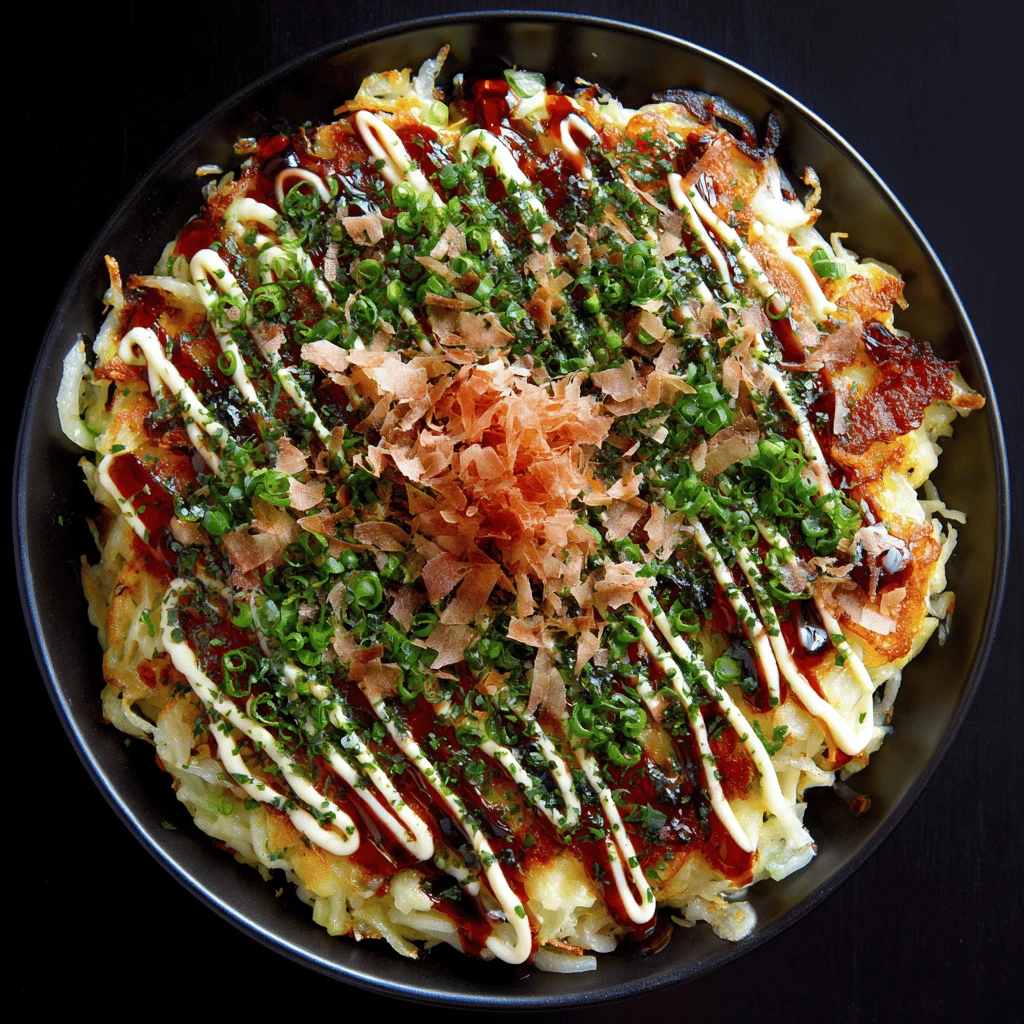
Assemble and Serve: Transfer the cooked okonomiyaki to a plate. Generously brush with okonomiyaki sauce, drizzle with Japanese mayonnaise, and sprinkle with aonori and katsuobushi. Add a side of benishoga for a tangy contrast. Serve immediately and enjoy!
Mastering the Art of Customization: Ingredient Variations
The beauty of okonomiyaki lies in its versatility. Experiment with different ingredients to create your own unique masterpiece.
Protein Power: Pork belly is a classic choice, but you can also use shrimp, squid, bacon, chicken, or even tofu for a vegetarian option. Consider pre-cooking your protein before adding it to the batter to ensure it’s fully cooked.
Vegetable Variety: While cabbage is a staple ingredient, feel free to add other vegetables such as carrots, bean sprouts, corn, or mushrooms. Experiment with different textures and flavors to find your perfect combination.
Sauce Sensations: Okonomiyaki sauce is essential, but you can also try other sauces like Worcestershire sauce, tonkatsu sauce, or even a spicy sriracha mayo for a kick.
Batter Innovations: For a gluten-free option, use rice flour or a gluten-free flour blend. You can also add grated yam (nagaimo) to the batter for a fluffier texture.
Topping Transformations: Beyond the traditional toppings, consider adding sesame seeds, furikake (rice seasoning), or even a fried egg for an extra layer of flavor and richness.
Pro Tips and Tricks for Okonomiyaki Perfection
To elevate your okonomiyaki game, consider these helpful tips and tricks.
Temperature Control: Maintaining the correct heat is crucial. If the pan is too hot, the okonomiyaki will burn on the outside before it’s cooked through. If it’s too low, the okonomiyaki will be soggy. Medium heat is generally ideal.
Patience is Key: Don’t rush the cooking process. Allow the okonomiyaki to cook slowly and evenly on both sides. Resist the urge to flip it too early, as this can cause it to fall apart.
Use a Spatula: A wide, flat spatula is essential for flipping and handling the okonomiyaki. Use a gentle touch to avoid tearing the pancake.
Don’t Overcrowd the Pan: Cook the okonomiyaki in batches if necessary to avoid overcrowding the pan. This will ensure that each pancake cooks evenly.
Get Creative with Presentation: While okonomiyaki is delicious on its own, a beautiful presentation can enhance the dining experience. Use a squeeze bottle to create intricate designs with the mayonnaise and arrange the toppings artfully.
Frequently Asked Questions About Okonomiyaki
What is the best flour to use for okonomiyaki?
All-purpose flour is commonly used, but some recipes call for okonomiyaki flour, which is a special blend designed specifically for this dish. It often includes a mix of wheat flour, baking powder, and other ingredients for a lighter texture.
Can I make okonomiyaki vegetarian or vegan?
Yes, it’s easy to adapt okonomiyaki to be vegetarian or vegan. Simply omit the meat or seafood and use tofu or other plant-based proteins instead. For a vegan version, replace the eggs with a flax egg or a commercial egg replacer. Ensure your dashi is made with kombu (kelp) rather than fish flakes.
How do I store leftover okonomiyaki?
Leftover okonomiyaki can be stored in the refrigerator for up to 2 days. Reheat it in a frying pan or microwave until warmed through. Note that the texture may change slightly upon reheating.
What is okonomiyaki sauce made of?
Okonomiyaki sauce is a thick, savory-sweet sauce similar to Worcestershire sauce but with a richer, fruitier flavor. It typically contains ingredients like tomatoes, dates, apples, soy sauce, vinegar, and spices.
Is okonomiyaki healthy?
Okonomiyaki can be part of a balanced diet, but it’s important to be mindful of the ingredients and portion sizes. It contains vegetables, protein, and carbohydrates, but can also be high in sodium and fat, depending on the toppings and cooking method. Choosing lean proteins, loading up on vegetables, and using a moderate amount of sauce can help make it a healthier option.