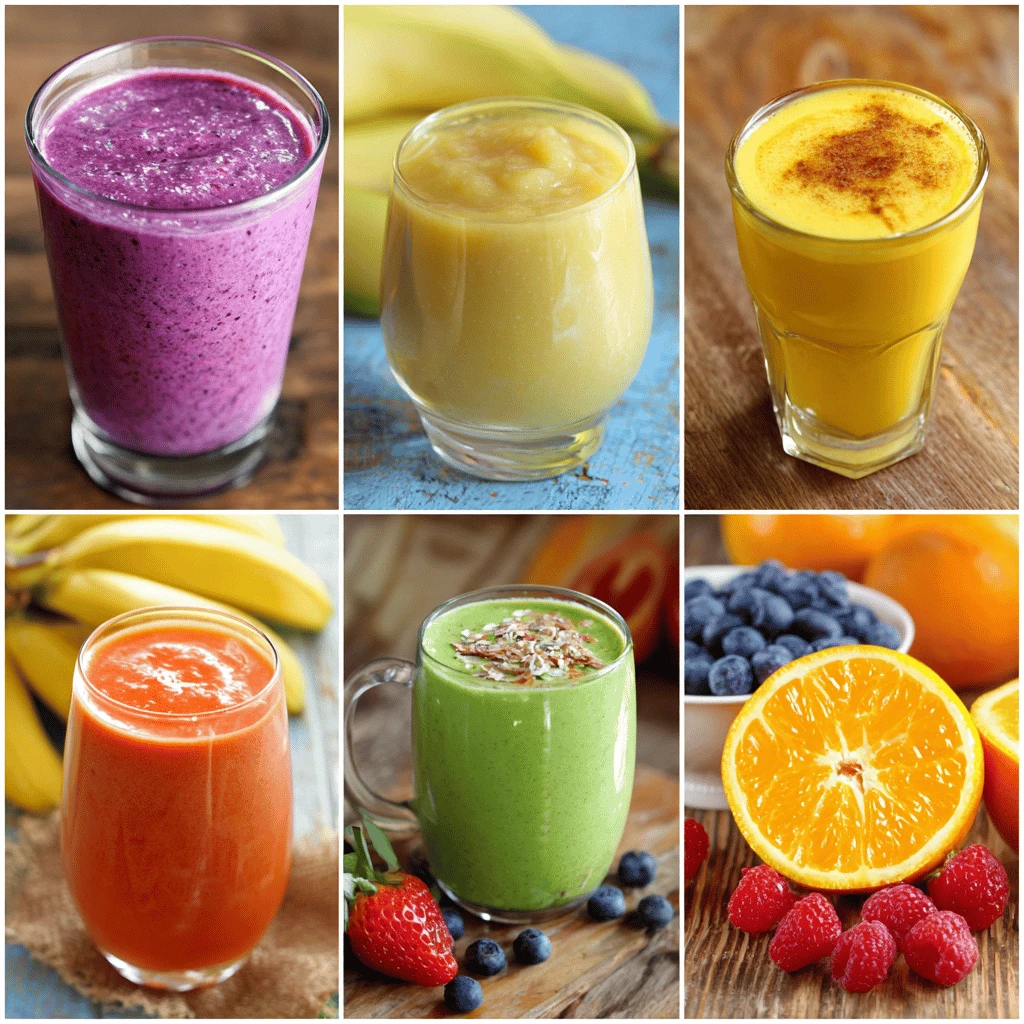
Healthy Smoothies Breakfast Recipes for the Whole Family
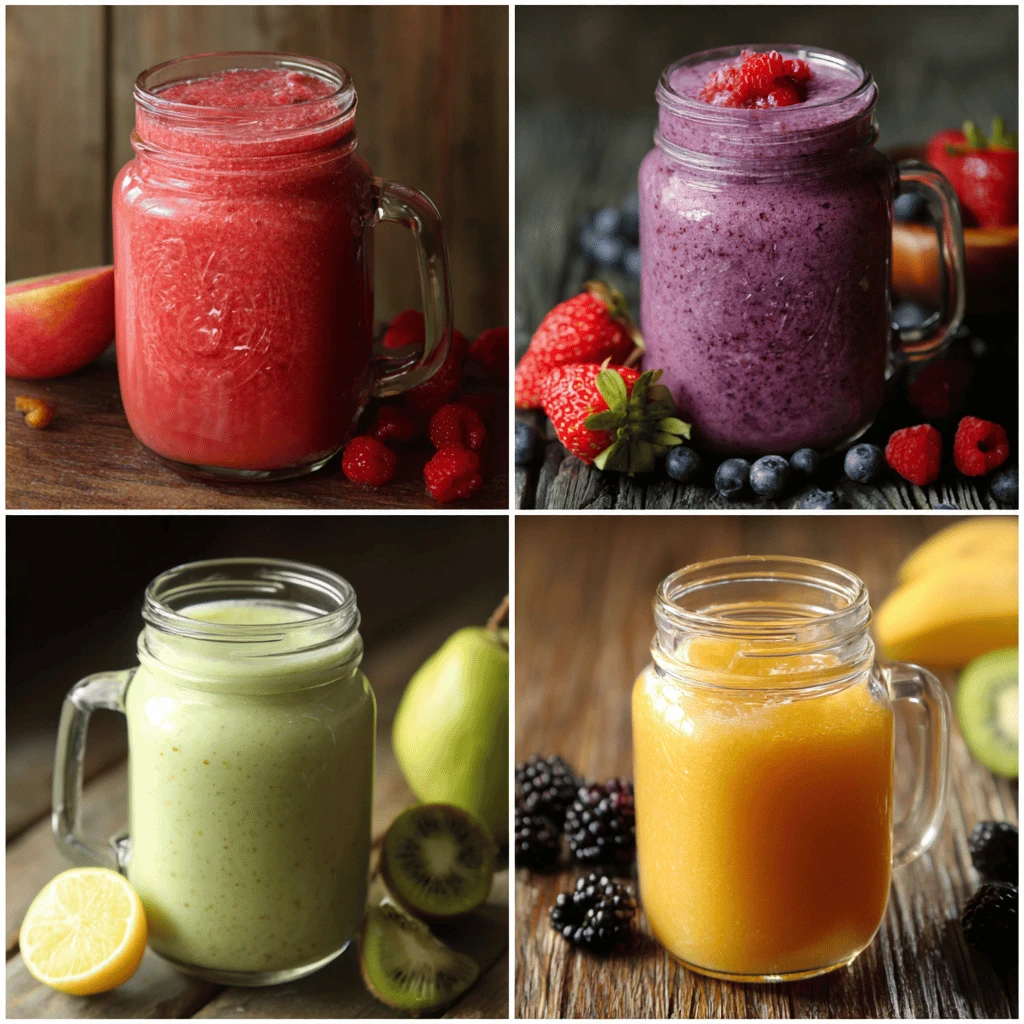
Smoothies are a fantastic way to kickstart your day with a burst of nutrients, especially for busy families. They’re quick, customizable, and a sneaky way to pack in fruits, vegetables, and other wholesome ingredients that kids (and adults!) might otherwise avoid. This guide offers a range of healthy smoothie breakfast recipes perfect for pleasing everyone in the family, along with tips for making smoothie prep a breeze.
Why Smoothies Are a Great Breakfast Choice
Smoothies offer a multitude of benefits that make them an ideal breakfast option, particularly when juggling the demands of family life.
Nutritional Powerhouse: Smoothies are an excellent way to load up on vitamins, minerals, and antioxidants. You can easily incorporate a variety of fruits, vegetables, and superfoods to create a nutrient-rich blend. This is especially helpful for picky eaters who might resist eating these ingredients in their whole form.
Quick and Convenient: In the rush of a typical morning, time is precious. Smoothies can be prepared in minutes, making them a perfect solution for busy schedules. Simply throw your ingredients into a blender, blend until smooth, and you have a nutritious and satisfying breakfast ready to go.
Customizable for Every Taste: One of the best things about smoothies is their versatility. You can easily adjust the ingredients to suit different preferences and dietary needs. Whether you prefer a sweet and fruity smoothie or a more savory green blend, the possibilities are endless. This makes it easy to cater to the unique tastes of each family member.
Promotes Hydration: Starting your day with a smoothie is a great way to boost your hydration levels. Many fruits and vegetables have high water content, contributing to your daily fluid intake. Staying hydrated is essential for energy levels, cognitive function, and overall health.
Supports Digestive Health: Smoothies can be a good source of fiber, especially when you include ingredients like oats, flax seeds, or leafy greens. Fiber is important for digestive health, helping to regulate bowel movements and prevent constipation. It also helps you feel full and satisfied, which can prevent overeating later in the day.
Essential Ingredients for Family-Friendly Smoothies
Creating a smoothie that appeals to the entire family involves choosing the right combination of ingredients. Here’s a breakdown of essential components to consider:
Fruits: Fruits provide natural sweetness, essential vitamins, and vibrant flavors. Popular choices include:
- Bananas: Offer a creamy texture and a good source of potassium.
- Berries: Packed with antioxidants and add a burst of flavor (strawberries, blueberries, raspberries).
- Mangoes: Bring a tropical sweetness and creamy consistency.
- Pineapple: Adds a tangy flavor and digestive enzymes.
- Apples: Provide fiber and a subtle sweetness.
Vegetables: Sneaking vegetables into smoothies is a great way to boost their nutritional value without significantly altering the taste. Consider these options:
- Spinach: Mild in flavor and packed with vitamins and minerals.
- Kale: More robust in flavor than spinach but still a good source of nutrients (use sparingly).
- Carrots: Add sweetness and beta-carotene.
- Cucumber: Offers hydration and a refreshing taste.
- Avocado: Contributes to a creamy texture and healthy fats.
Liquids: Liquids help blend the ingredients and create the desired consistency.
- Milk (Dairy or Non-Dairy): Adds creaminess and protein (cow’s milk, almond milk, oat milk, soy milk).
- Water: A simple and calorie-free option.
- Juice: Adds sweetness but can also add extra sugar (use sparingly).
- Coconut Water: Provides electrolytes and a slightly sweet flavor.
Protein Boosters: Adding protein to your smoothie helps keep you feeling full and satisfied.
- Greek Yogurt: Adds protein and a creamy texture.
- Protein Powder: Convenient and comes in various flavors.
- Nut Butters: Provide healthy fats and protein (peanut butter, almond butter, cashew butter).
- Seeds: Chia seeds, flax seeds, and hemp seeds are excellent sources of protein, fiber, and omega-3 fatty acids.
Optional Add-Ins:
- Oats: Add fiber and thickness.
- Honey or Maple Syrup: For extra sweetness (use sparingly).
- Spices: Cinnamon, ginger, and nutmeg add warmth and flavor.
- Ice: For a colder, thicker smoothie.
Delicious and Nutritious Smoothie Recipes
Now that you know the essential ingredients, here are some smoothie recipes that are sure to be a hit with the whole family:
1. Berry Blast Smoothie:
- 1 cup mixed berries (fresh or frozen)
- 1/2 banana
- 1/2 cup spinach
- 1/2 cup milk (dairy or non-dairy)
- 1 tablespoon chia seeds
2. Tropical Paradise Smoothie:
- 1 cup frozen mango chunks
- 1/2 cup pineapple chunks
- 1/2 banana
- 1/2 cup coconut water
- 1 scoop protein powder (optional)
3. Peanut Butter Banana Smoothie:
- 1 banana
- 2 tablespoons peanut butter
- 1/2 cup milk (dairy or non-dairy)
- 1/4 cup oats
- 1/2 teaspoon cinnamon
4. Green Goodness Smoothie:
- 1 cup spinach
- 1/2 green apple
- 1/2 banana
- 1/2 cup cucumber
- 1/2 cup water
- 1 tablespoon almond butter
5. Chocolate Avocado Smoothie:
- 1/2 avocado
- 1 banana
- 1 tablespoon cocoa powder
- 1/2 cup milk (dairy or non-dairy)
- 1 teaspoon honey (optional)
6. Strawberry Sunrise Smoothie
- 1 cup frozen strawberries
- 1/2 orange, peeled
- 1/2 cup Greek yogurt
- 1/4 cup water
- 1 teaspoon flax seeds
7. Peach Cobbler Smoothie
- 1 cup frozen peaches
- 1/4 cup rolled oats
- 1/2 cup almond milk
- 1/4 teaspoon cinnamon
- 1 tablespoon almond butter
8. Mango Lassi Smoothie
- 1 cup frozen mango chunks
- 1/2 cup plain yogurt
- 1/4 cup milk
- 1/4 teaspoon cardamom
- Honey to taste (optional)
9. Blueberry Lemon Smoothie
- 1 cup frozen blueberries
- 1/2 lemon, juiced
- 1/2 cup spinach
- 1/2 cup water
- 1 tablespoon chia seeds
10. Apple Pie Smoothie
- 1 apple, chopped
- 1/2 cup milk
- 1/4 cup rolled oats
- 1/4 teaspoon cinnamon
- 1 tablespoon maple syrup
Tips for Making Smoothies Kid-Friendly:
- Start with sweeter fruits: Bananas, berries, and mangoes are good choices.
- Introduce vegetables gradually: Start with small amounts of spinach or kale.
- Let kids help: Involving children in the process can make them more likely to try the smoothie.
- Use fun names: Call it “Green Monster” or “Berry Blast” to make it more appealing.
- Serve in fun cups: Use colorful straws and cups to make it more exciting.
- Freeze in popsicle molds: Turn leftover smoothie into popsicles for a healthy treat.
Tips for Efficient Smoothie Prep and Storage
Making smoothies a regular part of your family’s breakfast routine requires some planning and preparation. Here are some tips to make the process more efficient:
Prep Ahead:
- Freeze fruits: Cut fruits into chunks and freeze them in bags or containers. This eliminates the need for ice and keeps the smoothie cold and thick.
- Make smoothie packs: Combine pre-portioned amounts of fruits, vegetables, and seeds in freezer bags. When you’re ready to make a smoothie, simply grab a bag and blend with liquid.
- Wash and chop vegetables: Wash and chop vegetables like spinach, kale, and carrots in advance and store them in the refrigerator.
Storage:
- Store in the refrigerator: Smoothies are best consumed immediately, but they can be stored in the refrigerator for up to 24 hours. Store them in an airtight container to prevent oxidation and preserve their flavor.
- Shake well before drinking: Separation is natural, so shake the smoothie well before consuming.
- Freeze for later: If you want to store smoothies for longer, pour them into freezer-safe containers or ice cube trays. Thaw in the refrigerator overnight or blend frozen smoothie cubes with a little extra liquid.
Essential Equipment:
- High-powered blender: A good blender is essential for creating smooth and creamy smoothies.
- Freezer bags or containers: For storing pre-portioned ingredients or leftover smoothies.
- Measuring cups and spoons: For accurate measurements.
- Knives and cutting boards: For preparing fruits and vegetables.
Addressing Common Concerns
Here are some answers to common questions about including smoothies into your regular diet and for your family:
Are smoothies a healthy breakfast option?
Yes, smoothies can be a healthy breakfast option when made with wholesome ingredients like fruits, vegetables, protein sources, and healthy fats. They provide essential nutrients, fiber, and hydration.
Can smoothies replace a balanced meal?
While smoothies can be a nutritious part of a balanced diet, they shouldn’t always replace a balanced meal. A balanced meal contains a variety of nutrients from different food groups. However, a well-made smoothie can be a great meal replacement, especially when time is short.
Are smoothies suitable for people with diabetes?
People with diabetes should be mindful of the sugar content of their smoothies. Choose low-sugar fruits, limit added sweeteners, and include protein and fiber to help stabilize blood sugar levels. Consult with a healthcare professional or registered dietitian for personalized advice.
How can I make smoothies more filling?
To make smoothies more filling, add ingredients like protein powder, Greek yogurt, nut butters, oats, or seeds. These ingredients provide protein, fiber, and healthy fats, which can help keep you feeling full and satisfied.
Can I use frozen fruits and vegetables in smoothies?
Yes, frozen fruits and vegetables are a great option for smoothies. They are often more affordable and readily available than fresh produce. Frozen produce is also picked at its peak ripeness and frozen quickly, preserving its nutritional value.
Are smoothies safe for pregnant women?
Smoothies can be a safe and nutritious option for pregnant women when made with safe ingredients and good hygiene practices. Pregnant women should avoid unpasteurized dairy products, raw eggs, and certain herbs. Consult with a healthcare professional for personalized advice.
How do I get my kids to drink smoothies?
To encourage your kids to drink smoothies, involve them in the process, use fun names and presentation, start with sweeter fruits, and introduce vegetables gradually. You can also let them choose their favorite ingredients and experiment with different flavors.