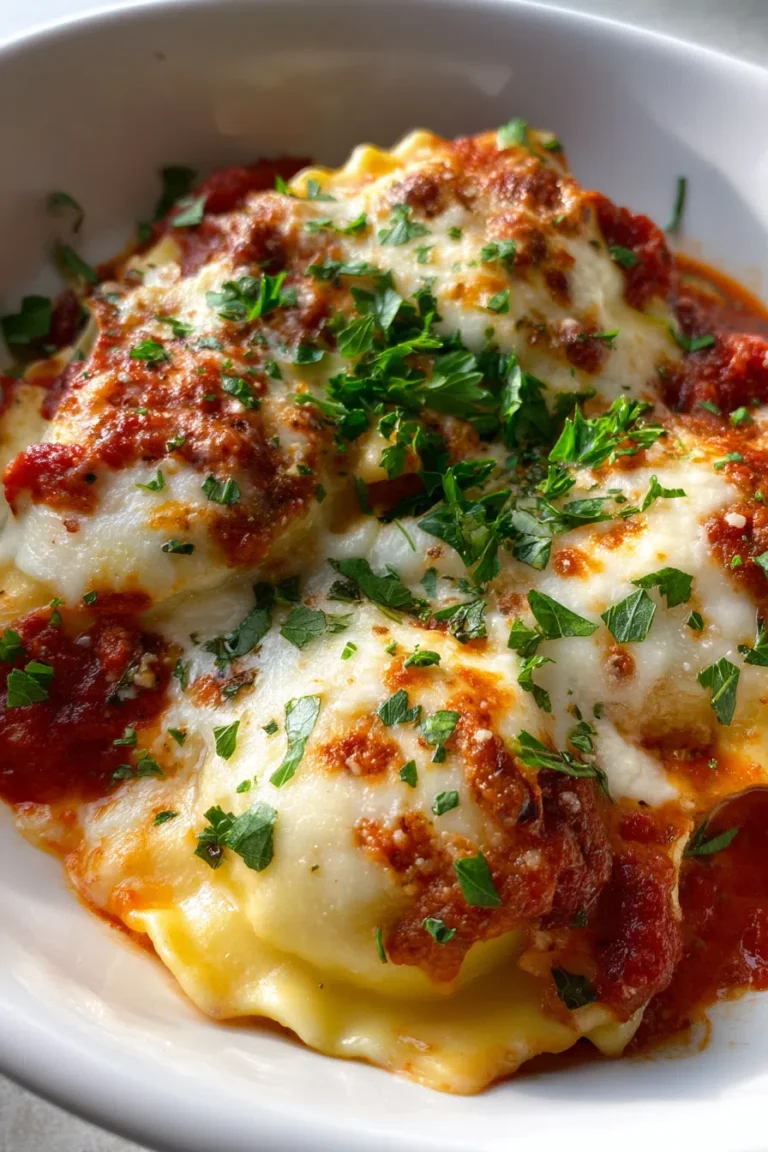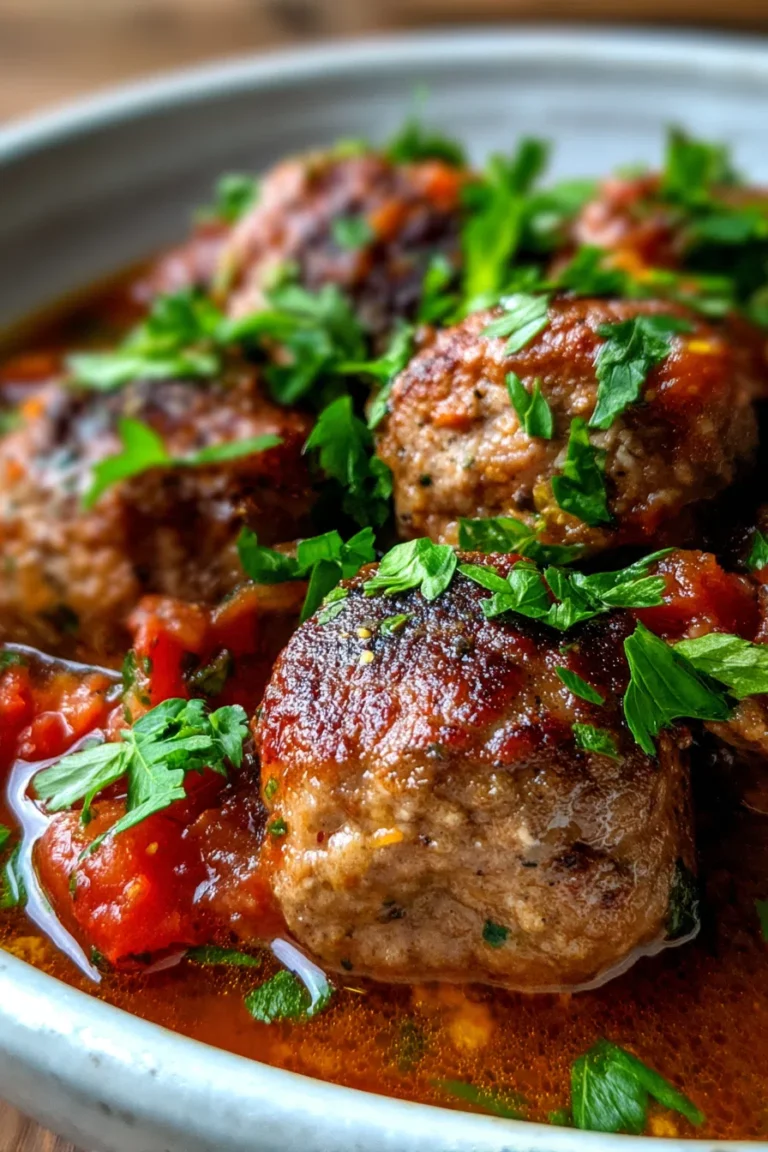
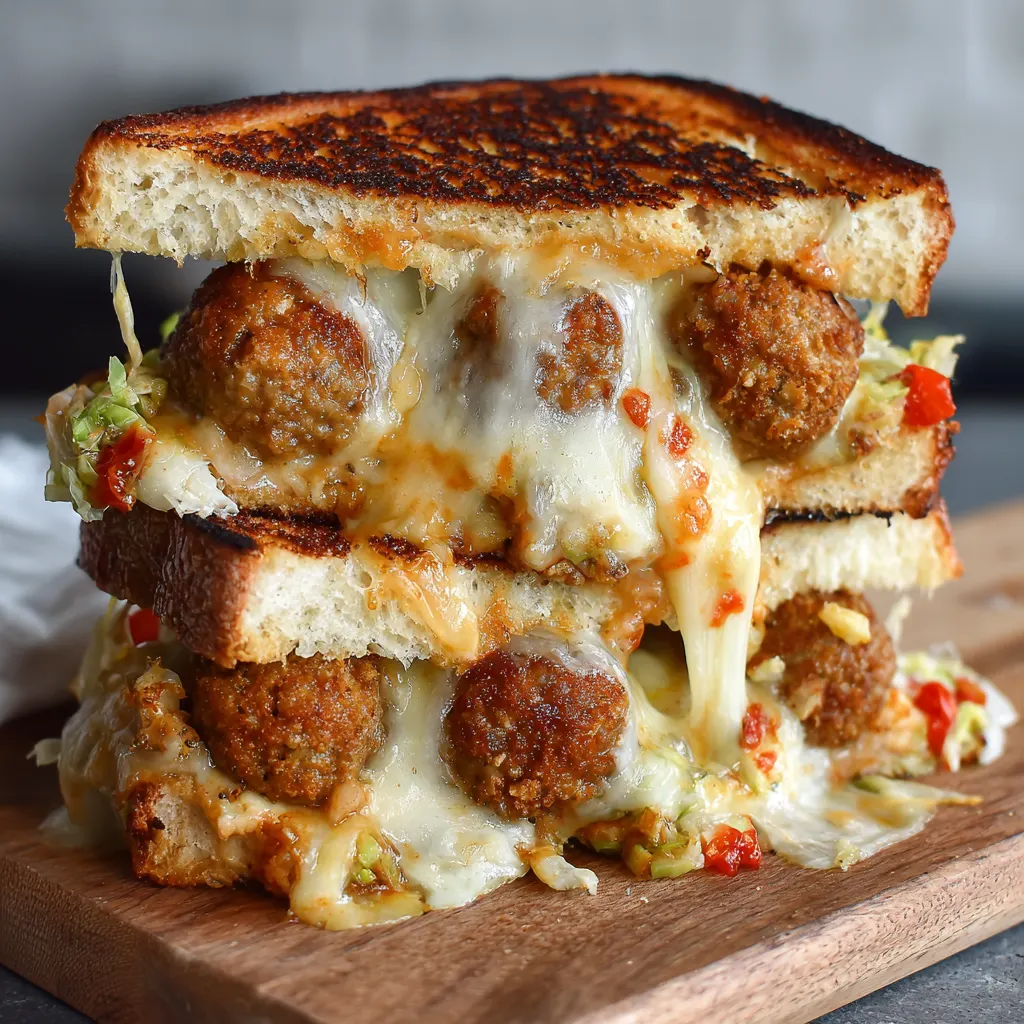
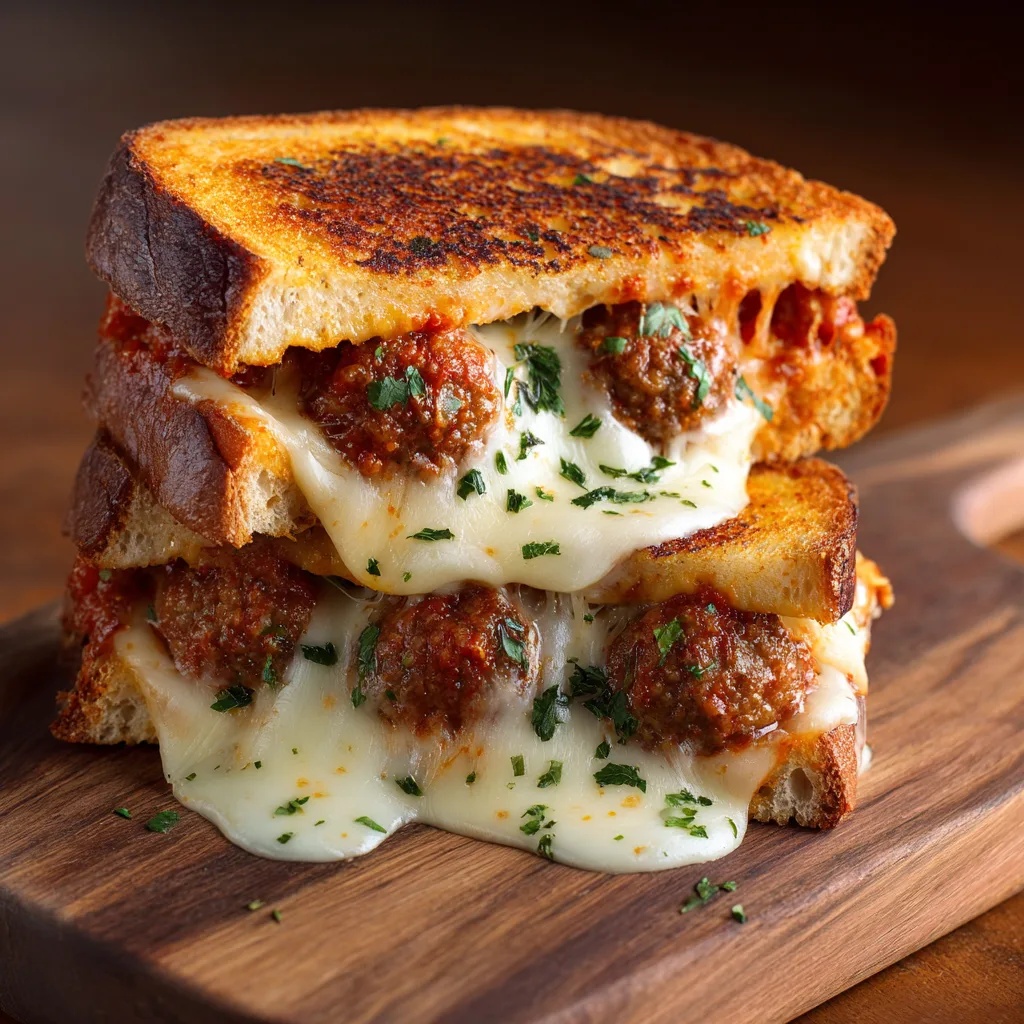
The meatball sub is the undisputed champion of comfort sandwiches, and the Gooey Triple-Cheese Meatball Melt elevates this classic to an art form. It’s a study in texture: the tender, perfectly seasoned meatball, the vibrant, simmering marinara, the crusty-yet-yielding hoagie roll, and the signature cascade of three melted cheeses that holds the entire creation together. This recipe delivers on its promise of flavor and satisfaction, offering a rich, savory, and intensely cheesy experience that transforms an ordinary meal into an indulgence.
Ingredients
For the Triple-Cheese Meatballs
-
1.5 lbs ground meat (a mix of 1 lb ground beef and 0.5 lb ground pork is recommended)
-
½ cup Panko breadcrumbs (or traditional breadcrumbs)
-
⅓ cup whole milk or water
-
½ cup freshly grated Parmesan cheese
-
1 large egg, lightly beaten
-
¼ cup finely chopped yellow onion
-
2 cloves garlic, minced
-
2 teaspoons Italian seasoning
-
1 teaspoon kosher salt
-
½ teaspoon black pepper
-
8 ounces fresh or low-moisture block mozzarella, cut into 16-20 small 1-inch cubes for stuffing
For the Marinara Sauce
-
2 tablespoons olive oil
-
1 yellow onion, chopped
-
4 cloves garlic, minced
-
1 (28-ounce) can crushed tomatoes
-
1 (15-ounce) can tomato sauce
-
1 teaspoon dried oregano
-
½ teaspoon crushed red pepper flakes (optional, for heat)
-
1 teaspoon granulated sugar
-
Salt and black pepper to taste
-
½ cup fresh basil leaves, chopped
For the Melt Assembly
-
4 large, high-quality Italian hoagie rolls or sub rolls
-
6 ounces sliced or shredded Provolone cheese
-
Extra Parmesan cheese and fresh basil for garnish
Instructions
1. Prepare the Meatball Mixture
-
In a large bowl, combine the breadcrumbs and milk (or water) to create a panade. Let stand for 5 minutes until the liquid is absorbed.
-
Add the ground meat, Parmesan cheese, egg, chopped onion, minced garlic, Italian seasoning, salt, and pepper to the bowl.
-
Using clean hands, mix the ingredients until just combined. Do not overmix, as this will result in tough meatballs. The mixture should be very moist but still hold its shape.
2. Stuff and Shape the Meatballs
-
Take a portion of the meat mixture (about 2 tablespoons) and flatten it into a small disc in your palm.
-
Place one mozzarella cube in the center of the disc.
-
Carefully fold the edges of the meat around the cheese, sealing the mozzarella completely. Roll it into a smooth, firm ball. It is crucial to ensure there are no cracks or exposed cheese, as this will prevent leakage during cooking. Repeat until all meat and cheese are used, yielding about 16-20 meatballs.
3. Cook the Meatballs
-
Preheat the oven to 375°F (190°C). Line a rimmed baking sheet with parchment paper or foil.
-
Alternatively, for a deeper flavor, you may sear the meatballs: Heat 1 tablespoon of olive oil in a large skillet over medium-high heat. Brown the meatballs on all sides (about 3-4 minutes total), then transfer them to the prepared baking sheet.
-
Bake the meatballs for 15–20 minutes, or until cooked through and no longer pink inside.
4. Simmer the Marinara Sauce
-
While the meatballs bake, prepare the sauce. Heat 2 tablespoons of olive oil in a large pot or Dutch oven over medium heat. Add the chopped onion and sauté for 5–7 minutes until softened.
-
Add the minced garlic and red pepper flakes (if using), and cook for 1 minute until fragrant.
-
Pour in the crushed tomatoes and tomato sauce. Stir in the oregano, sugar, salt, and pepper. Bring to a simmer, then reduce heat to low and cook for at least 15 minutes, stirring occasionally.
-
Once the meatballs are baked, gently transfer them into the simmering marinara sauce. Stir to coat and allow them to finish cooking in the sauce for 5–10 minutes. Stir in the fresh basil just before assembly.
5. Assemble and Melt the Sub
-
Preheat your oven’s broiler to high, or set your oven to 400°F (200°C).
-
Slice the hoagie rolls lengthwise, cutting about ¾ of the way through (keeping the back hinge intact). Lightly toast the rolls for 1-2 minutes in the oven or broiler until lightly golden.
-
Spoon a small amount of marinara sauce onto the bottom of each roll.
-
Arrange 4–5 meatballs inside each roll. Spoon extra sauce over the meatballs.
-
Top the meatballs and sauce generously with the shredded or sliced Provolone cheese.
-
Place the assembled subs open-faced on the baking sheet and transfer them to the broiler or oven. Broil for 2–4 minutes (watching constantly to prevent burning) until the cheese is melted, gooey, and bubbling with slightly browned edges.
-
Remove immediately, garnish with extra grated Parmesan and fresh basil, and serve hot.
Mastering the Meatballs: Texture, Flavor, and Stuffing Secrets
The integrity of a great meatball melt lies in the quality of the meatball itself. The goal is a tender, moist, and perfectly spherical shell that securely encases the molten core of cheese. Achieving this requires attention to three critical details: the meat blend, the binder, and the sealing technique.
The Ideal Meat Blend and Binder
The most flavorful meatballs typically utilize a blend of ground beef and ground pork. Ground beef (80/20 is ideal for flavor and moisture) provides the rich, familiar taste, while the ground pork adds a crucial amount of fat that keeps the meatballs exceptionally tender and prevents them from drying out during cooking. For an ultra-tender result, many top recipes use a panade—a mixture of breadcrumbs soaked in milk or water—as the primary binder. This not only binds the meat but infuses moisture directly into the mixture, resulting in a lighter texture than using breadcrumbs alone.
The Key to Juicy Texture
A common mistake is overmixing the meat. When the mixture is worked too much, the proteins bind too tightly, leading to a tough, dense meatball. Use your hands and mix only until the ingredients are just incorporated. The mixture should be uniform but still somewhat loose. If the mixture feels too dry to hold its shape, adding a tablespoon of water or milk can restore the necessary moisture without compromising the texture.
Sealing the Gooey Center
The “gooey triple-cheese” factor begins with stuffing the core. Mozzarella, whether fresh or low-moisture, is the top choice for stuffing due to its incredible melt and stretch.
-
Prep the Cheese: Cut the cheese into small, manageable cubes (about 1 inch). Small, firm pieces are easier to handle than shredded cheese.
-
The Enclosure: Take your portion of meat, flatten it into a disc, place the cheese in the center, and meticulously wrap the meat around it. The golden rule is simple: the cheese must be completely sealed. Any exposed cheese will ooze out onto the baking sheet, leading to a dry interior and a messy pan. Using slightly damp hands when shaping can help prevent the meat mixture from sticking and ensures a smooth, crack-free exterior.
-
Bake vs. Fry: While pan-frying imparts a delicious crust, baking is often safer for stuffed meatballs as it minimizes handling and allows the shell to set before the cheese melts, further reducing the risk of a leak. A quick sear followed by baking combines the best of both worlds.
The Triple-Cheese Difference: Achieving the Perfect Gooey Pull
The “Triple-Cheese” designation is what truly sets this melt apart, providing layers of flavor and, most importantly, achieving that signature gooey, stringy pull. The three cheeses should be chosen for their complementary melting properties and flavor profiles.
Strategic Cheese Selection
-
The Stuffer (Internal Goo): Mozzarella. This is the melting MVP. Whether using fresh mozzarella balls (drained well) or low-moisture block mozzarella, this cheese provides the high-moisture, stretchy melt that defines the “gooey” texture.
-
The Topper (External Melt): Provolone or Fontina. For the ultimate top layer, you need a cheese that melts beautifully but also offers a more complex, savory flavor than mozzarella alone. Provolone (especially sharp provolone) provides a salty, slightly tangy profile, while Fontina melts like velvet and adds a nutty, buttery depth. A combination of these two is exceptional, but Provolone is the most common choice for a true sub melt.
-
The Enhancer (Internal Flavor): Parmesan or Pecorino Romano. These hard Italian cheeses are grated and mixed directly into the meatball mixture. They do not contribute to the “gooey” factor but infuse the meat with a sharp, salty, umami kick, creating a deeper, more savory foundation. A final sprinkle on top of the finished melt also adds a sharp contrast to the rich marinara.
Tips for the Ultimate Melt
The final step—the melt—is crucial. Broiling is the fastest route to a golden, bubbly top layer, but it requires vigilance.
-
Freshly Shredded is Best: Avoid pre-shredded cheese if possible. Pre-packaged shredded cheese contains starches and anti-caking agents that inhibit melting, resulting in a grainy or clumpy texture. Shredding block cheese yourself ensures a cleaner, smoother, and stretchier melt.
-
The Broiler Watch: When using a broiler, position the sub rolls on a baking sheet 6 to 8 inches below the heat source. Broiling takes only 2–4 minutes, depending on the oven’s intensity. Do not walk away. The goal is melted, slightly blistered, and golden-brown patches, not charred bread.
-
Open-Faced Assembly: Always melt the cheese on an open-faced sandwich before closing the top. This ensures even melting and toasting of the cheese layer.
Sauce & Sub Strategy: Elevating the Marinara and the Bread
The Meatball Melt is defined by its components, but they must be delivered on a vehicle worthy of the filling: the perfect roll, perfectly saturated with a deeply flavorful sauce.
The Marinara: Homemade Flavor, Shortcut Convenience
While a scratch-made marinara sauce offers the best depth, a high-quality jarred sauce is a perfectly acceptable shortcut for a busy weeknight. If using jarred sauce, you can still elevate the flavor significantly:
-
The Aromatic Base: Start by sautéing fresh aromatics (onion, garlic, and a pinch of red pepper flakes) in olive oil before adding the sauce. This builds a foundation of flavor that transforms a simple jarred sauce.
-
Simmering is Key: Once the meatballs are added to the sauce, allow them to simmer together for at least 10 minutes. This process allows the meatballs to fully absorb the sauce’s flavors while simultaneously releasing their own seasoned juices into the marinara, creating a harmonious and cohesive dish. The sugar added to the sauce helps cut the acidity of the tomatoes, balancing the overall flavor profile.
-
The Fresh Finish: Stir in a generous amount of fresh basil at the very end. The high heat of cooking quickly dulls fresh herb flavor, so incorporating it late ensures a bright, fragrant finish.
Choosing and Preparing the Hoagie Roll
The bread choice can make or break a melt. A roll that is too soft will turn mushy immediately upon contact with the sauce; one that is too crusty can be difficult to bite through and may burn under the broiler.
-
The Best Roll: Opt for a high-quality Italian hoagie roll or a medium-crust sub roll. It should have a slightly firm exterior to hold the structure but a soft, airy interior to absorb the sauce.
-
Strategic Toasting: Toasting the rolls before assembly is vital. It creates a barrier that slows down the absorption of the marinara, preventing the sandwich from becoming soggy too quickly. A light toast under the broiler or in a 350°F oven for 2–3 minutes is all that’s required.
-
The Layering Principle: Always apply a thin layer of sauce to the bread first, followed by the meatballs, and then the cheese. This anchors the components and ensures the bread has immediate contact with the protective sauce layer.
Variations, Prep, and Serving Suggestions
The versatility of the Gooey Triple-Cheese Meatball Melt means it can be adapted for dietary needs, used in multiple formats, and prepared ahead of time to make weeknight cooking effortless.
Make-Ahead and Storage
Both the meatballs and the marinara sauce are excellent candidates for advance preparation, making this an ideal recipe for batch cooking.
-
Meatballs: Cooked meatballs (without sauce) can be stored in an airtight container in the refrigerator for up to 4 days or frozen for up to 3 months. To freeze, arrange them in a single layer on a baking sheet, freeze until solid, and then transfer to a freezer bag.
-
Sauce: Marinara sauce can be made 3-5 days in advance and stored in the refrigerator.
-
Assembly: When ready to serve, thaw the meatballs, simmer them in the warm sauce, and proceed with the assembly and broiling steps. This dramatically reduces the active cooking time to just minutes.
Flavor and Ingredient Variations
While the classic Italian-American flavors are paramount, small adjustments can tailor the recipe to your preference:
-
Spicier Kick: Double the amount of crushed red pepper flakes in the sauce, or mix a teaspoon of Calabrian chili paste into the meatball mixture for internal heat.
-
Alternative Cheeses: For the internal stuffing, experiment with smoked mozzarella for a deeper flavor. For the topping, Gruyère offers a nutty, savory profile, and Cheddar can be substituted for Provolone if a sharper taste is desired.
-
Lighter Meat: For a leaner option, substitute ground turkey or chicken for the beef and pork blend. If doing so, ensure the panade is very moist and consider adding a tablespoon of olive oil to the mixture, as leaner meats dry out more easily.
Creative Serving Methods
While the hoagie roll is the traditional format, these cheesy, saucy meatballs are fantastic in other applications:
-
Meatball Sliders: Use small dinner rolls or brioche buns instead of hoagies. Assemble as directed but serve as bite-sized appetizers or party food.
-
Over Pasta: Serve the meatballs and sauce over a bed of spaghetti, penne, or rigatoni, topped with a final layer of melted cheese.
-
Meatball Casserole: Layer the meatballs and sauce in a baking dish, top with the three cheeses, and bake uncovered until the cheese is deeply golden and bubbly. Serve with crusty bread on the side for dipping into the rich sauce.