French Toast Morning Meals for a Crowd
French toast: the golden, custardy delight that elevates any breakfast or brunch. But when you’re feeding a crowd, the thought of standing over a hot griddle, flipping individual slices, can feel daunting. Fear not! This guide unlocks the secrets to making delicious French toast for a large group, without the stress. We’ll explore easy recipes, make-ahead tips, and creative serving ideas to impress your guests.
Mastering the Crowd-Pleasing French Toast
The key to successful French toast for a crowd lies in efficiency and smart planning. Forget individually pan-frying each slice; instead, embrace techniques that streamline the process and ensure consistent results. This section focuses on the essential aspects of making large batches of French toast.
Choosing the Right Bread
The foundation of great French toast is, of course, the bread. Here are a few excellent choices, keeping in mind texture and flavor:
- Challah: Rich, eggy, and slightly sweet, challah absorbs the custard beautifully and creates a luxurious French toast. Its sturdy structure holds up well during soaking and baking.
- Brioche: Similar to challah, brioche is another enriched dough bread that yields a decadent French toast. Look for loaves that are slightly stale for optimal absorption.
- Texas Toast: Thick slices of Texas toast provide ample surface area for soaking and create a hearty, satisfying French toast.
- French Bread: While less rich than challah or brioche, French bread offers a pleasant chewiness and mild flavor. It’s a good option if you prefer a less sweet French toast.
- Sourdough: For a tangy twist, sourdough makes a surprisingly delicious French toast. The acidity balances out the sweetness of the custard.
Ideally, use bread that’s a day or two old. Slightly stale bread absorbs the custard better without becoming soggy. Cut the bread into slices about 1 inch thick.
Crafting the Perfect Custard
The custard is where the magic happens, transforming ordinary bread into golden perfection. Here’s a classic custard recipe that can be easily scaled up for a crowd:
- Eggs: The foundation of the custard, providing richness and structure.
- Milk or Cream: Adds moisture and creaminess. Whole milk or heavy cream creates a richer, more decadent French toast. You can also use dairy-free alternatives like almond milk or oat milk.
- Sugar: Sweetens the custard and helps create a caramelized crust. Granulated sugar, brown sugar, or maple syrup can be used.
- Vanilla Extract: Enhances the flavor and adds a touch of warmth.
- Spices: Cinnamon, nutmeg, and cardamom are classic additions that complement the flavors of French toast.
Classic Custard Recipe (Adjust for Quantity):
- 6 large eggs
- 1 cup milk or cream
- 2 tablespoons sugar
- 1 teaspoon vanilla extract
- ½ teaspoon ground cinnamon
- ¼ teaspoon ground nutmeg (optional)
Whisk all ingredients together until well combined. For larger quantities, use an immersion blender or stand mixer to ensure a smooth and even custard.
Soaking and Cooking Techniques
This is where individual slice cooking goes out the window! Here are two effective techniques for cooking French toast for a crowd:
-
- Baked French Toast Casserole: This is arguably the easiest and most hands-off method. Simply soak the bread in the custard, arrange it in a baking dish, and bake until golden brown and puffy. This method is ideal for make-ahead breakfasts.
Instructions: Preheat oven to 350°F (175°C). Grease a large baking dish (9x13 inch or larger depending on the crowd size). Dip each bread slice in the custard mixture, ensuring it's well saturated. Arrange the soaked bread in the baking dish in a single layer or slightly overlapping. Pour any remaining custard over the bread. Bake for 30-40 minutes, or until golden brown and set.
-
- Sheet Pan French Toast: A faster alternative to the casserole, this method involves baking the soaked bread on a sheet pan in the oven. This allows for more even cooking and a slightly crispier texture.
Instructions: Preheat oven to 425°F (220°C). Line a large baking sheet with parchment paper. Dip each bread slice in the custard mixture, ensuring it's well saturated. Arrange the soaked bread in a single layer on the prepared baking sheet. Bake for 12-15 minutes, flipping halfway through, until golden brown and cooked through.
Make-Ahead Magic: Preparing in Advance
One of the biggest advantages of making French toast for a crowd is the ability to prepare it in advance. This allows you to enjoy your time with your guests instead of being stuck in the kitchen.
Assembling the Casserole the Night Before
Preparing the French toast casserole the night before is a game-changer. Assemble the casserole as directed, cover it tightly with plastic wrap, and refrigerate overnight. This allows the bread to fully absorb the custard, resulting in an even more flavorful and custardy French toast.
In the morning, simply preheat the oven and bake as directed. You may need to add a few extra minutes to the baking time if the casserole is very cold.
Freezing for Future Feasts
French toast can also be frozen for longer-term storage. Bake the French toast casserole or sheet pan French toast as directed, then let it cool completely. Cut the casserole into individual portions or leave the sheet pan French toast whole. Wrap tightly in plastic wrap and then in aluminum foil, or store in freezer-safe bags.
To reheat, thaw overnight in the refrigerator or bake directly from frozen at 350°F (175°C) until heated through.
Serving Suggestions and Creative Toppings
French toast is delicious on its own, but the right toppings can elevate it to a whole new level. Get creative with your toppings to create a memorable breakfast experience.
Classic Toppings
These are the tried-and-true toppings that never disappoint:
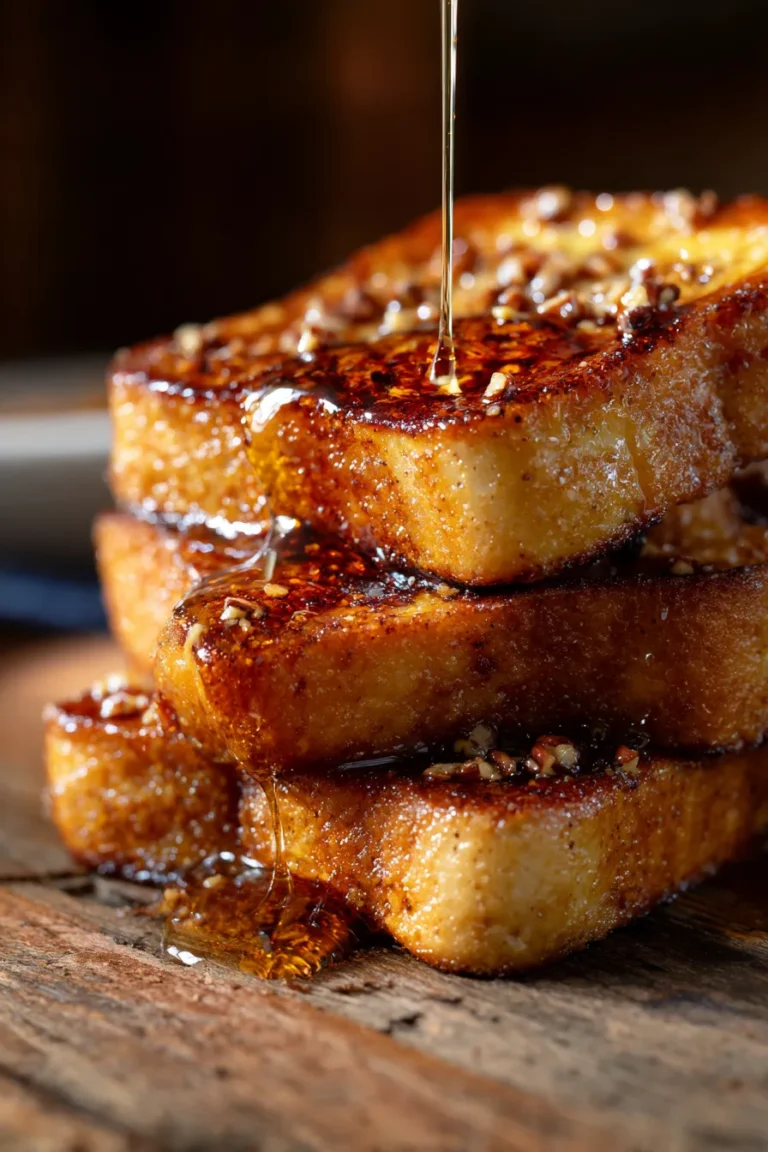
- Maple Syrup: The classic choice, adding a touch of sweetness and warmth.
- Butter: A pat of butter melting into the warm French toast is pure comfort.
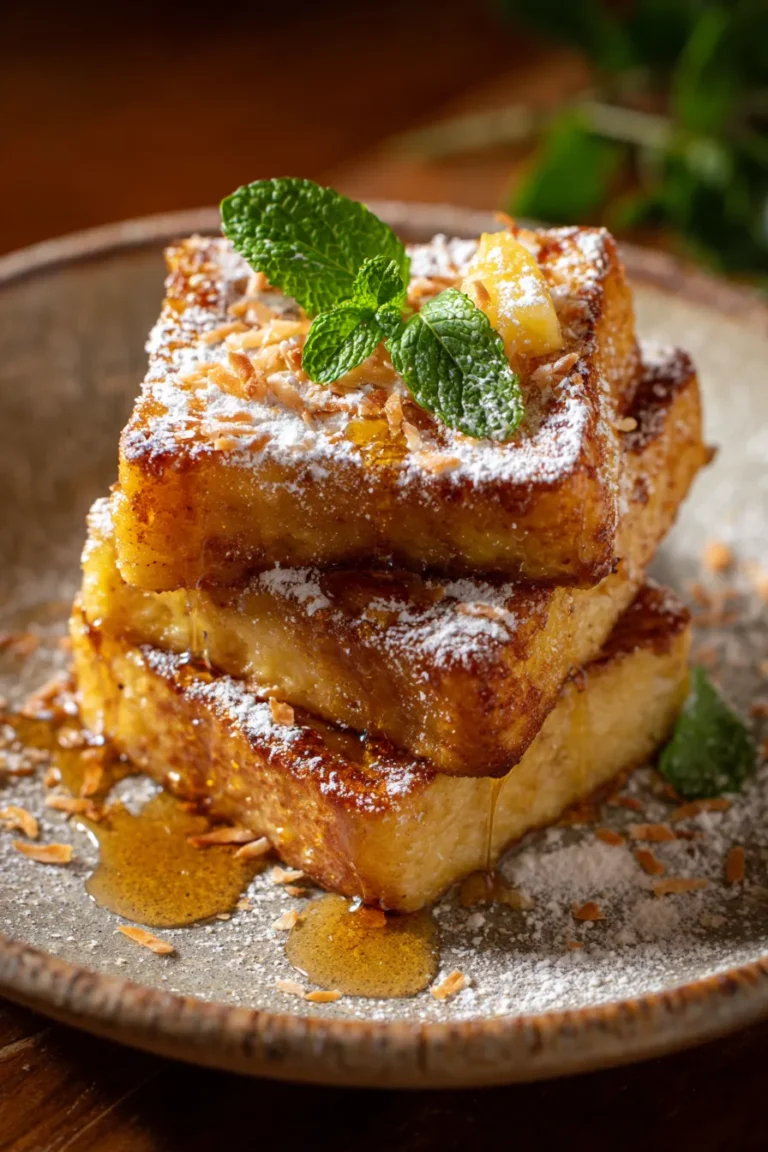
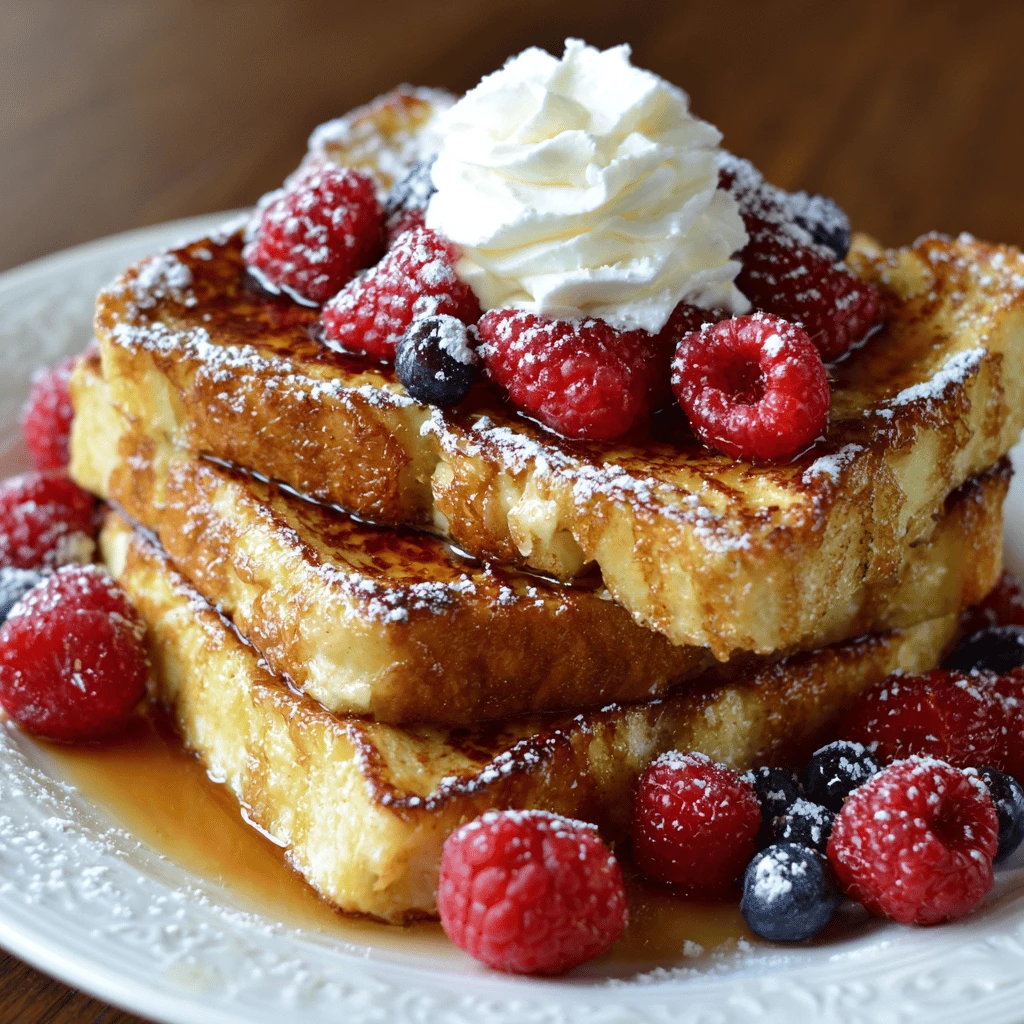
- Powdered Sugar: Adds a delicate sweetness and visual appeal.
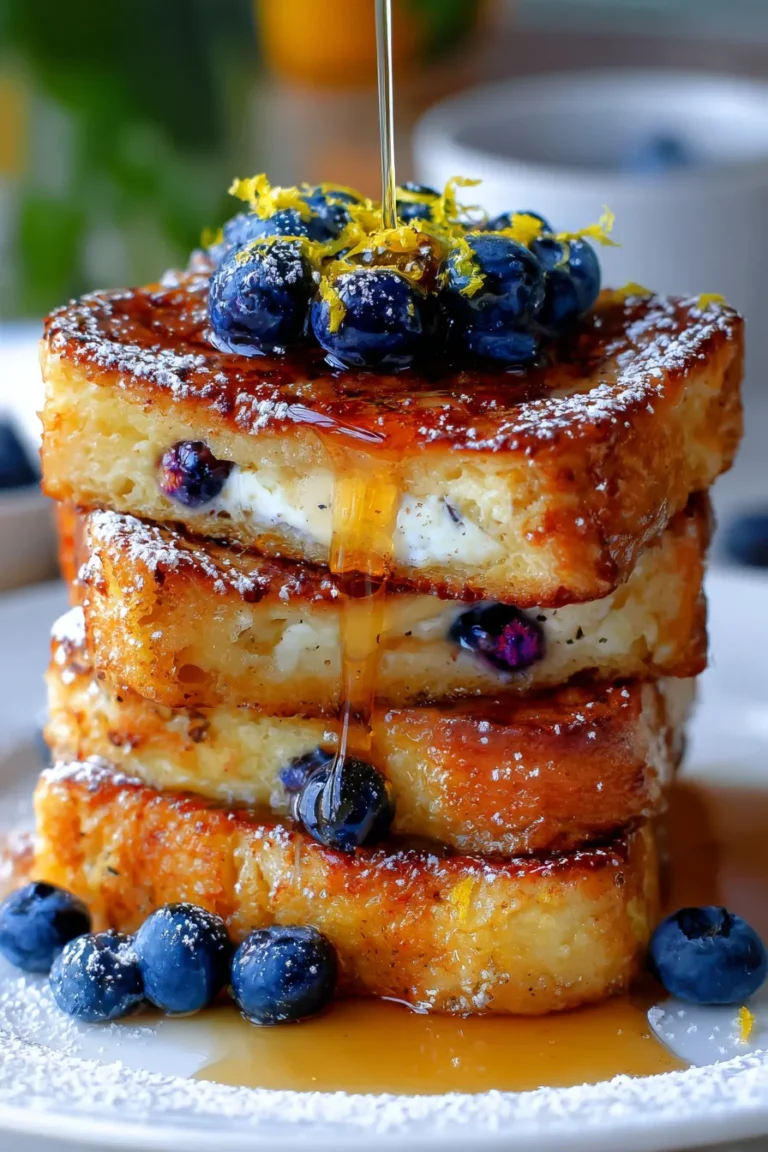
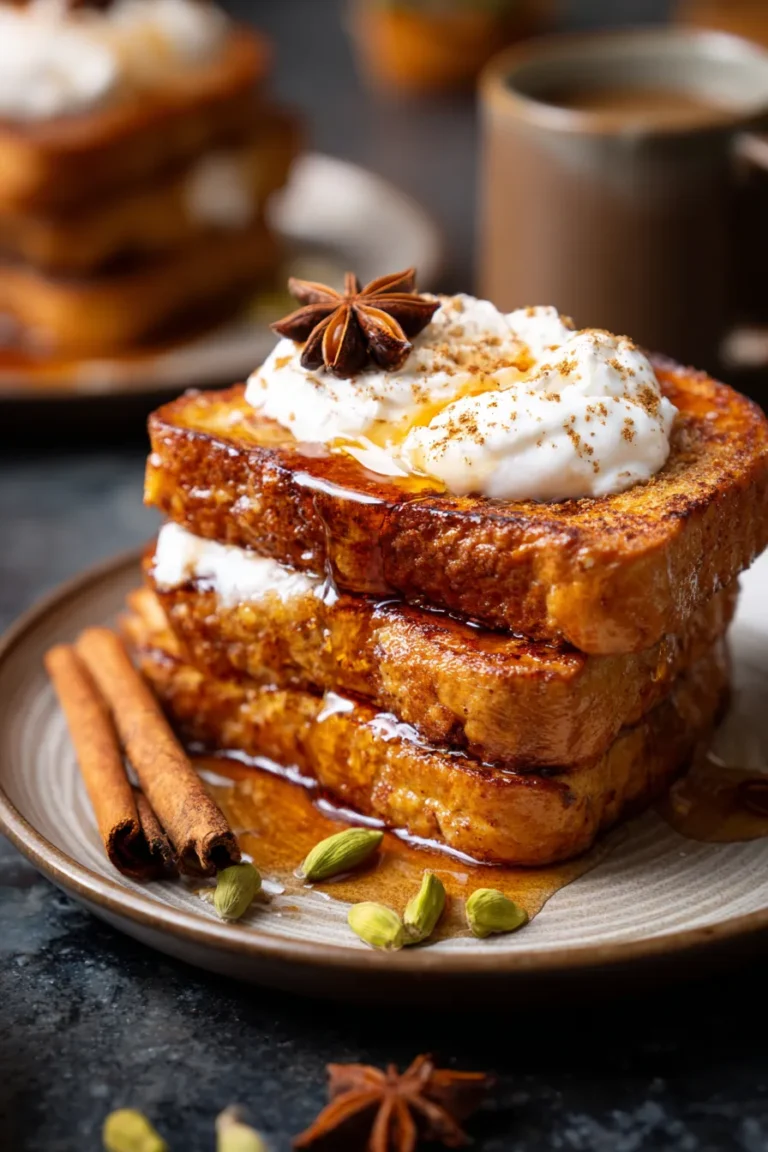
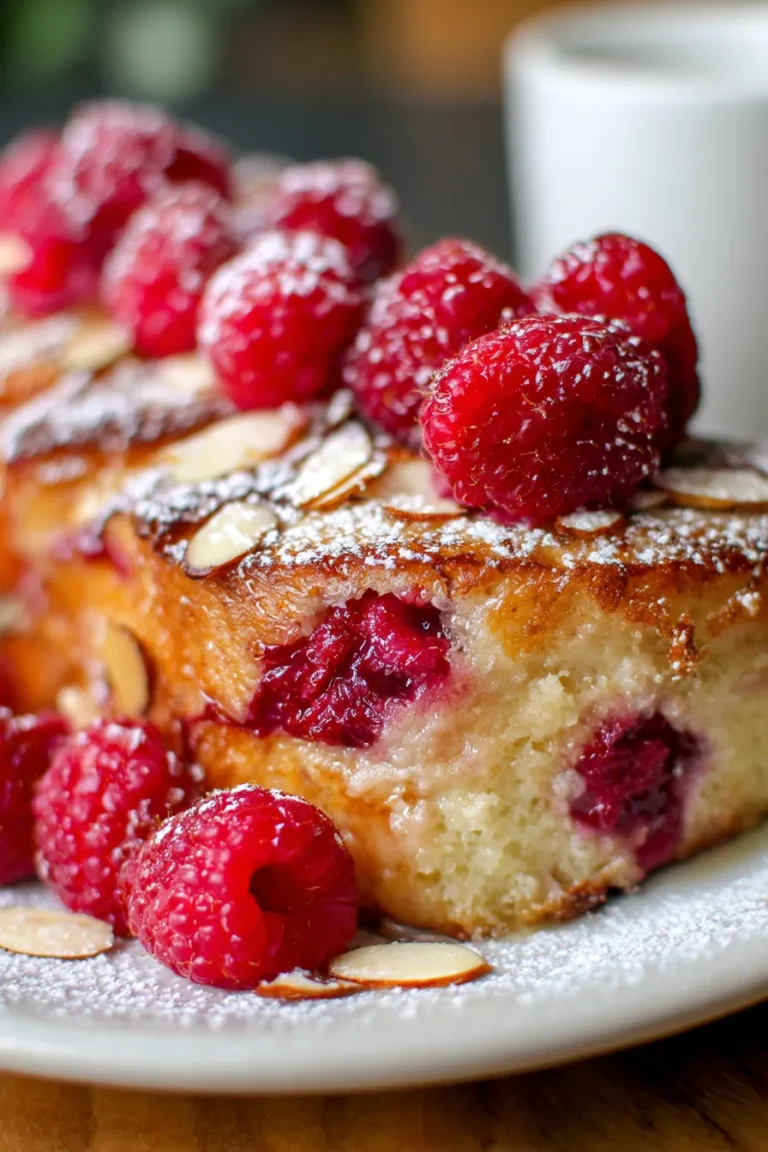
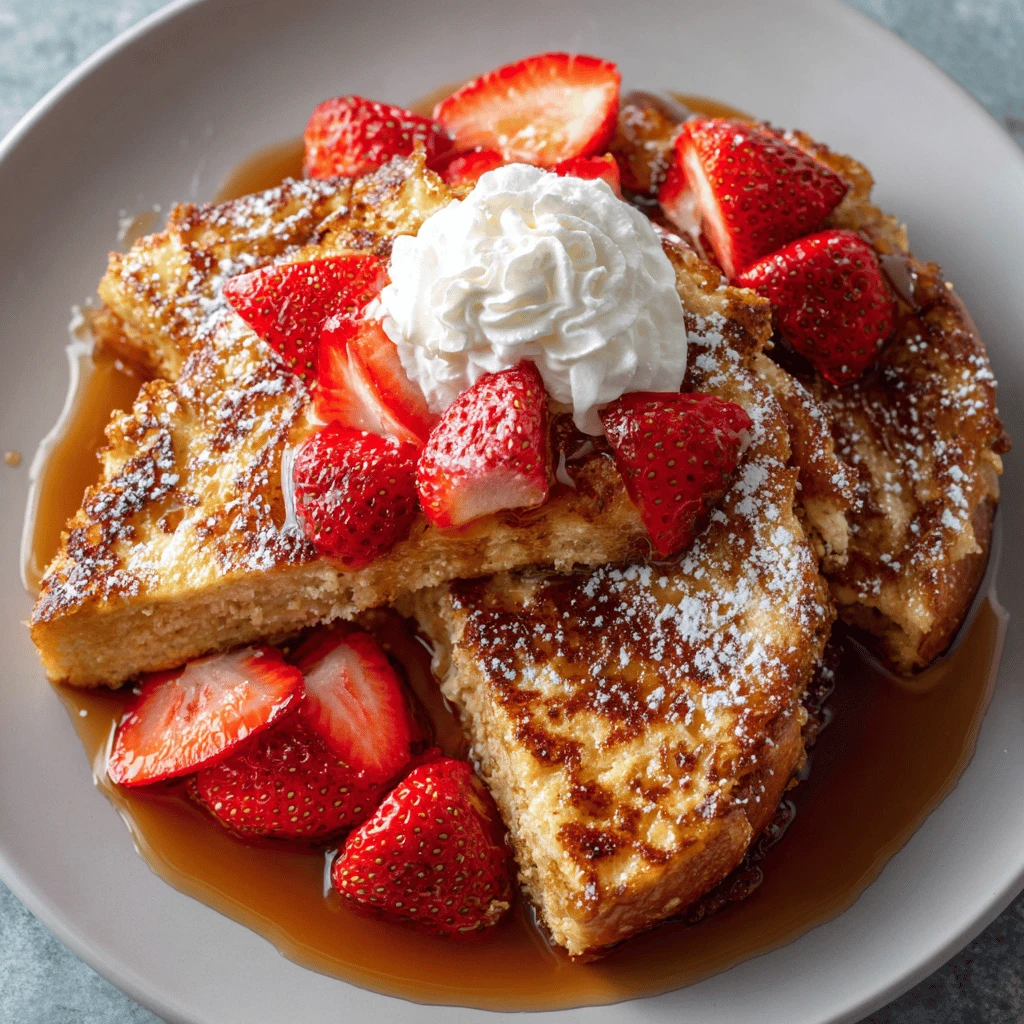
- Fresh Berries: Strawberries, blueberries, raspberries, and blackberries add a burst of freshness and color.
- Whipped Cream: A dollop of whipped cream adds a touch of luxury.
Elevating Your French Toast
Want to take your French toast to the next level? Try these creative toppings:
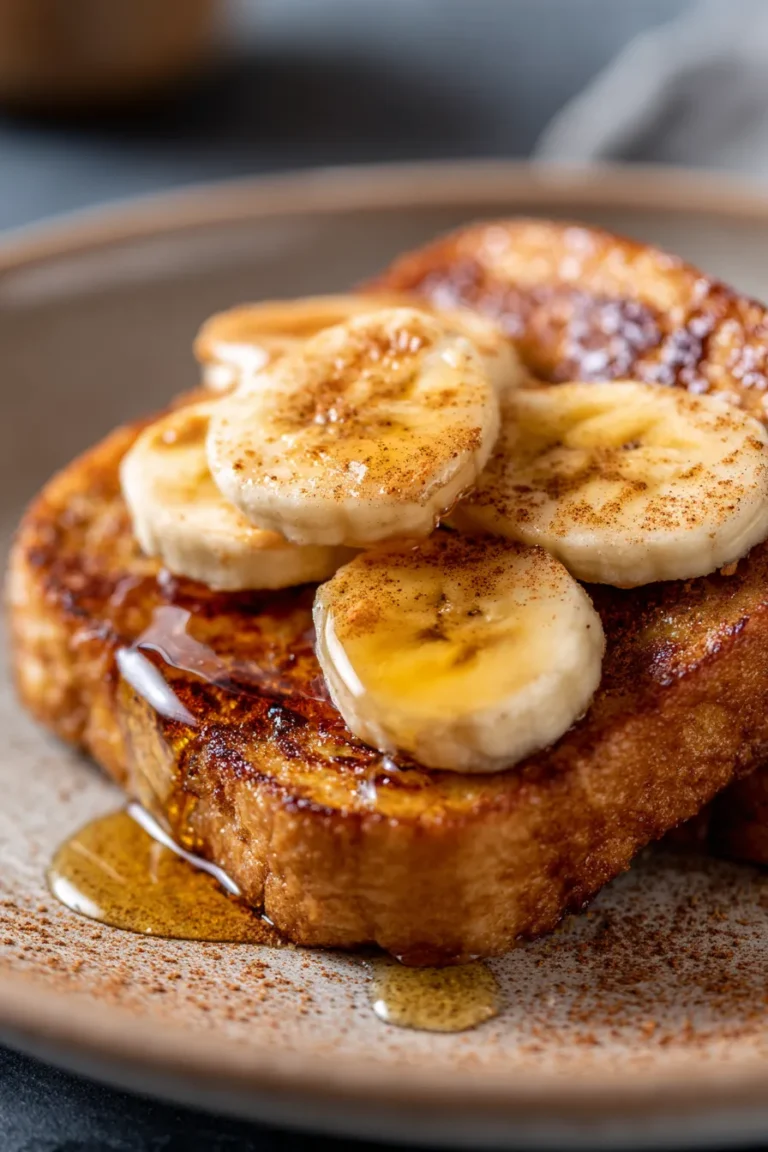
- Caramelized Bananas: Sautéed bananas with butter and brown sugar create a decadent and flavorful topping.
- Nutella: A spoonful of Nutella adds a rich, chocolatey hazelnut flavor.
- Peanut Butter: A drizzle of peanut butter adds a creamy, nutty element.
- Fruit Compote: A homemade fruit compote, made with seasonal fruits, adds a touch of elegance.
- Toasted Nuts: Toasted pecans, walnuts, or almonds add a satisfying crunch.
- Lemon Curd: The tangy sweetness of lemon curd pairs perfectly with the richness of French toast.
- Chocolate Sauce: A drizzle of chocolate sauce is always a crowd-pleaser.
Sweet and Savory Pairings
Don’t be afraid to experiment with savory pairings! French toast can be surprisingly versatile.
- Bacon or Sausage: Crispy bacon or savory sausage provides a salty counterpoint to the sweetness of the French toast.
- Fried Eggs: A fried egg on top of French toast is a classic brunch combination.
- Avocado: Sliced avocado adds a creamy and healthy element.
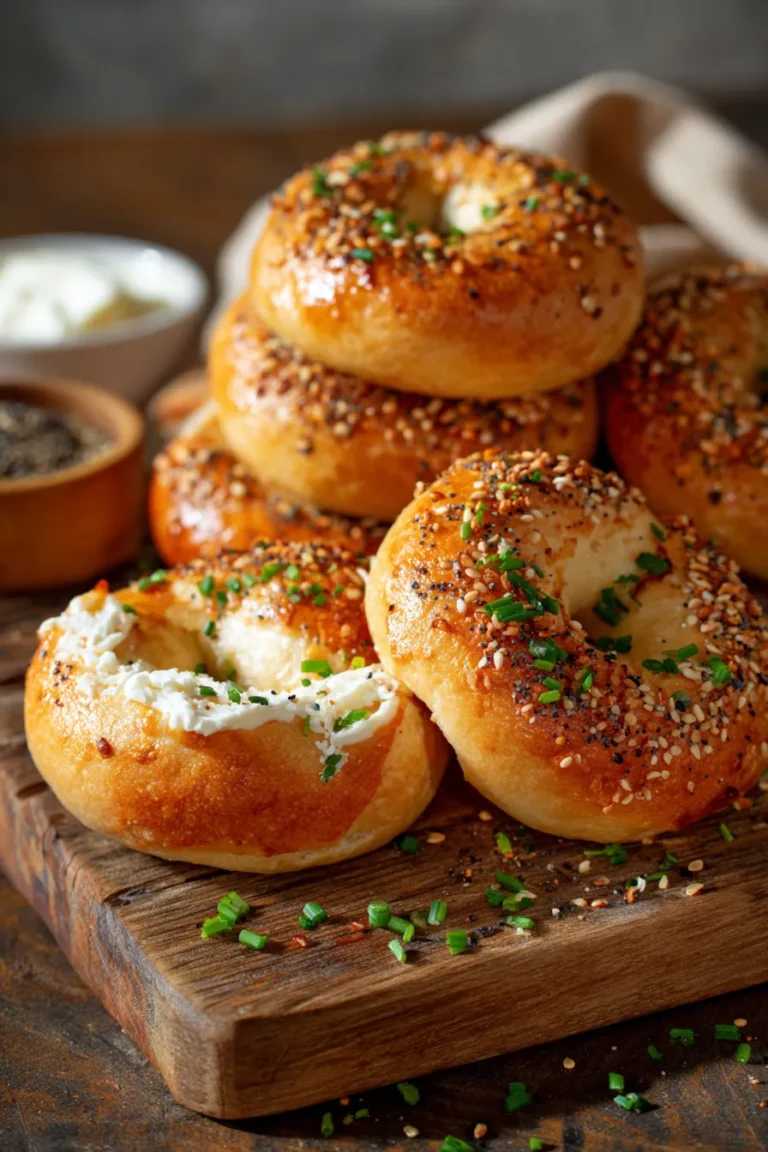
- Everything Bagel Seasoning: Sprinkle everything bagel seasoning on top of French toast for a savory twist.
Scaling the Recipe: Quantity Guide
To ensure you have enough French toast for everyone, use this guide to estimate the quantities needed based on the number of guests:
- 6 Guests: 1 loaf of bread (about 12 slices), 6 eggs, 1 cup milk, 2 tablespoons sugar, 1 teaspoon vanilla extract, ½ teaspoon cinnamon.
- 12 Guests: 2 loaves of bread (about 24 slices), 12 eggs, 2 cups milk, 4 tablespoons sugar, 2 teaspoons vanilla extract, 1 teaspoon cinnamon.
- 24 Guests: 4 loaves of bread (about 48 slices), 24 eggs, 4 cups milk, 8 tablespoons sugar, 4 teaspoons vanilla extract, 2 teaspoons cinnamon.
Adjust the quantities based on your guests’ appetites and whether you’re serving other dishes alongside the French toast. It’s always better to have a little extra than not enough!
Frequently Asked Questions (FAQ)
-
- Can I use day-old bread for French toast?
Yes! In fact, day-old bread is ideal for French toast. Slightly stale bread absorbs the custard better without becoming soggy.
-
- Can I make French toast ahead of time?
Absolutely! French toast casserole can be assembled the night before and baked in the morning. You can also bake French toast ahead of time and freeze it for longer-term storage.
-
- How do I prevent my French toast from being soggy?
Use slightly stale bread, don't over-soak the bread in the custard, and ensure the baking dish or sheet pan isn't overcrowded.
-
- Can I use milk alternatives in the custard?
Yes, you can use dairy-free alternatives like almond milk, oat milk, or soy milk in the custard. Keep in mind that the flavor and texture may be slightly different.
-
- What are some good toppings for French toast?
The possibilities are endless! Classic toppings include maple syrup, butter, powdered sugar, fresh berries, and whipped cream. For more creative options, try caramelized bananas, Nutella, peanut butter, fruit compote, or toasted nuts. You can even experiment with savory pairings like bacon, sausage, or fried eggs.
-
- How can I keep French toast warm if I make it in batches?
Preheat your oven to a low temperature (around 200°F or 93°C) and place the cooked French toast on a wire rack set over a baking sheet. This will help keep it warm without making it soggy.