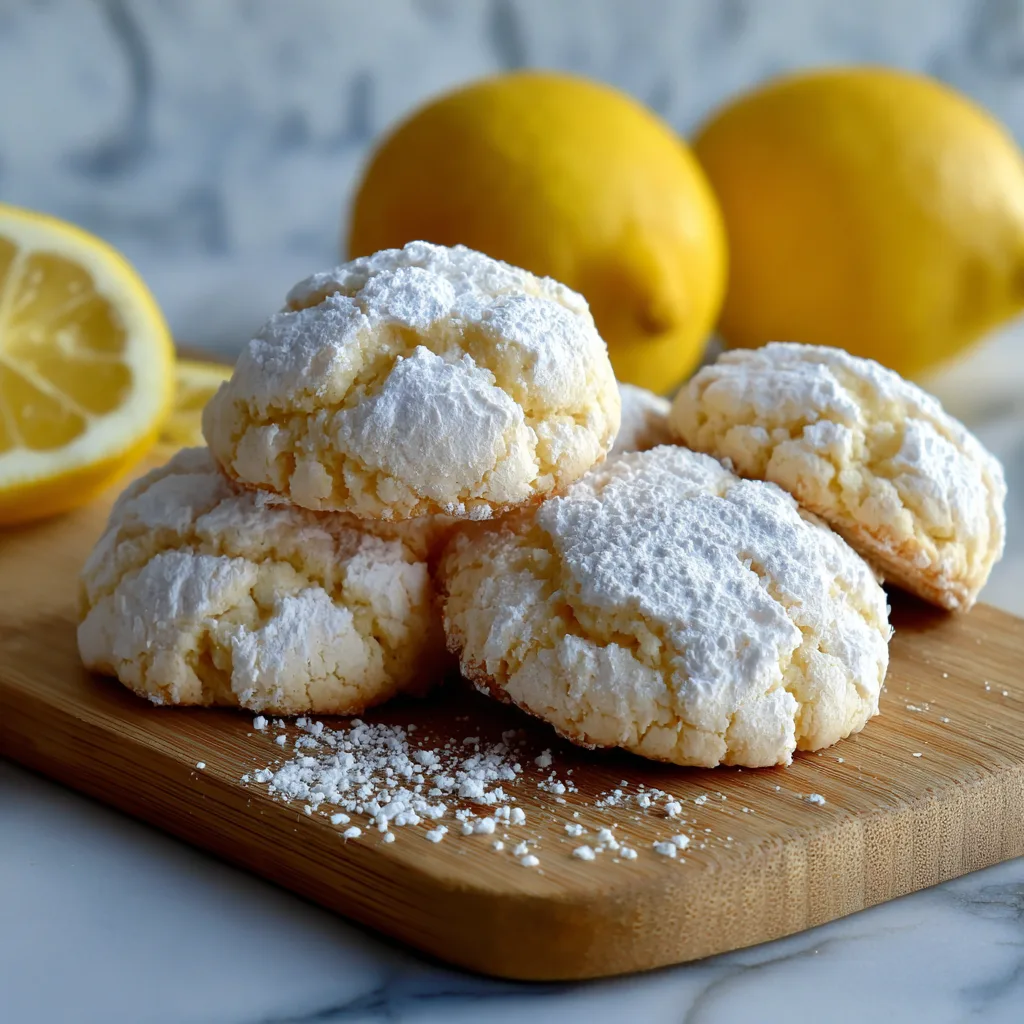
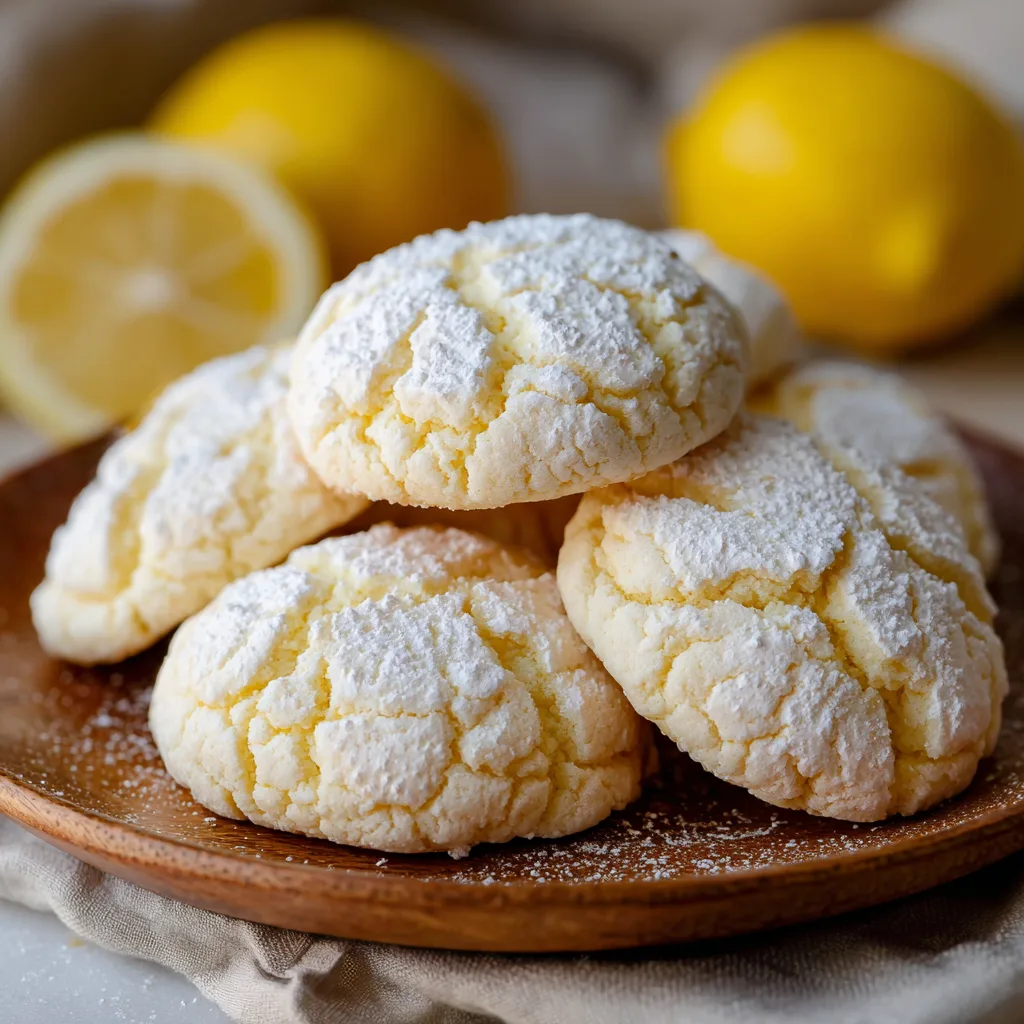
These cookies are the essence of sunshine captured in a delicate, plush treat. Dubbed “cloud cookies” for their exceptionally light, airy, and slightly chewy centers, they deliver a powerful, bright citrus punch balanced by a soft exterior dusted in sweet, powdery sugar. Achieving this signature texture is a blend of simple ingredients and specific baking techniques, resulting in a cookie that is irresistible all year round. Whether you enjoy them fresh from the oven or as a delightful item for a gift box, this master recipe ensures a perfect, melt-in-your-mouth experience every time.
The Master Recipe for Fluffy Lemon Cloud Cookies
Yields: 36 cookies Prep Time: 20 minutes (plus 3 hours chilling) Cook Time: 10–12 minutes
Ingredients
For the Cookies:
-
1 cup (2 sticks) unsalted butter, softened to room temperature
-
1 ½ cups granulated sugar, divided
-
2 tablespoons finely grated lemon zest (from 2 medium lemons)
-
1 large egg, room temperature
-
1 large egg yolk, room temperature
-
¼ cup fresh lemon juice
-
½ teaspoon pure lemon extract (optional, for maximum flavor)
-
2 ½ cups all-purpose flour (lightly scooped)
-
1 teaspoon baking powder
-
½ teaspoon baking soda
-
½ teaspoon kosher salt
-
¼ cup cornstarch (optional, for extra softness)
For the Coating:
-
1 cup confectioners’ sugar (powdered sugar)
Step-by-Step Baking Instructions
-
Combine Leaveners and Dry Ingredients: In a medium bowl, whisk together the flour, baking powder, baking soda, salt, and cornstarch (if using). Set aside.
-
Aerate the Butter and Sugar: In the bowl of a stand mixer fitted with the paddle attachment (or using a hand mixer), beat the softened butter and 1 cup of the granulated sugar on medium speed until the mixture is light and fluffy, about 2–3 minutes. Stop to scrape down the sides of the bowl as needed.
-
Add Wet Ingredients: Beat in the large egg and the egg yolk until just combined. Add the lemon zest, lemon juice, and lemon extract (if using). Continue mixing until fully incorporated, about 30 seconds. The mixture may look slightly curdled due to the acidity of the juice; this is normal.
-
Form the Dough: Gradually add the dry ingredient mixture to the wet mixture, mixing on the lowest speed until just combined. Stop mixing as soon as no streaks of flour remain to avoid developing excess gluten. The dough will be thick, creamy, and quite sticky due to the liquid lemon juice.
-
Chill (Mandatory Step): Cover the dough tightly with plastic wrap and refrigerate for a minimum of 3 hours, and preferably up to 4 hours. Chilling is crucial for managing the softness of the dough and preventing the cookies from spreading too much during baking.
-
Preheat and Scoop: Preheat your oven to 350°F (175°C). Line two baking sheets with parchment paper or silicone baking mats. Place the 1 cup of confectioners’ sugar into a shallow bowl.
-
Roll and Coat: Scoop the dough into 1-tablespoon sized portions. Roll each portion into a smooth ball. Drop the balls directly into the confectioners’ sugar and roll vigorously until they are completely and thickly coated. The thick, cold layer of powdered sugar is what creates the signature “crinkle” effect as the cookie puffs up.
-
Bake: Place the coated dough balls about 2 inches apart on the prepared baking sheets. Bake for 10 to 12 minutes, or until the edges are set and the centers still look slightly soft and puffed. The bottoms should be just lightly golden.
-
Cool: Let the cookies cool on the baking sheet for 5 minutes before transferring them to a wire rack to cool completely. The cookies will flatten slightly as they cool, revealing the fluffy interior and delightful crinkled exterior.
The Science of the “Cloud”: Achieving the Perfect Texture
The hallmark of the “Lemon Cloud Cookie” is its delicate, airy interior and soft, almost cakey texture. This is not accidental; it is the direct result of several key ingredients and techniques working in concert.
Understanding Leaveners and Fat
Unlike traditional flat, crispy cookies, cloud cookies rely on a balance of leavening agents—typically both baking powder and baking soda—to maximize lift.
-
Baking Soda & Acid: The lemon juice provides the necessary acid to fully activate the baking soda, resulting in a rapid gas release (carbon dioxide) that contributes to the initial rise and puffy center.
-
Baking Powder: This ensures a steady secondary lift, maintaining the volume and plushness during the bake.
-
The Creaming Method: Properly creaming the softened butter and sugar is the foundation of airiness. This process incorporates tiny air pockets into the fat. When heated, these air pockets expand, working with the chemical leaveners to create the light, cloud-like structure. If the butter is too cold, the air pockets won’t form; if it’s melted, the structure collapses.
The Role of Cornstarch and Egg Yolk
Many top recipes incorporate special moisture and binding agents to prevent the cookie from drying out or spreading too thinly:
-
Cornstarch: Adding a small amount of cornstarch to the dry ingredients inhibits gluten development in the flour. This results in a more tender crumb and a softer, less dense cookie, directly contributing to the “fluffy” mouthfeel.
-
Extra Egg Yolk: Including an extra egg yolk, as specified in the master recipe, adds richness (fat) and acts as an emulsifier, binding moisture without adding excessive structural protein, thus keeping the center soft and slightly chewy.
Maximizing the Bright Lemon Flavor Profile
A truly outstanding lemon cookie requires a depth of citrus flavor that goes beyond simple juice. The secret to achieving an intensely bright, zesty taste lies in layering three distinct lemon elements.
Lemon Zest: The Aromatic Oil
The zest, the yellow outer skin of the lemon, contains essential oils that are highly concentrated and volatile. This provides the fresh, complex aromatic notes that distinguish high-quality baking.
-
Preparation Tip: Always zest your lemons before juicing them. Use a microplane zester to ensure you only collect the bright yellow part and avoid the bitter white pith underneath. Zesting directly into the sugar, as done in the creaming step, allows the oils to be released and integrated into the fat, maximizing the flavor distribution.
Lemon Juice: The Tangy Base
Freshly squeezed lemon juice is mandatory. While it provides tartness and activates the baking soda, its main role is to balance the sweetness of the sugar and create that distinctive “zing.” Bottled juice lacks the vibrancy and often contains preservatives that can alter the flavor profile.
Lemon Extract: The Flavor Booster
For a professional-level lemon intensity, pure lemon extract is the essential third layer. Extracts are concentrated flavor compounds that don’t rely on the volume of fresh juice. Since adding too much liquid (juice) can cause the dough to spread excessively, extract delivers a powerful flavor boost without compromising the cookie’s texture. Use it sparingly, as a little goes a long way.
Troubleshooting the Perfect Crinkle and Spread
The ideal Lemon Cloud Cookie is thick, plush, and features a prominent, snowy crinkle on the surface. Bakers often encounter challenges related to spreading and achieving this signature look.
The Non-Negotiable Step: Dough Chilling
This soft, sticky dough, rich in butter and containing extra liquid from the lemon juice, is highly prone to excessive spreading. Dough chilling for at least 3 hours is the most crucial step to ensure thick, perfectly formed cookies. Cold butter and fat slow the rate at which the cookies spread on the hot baking sheet, allowing the dough structure to set before the leaveners fully finish their work. If you skip this step, the cookies will likely flatten into thin puddles.
Mastering the Crinkle Coating
The crinkle effect is purely aesthetic and structural, achieved by the contrast between the expanding cookie and the thick, non-melting coating:
-
Coat Thoroughly: The dough ball must be completely and thickly coated in powdered sugar. Use confectioners’ sugar only for this purpose, as granulated sugar will dissolve and melt.
-
Coat Immediately Before Baking: Roll the balls in the sugar just before placing them on the pan. If they sit too long, the sugar coating can absorb moisture from the dough, leading to less defined cracks.
-
Use a Light Touch: Once coated, placing the balls gently on the baking sheet (or lightly pressing them into a thick disk, as some variations call for) is key. Avoid excessive handling, which can melt the sugar coating.
Preventing Dryness and Over-baking
A dry lemon cookie loses its “cloud” appeal. To ensure a soft, chewy texture:
-
Accurate Flour Measurement: Always lightly scoop or spoon flour into the measuring cup, then level it off. Packing flour can add 25% too much, leading to a dry, dense cookie.
-
Do Not Overbake: Cloud cookies are ready when the edges are set and just starting to turn light gold, but the centers still look slightly soft or puffy. An extra minute in the oven can transform them from chewy and soft to dry and crumbly.
Elevated Pairings and Creative Variations
Once you have mastered the foundational recipe, Lemon Cloud Cookies offer a wonderful canvas for flavor experimentation and special dietary modifications.
Glazing vs. Powdering
While the master recipe uses a powdered sugar coating for the classic crinkle look, a simple lemon glaze is a popular alternative for added sweetness and tang:
-
Simple Lemon Glaze: Whisk together 1 cup of powdered sugar with 2–3 tablespoons of fresh lemon juice until a smooth, thick drizzle forms. Dip the cooled cookies or drizzle the glaze over the top for an elegant finish.
-
White Chocolate: Melted white chocolate, drizzled or dipped, provides a creamy counterpoint that complements the tartness of the lemon beautifully.
Flavor and Texture Variations
-
Almond Cloud Cookies: Replace the vanilla or lemon extract with pure almond extract and fold in ¼ cup of toasted, sliced almonds into the finished dough. This creates a more complex, nutty profile (inspired by some traditional recipes).
-
Citrus Swaps: Substitute the lemon with lime or orange zest and juice for a different citrus cloud experience. Lime offers a sharper, tropical twist, while orange provides a sweeter, milder aroma.
-
Gluten-Free Option: For a flourless version, swap the all-purpose flour for an equal volume of superfine blanched almond flour. This four-ingredient swap results in a chewier, melt-in-your-mouth cookie that remains incredibly light, though the texture will be denser than a traditional flour-based cloud cookie.
Storage, Freezing, and Presentation Tips
Lemon Cloud Cookies are an excellent make-ahead treat, ideal for gifting or large gatherings. Proper handling and storage ensure they maintain their light texture and bright flavor for days.
Maintaining Freshness and Texture
-
Room Temperature Storage: Once fully cooled, store the cookies in an airtight container at room temperature. They will retain their peak soft texture for up to 5 days. Avoid refrigerating finished cookies, as the cold environment can prematurely dry them out and firm up the butter, leading to a denser texture when served.
-
Re-rolling Powdered Sugar: If the powdered sugar coating absorbs moisture from the air after a day or two and begins to disappear, a light re-dusting just before serving can revive the fresh, snowy appearance.
Make-Ahead and Freezing
Both the baked cookie and the raw dough freeze exceptionally well, offering great flexibility for busy bakers:
-
Freezing Baked Cookies: Bake and cool the cookies completely. Place them in a freezer-safe, airtight container, using sheets of parchment or wax paper between layers to prevent sticking. They can be frozen for up to 3 months. Thaw at room temperature for several hours before serving.
-
Freezing Raw Dough: The dough can be scooped, rolled into balls, and placed on a parchment-lined baking sheet to flash freeze for one hour. Once firm, transfer the balls to a freezer bag or container. When ready to bake, thaw the dough balls on a lined baking sheet in the refrigerator for an hour, or coat them thickly in powdered sugar and bake them directly from frozen, adding 2–3 minutes to the total bake time.
Presentation and Gifting
Because of their bright color and snowy coating, these cookies are naturally elegant. For gifting, package them in clear cellophane bags tied with a yellow ribbon, or layer them neatly in a rustic tin. For a holiday theme, the white powdered sugar naturally lends itself to a “snowball” aesthetic, making them a festive addition to any winter platter.