The Ultimate Egg Fried Rice with Green Onions: Master the Classic at Home
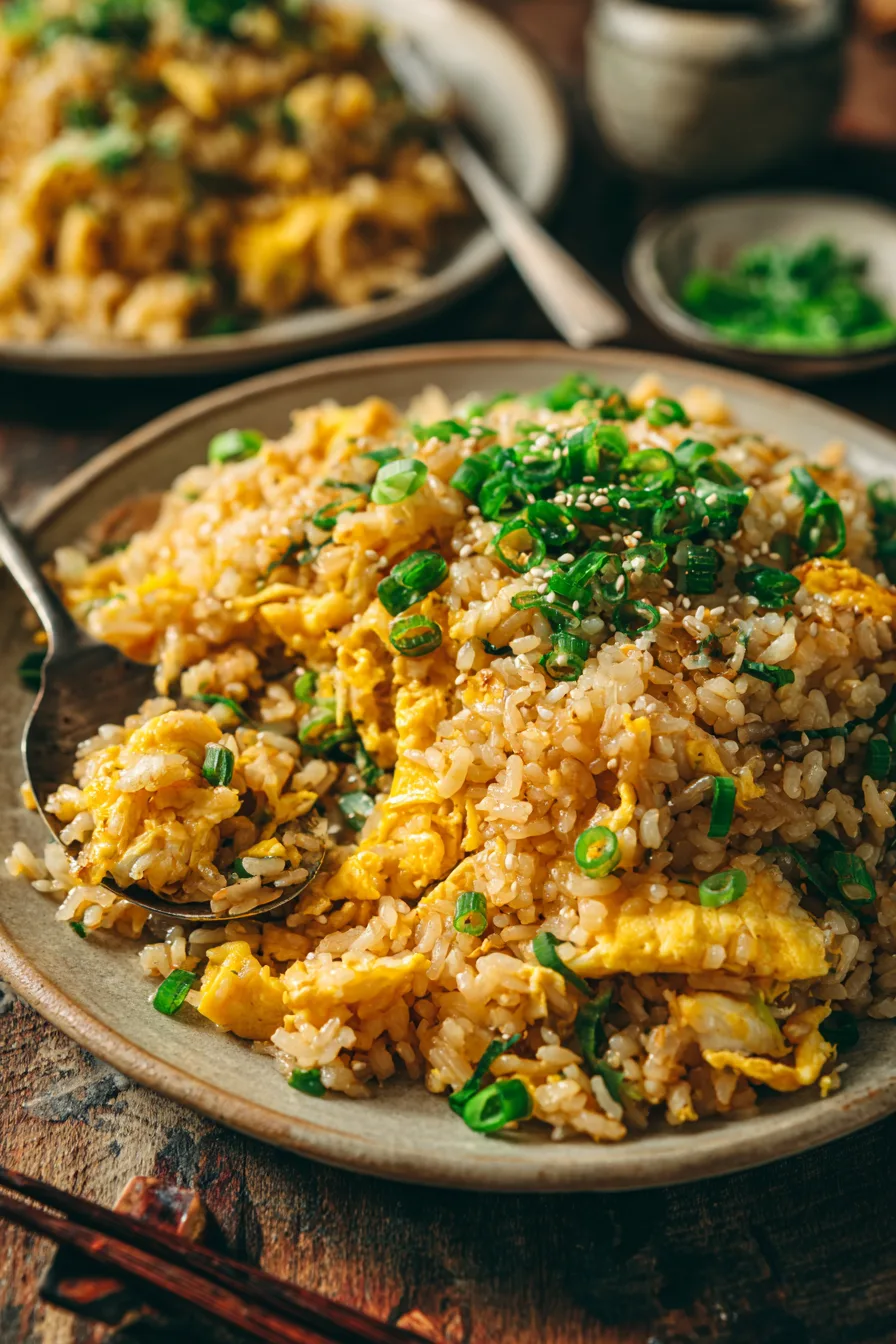
Egg fried rice with green onions is the ultimate culinary paradox: it is incredibly simple to prepare, yet it offers a depth of flavor and satisfying texture that rivals the most complex gourmet dishes. As a staple of Chinese home cooking and a favorite in takeout boxes worldwide, this dish relies on the harmonious balance of fluffy grains, rich eggs, and the sharp, aromatic bite of fresh scallions. Whether you are looking for a quick weeknight dinner or a way to transform leftover grains into a restaurant-quality meal, mastering the nuances of this recipe is a fundamental skill for any home cook.
Ingredients
-
Cooked Rice: 3 cups of chilled, day-old jasmine rice (grains should be separate).
-
Eggs: 3 large eggs, lightly beaten with a pinch of salt.
-
Green Onions (Scallions): 4–5 stalks, thinly sliced (separate the white/light green parts from the dark green tops).
-
Cooking Oil: 2–3 tablespoons of a high-smoke-point oil (vegetable, canola, or grapeseed).
-
Garlic: 2 cloves, minced (optional).
-
Soy Sauce: 1.5 tablespoons of light soy sauce (adjust to taste).
-
Toasted Sesame Oil: 1 teaspoon for a nutty finish.
-
Seasoning: A pinch of sugar, salt to taste, and a dash of ground white pepper.
Step-by-Step Instructions
-
Prepare the Rice: Take your chilled rice and use clean hands or a spatula to break up any large clumps. Each grain should be individual and free-flowing before it hits the pan.
-
Sauté the Aromatics: Heat a wok or a large non-stick skillet over medium-high heat. Add one tablespoon of oil. Once shimmering, add the white and light green parts of the sliced onions (and garlic, if using). Stir-fry for 30 seconds until fragrant but not browned.
-
Scramble the Eggs: Push the aromatics to the side of the pan and pour the beaten eggs into the center. Let them set for a few seconds, then gently scramble them until they are mostly cooked but still slightly soft.
-
The High-Heat Toss: Increase the heat to high. Add another tablespoon of oil to the pan if it looks dry, then add the rice. Using a folding motion, toss the rice with the eggs and onions. Press down on the rice occasionally to ensure it makes contact with the hot surface, creating a slight “toast” on the grains.
-
Season the Dish: Drizzle the soy sauce around the edges of the pan so it sizzles before hitting the rice; this adds a smoky depth. Add the sugar, white pepper, and salt. Continue to toss and stir-fry for 2–3 minutes until the rice is heated through and evenly coated.
-
The Finishing Touch: Turn off the heat. Fold in the dark green tops of the onions and drizzle with the toasted sesame oil. Give it one final toss and serve immediately while steaming hot.
The Foundation of Perfect Texture
The most critical component of exceptional egg fried rice is the rice itself. While it may be tempting to use freshly steamed rice, the moisture content in fresh grains is too high, which often results in a mushy, clumpy mess. Professional chefs almost exclusively use “day-old” rice. When rice is refrigerated overnight, the grains undergo a process called starch retrogradation, where they lose moisture and become firm. This structural change allows the rice to withstand the high heat of a wok without breaking apart.
If you find yourself craving fried rice but do not have leftovers, you can simulate this effect by spreading freshly cooked rice onto a large baking sheet and placing it in front of a fan for 30 minutes, or in the refrigerator uncovered for two hours. Jasmine rice is the preferred variety for this dish because of its subtle floral aroma and its ability to remain fluffy rather than sticky. Long-grain white rice is a suitable alternative, whereas short-grain or glutinous rice should be avoided as they tend to stick together too aggressively for a clean stir-fry.
Elevating Flavor Through Aromatics and “Wok Hei”
The soul of this dish lies in its aromatics, specifically the dual role of the green onion. By separating the white bases from the green tops, you utilize the plant’s full flavor profile. The whites function like onions or shallots, providing a savory foundation when sautéed in oil. The green tops, added at the very end, provide a fresh, peppery crunch and a vibrant visual contrast.
To truly capture the essence of restaurant-style fried rice, one must aim for wok hei, or “the breath of the wok.” This refers to the complex smoky charred flavor that results from stir-frying ingredients over extreme heat. While home stoves rarely reach the BTUs of commercial burners, you can mimic this by using a well-seasoned carbon steel wok or a heavy cast-iron skillet. The key is to keep the rice moving constantly to prevent burning while allowing it to sear briefly against the hot metal. This caramelizes the soy sauce and sugars, creating a flavor profile that is far more sophisticated than the sum of its parts.
Beyond the Basics: Customizations and Proteins
Once you have mastered the fundamental technique of egg and green onion fried rice, the dish becomes a canvas for endless variation. Because the flavor profile is savory and balanced, it pairs beautifully with almost any protein. For a classic “Special Fried Rice,” you can incorporate small cubes of Char Siu (Chinese BBQ pork), tiny shrimp, or diced chicken. The secret to adding proteins is to cook them separately first, remove them from the pan, and then fold them back into the rice during the final seasoning step to ensure nothing is overcooked.
Vegetables also offer a way to add nutrition and texture. Small-diced carrots, frozen peas, and corn are traditional choices that add a hint of sweetness. For those who prefer a bit of heat, a teaspoon of chili crisp or sambal oelek can be swirled in with the soy sauce. If you want to lean into a more Japanese-inspired flavor, you can finish the dish with a sprinkle of furikake or toasted nori strips. The versatility of the egg and onion base is what makes this recipe a perennial favorite across different cultures and cuisines.
Pro-Tips for Success and Troubleshooting
Even with a simple recipe, minor errors can affect the final outcome. One common issue is the rice sticking to the pan. This usually happens if the pan wasn’t hot enough before the rice was added or if there wasn’t enough oil. To prevent this, ensure your pan is “smoking hot” and that you have properly coated the surface with oil before introducing the rice. If you are using a stainless steel pan, the “mercury ball test”—where a drop of water beads up and rolls around the pan—is a good indicator that the surface is ready for non-stick cooking.
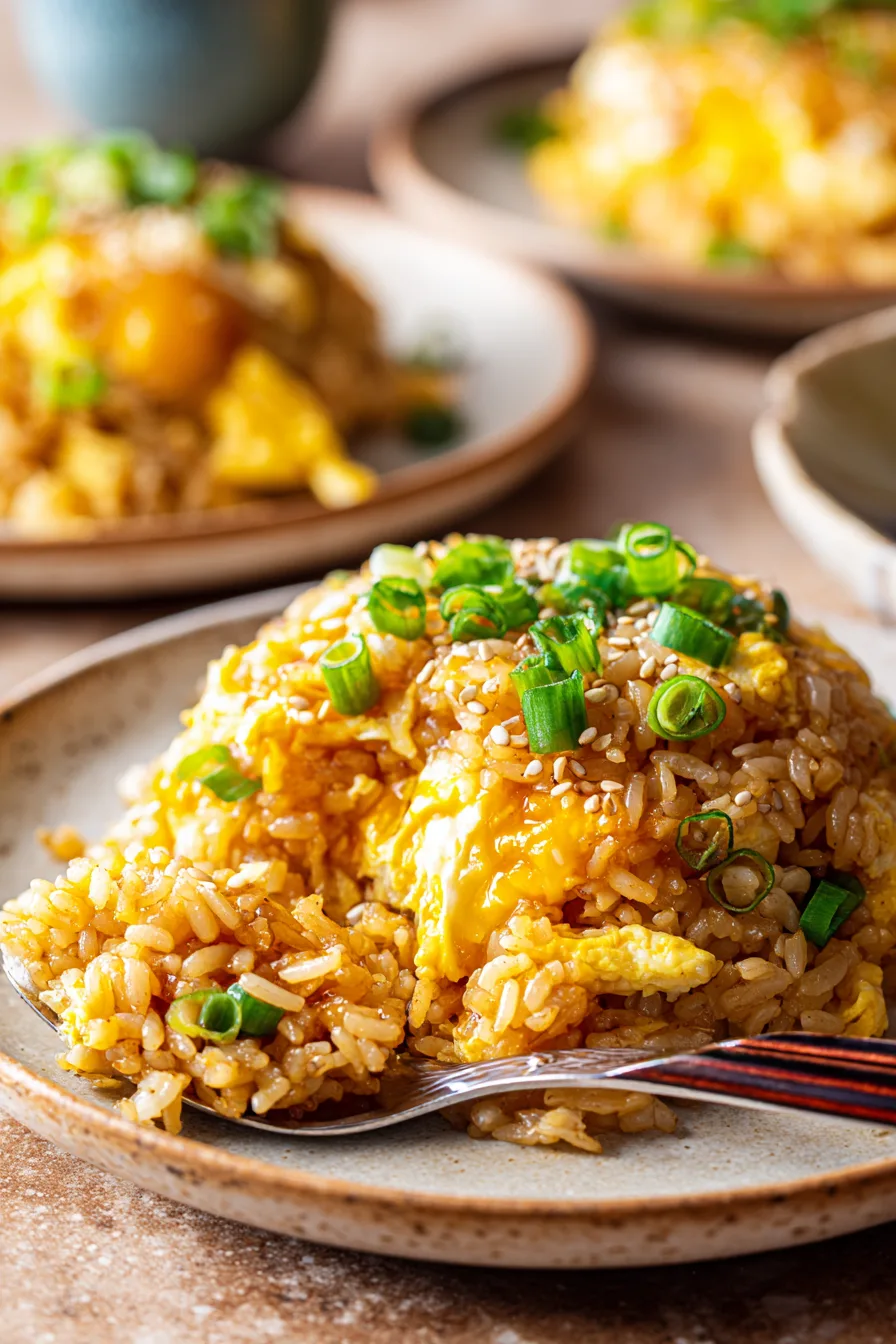
Another frequent mistake is over-seasoning with liquid sauces. If you add too much soy sauce, the rice will become wet and heavy. If you desire a darker color or deeper flavor without the extra moisture, consider using a small amount of “dark soy sauce,” which is thicker and more concentrated in color but less salty than light soy sauce. Finally, always taste your rice before serving. A small pinch of white pepper or a tiny dash of MSG (monosodium glutamate) can often be the “missing link” that elevates a good home-cooked meal into a truly professional-grade dish. With these techniques in hand, you can confidently produce a bowl of egg fried rice that is perfectly seasoned, beautifully textured, and bursting with the fresh flavor of green onions.