The Ultimate Creamy Lemon Cream Cheese Bars
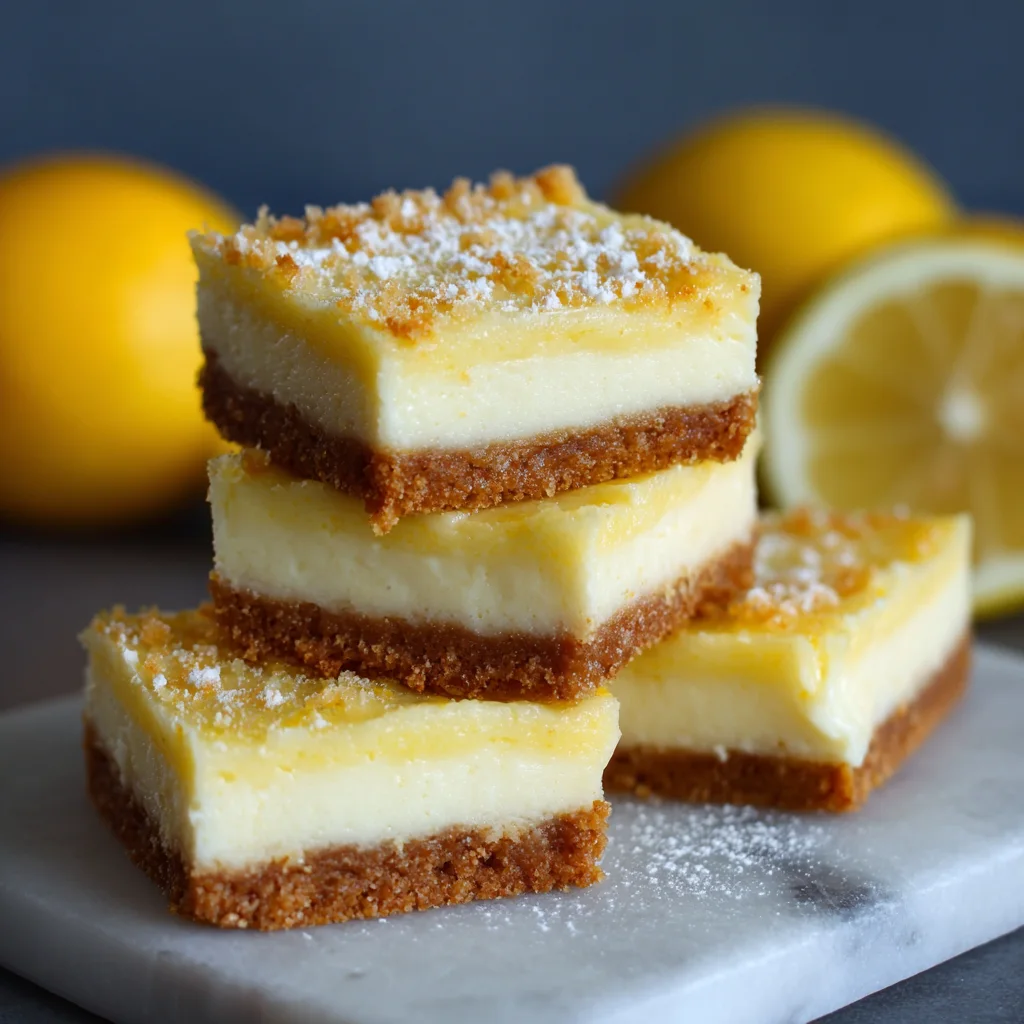
There is something truly magical about the combination of bright, zesty citrus and the velvety richness of cream cheese. These Creamy Lemon Cream Cheese Bars offer a sophisticated upgrade to the classic lemon bar, blending the tart punch of fresh lemons with a cheesecake-like texture and a buttery, melt-in-your-mouth shortbread crust. Whether you are hosting a summer garden party, preparing a treat for a holiday gathering, or simply craving a refreshing dessert to keep in the fridge, these bars deliver a perfect balance of sweetness and acidity. The following recipe has been refined to ensure a stable, sliceable consistency while maintaining a lush, decadent mouthfeel that sets it apart from traditional curd-based citrus treats.
Ingredients
For the Shortbread Crust:
-
1 ½ cups all-purpose flour
-
½ cup powdered sugar
-
¾ cup unsalted butter, cold and cubed
-
¼ teaspoon salt
-
1 teaspoon lemon zest
For the Creamy Lemon Filling:
-
16 ounces (two 8-oz blocks) cream cheese, softened to room temperature
-
1 cup granulated sugar
-
2 large eggs, room temperature
-
½ cup fresh lemon juice (approx. 2–3 large lemons)
-
1 tablespoon lemon zest
-
1 teaspoon vanilla extract
-
2 tablespoons all-purpose flour
Step-by-Step Instructions
-
Prepare the Oven and Pan: Preheat your oven to 350°F (175°C). Line a 9×9-inch square baking pan with parchment paper, leaving an overhang on the sides to easily lift the bars out later. Lightly grease any exposed pan surfaces.
-
Construct the Crust: In a medium bowl or food processor, combine the flour, powdered sugar, salt, and lemon zest. Add the cold, cubed butter. Pulse or use a pastry cutter until the mixture resembles coarse crumbs. Press the mixture firmly and evenly into the bottom of the prepared baking pan.
-
Bake the Base: Place the crust in the oven and bake for 18–20 minutes, or until the edges are just barely golden brown. Remove from the oven and set aside, but keep the oven on.
-
Mix the Filling: In a large mixing bowl, beat the softened cream cheese and granulated sugar together until smooth and fluffy. Add the eggs one at a time, beating well after each addition. Mix in the lemon juice, lemon zest, vanilla extract, and flour until the batter is completely homogenous and free of lumps.
-
The Second Bake: Pour the cream cheese mixture over the warm crust. Return the pan to the oven and bake for 25–30 minutes. The edges should be set, but the center should still have a very slight jiggle.
-
Cool and Chill: Allow the bars to cool to room temperature in the pan on a wire rack (about 1 hour). Once cooled, cover and refrigerate for at least 4 hours, or preferably overnight. This step is crucial for the bars to set properly for clean slicing.
-
Slice and Serve: Use the parchment paper overhang to lift the bars out of the pan. Dust with powdered sugar if desired and cut into 16 squares using a sharp, warm knife.
Mastering the Foundation of Flavor and Texture
The success of these bars hinges on the interplay between a crisp, structural base and a luscious, stable filling. While many traditional lemon bars utilize a thin, crumbly crust, the cream cheese variation benefits from a slightly thicker, sturdier shortbread. By incorporating a hint of lemon zest directly into the flour mixture, the citrus profile is reinforced from the very first bite. It is essential to use cold butter for the crust; as the tiny bits of butter melt during the initial bake, they create micro-pockets of steam that result in a light, flaky texture rather than a dense, oily one.
The filling requires a different approach, focused entirely on aeration and temperature. Using room-temperature cream cheese and eggs is not merely a suggestion—it is a technical requirement. Cold cream cheese is prone to clumping, and over-mixing the batter to remove those lumps can incorporate too much air, leading to cracks on the surface or a “soufflé” effect during baking. By ensuring your ingredients are tempered, you achieve a silky, dense consistency that mimics a high-end cheesecake while allowing the lemon’s acidity to cut through the richness of the dairy.
Balancing the Zest: The Science of Citrus
When working with lemon-based desserts, the quality of your citrus makes the difference between a generic sweet treat and an artisanal dessert. Always opt for fresh lemons over bottled juice. Bottled lemon juice often contains preservatives and lacks the volatile oils found in fresh rinds, which can result in a flat, one-dimensional flavor. For the best results, zest the lemons before juicing them. The zest contains the essential oils that provide that signature “bright” aroma, while the juice provides the necessary tartness to balance the sugar and cream cheese.
If you prefer a more aggressive “pucker,” you can slightly increase the zest or add a pinch of citric acid to the filling. However, the ratio provided in this recipe is designed to be a “crowd-pleaser”—tangy enough to be refreshing, but creamy enough to satisfy those who prefer milder desserts. For a unique floral note, consider using Meyer lemons, which are a cross between a lemon and a Mandarin orange. They are sweeter and less acidic, yielding a more delicate, sophisticated flavor profile that pairs beautifully with the vanilla extract in the filling.
Creative Variations and Dietary Adaptations
While the classic lemon and cream cheese combination is iconic, this recipe serves as an excellent canvas for experimentation. If you want to add a berry twist, you can swirl a few tablespoons of raspberry or blueberry puree into the cream cheese layer before baking. This creates a beautiful marbled effect and adds a layer of fruity complexity. For those who enjoy a bit of crunch, adding toasted coconut flakes to the shortbread crust can provide an island-inspired flair that complements the citrus perfectly.
For those with dietary restrictions, this recipe can be easily adapted without sacrificing quality. To make these bars gluten-free, replace the all-purpose flour in both the crust and the filling with a high-quality 1:1 gluten-free flour blend that includes xanthan gum. If you need a lower-sugar option, the granulated sugar in the filling can be replaced with a monk fruit or erythritol sweetener, though you should keep the powdered sugar in the crust for the proper texture. While a vegan version requires significant changes to the fats and proteins (using cashew-based cream cheese and flax eggs), the core principles of chilling and citrus balance remain the same.
Storage, Slicing, and Presentation for Maximum Impact
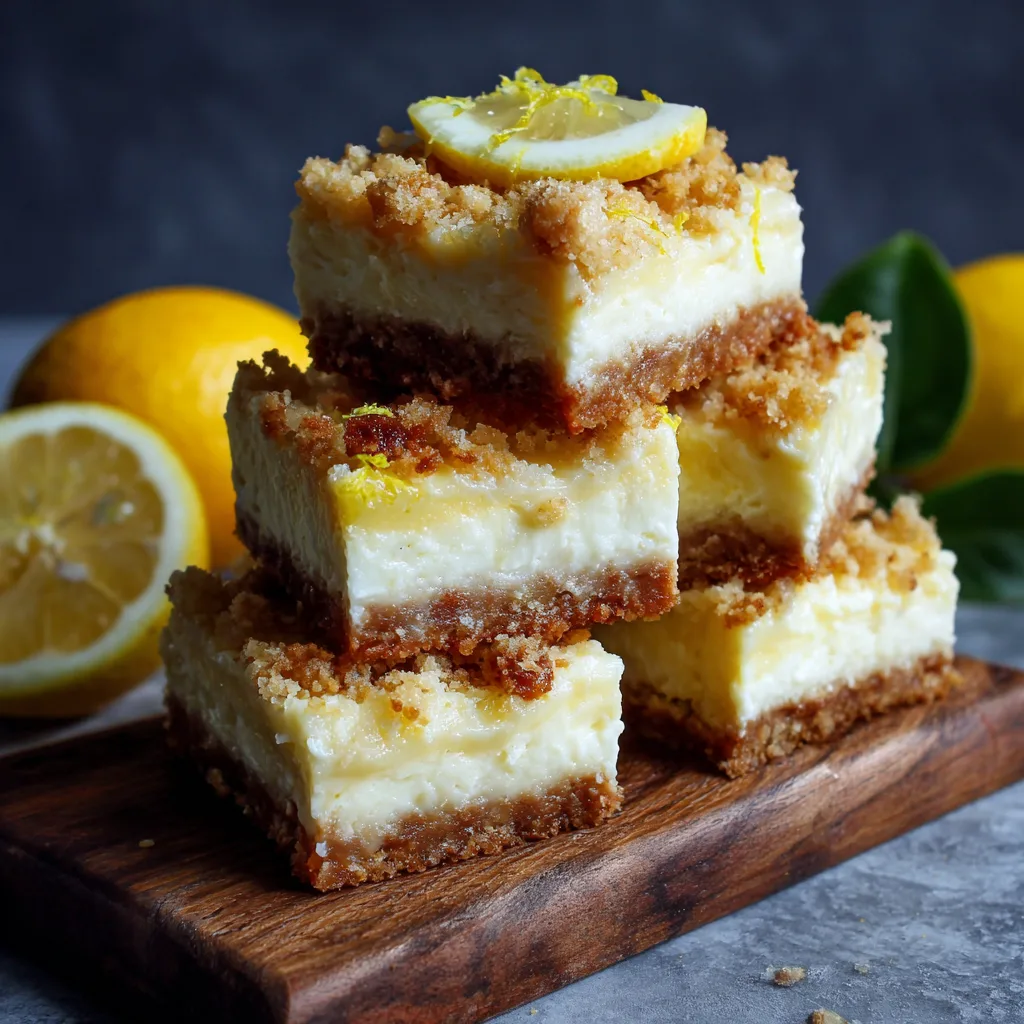
The final presentation of your Creamy Lemon Cream Cheese Bars can elevate them from a simple home-baked good to a bakery-quality showstopper. To achieve those perfectly clean, sharp edges seen in professional photography, ensure the bars are completely chilled. Run a large chef’s knife under hot water, wipe it dry, and make a single, decisive cut. Wipe the knife clean and re-warm it between every single slice. This prevents the creamy filling from dragging and sticking to the blade, keeping the layers distinct and beautiful.
Garnish is the final touch. A simple dusting of powdered sugar is classic, but it should be applied right before serving, as the moisture in the cream cheese will eventually dissolve the sugar. For a more modern look, top each bar with a thin half-slice of lemon, a sprig of fresh mint, or a single fresh raspberry. These bars also store exceptionally well. They can be kept in an airtight container in the refrigerator for up to five days, making them an ideal make-ahead dessert. If you wish to freeze them, wrap individual squares tightly in plastic wrap and store them in a freezer bag for up to three months. Simply thaw in the refrigerator for a few hours before serving to maintain that signature creamy texture.