Cheesy Brazilian Pão de Queijo
Ingredients
- 1 cup whole milk
- 1/2 cup vegetable oil
- 1 teaspoon salt
- 2 cups tapioca flour (also called tapioca starch)
- 1 cup grated Minas cheese (or other semi-hard cheese like Parmesan, Asiago, or Monterey Jack)
- 2 large eggs
Step-by-Step
1. Preheat your oven to 375°F (190°C). Lightly grease a baking sheet.
2. In a saucepan, combine the milk, oil, and salt. Bring the mixture to a simmer over medium heat.
3. Remove the saucepan from the heat and immediately add the tapioca flour all at once. Stir vigorously until a thick, sticky dough forms.
4. Let the dough cool slightly for about 5-10 minutes. It should still be warm but cool enough to handle.
5. Add the grated cheese to the dough and mix well until evenly distributed.
6. Add the eggs, one at a time, mixing thoroughly after each addition until the dough is smooth and elastic. The dough will be very sticky.
7. Using a spoon or a small ice cream scoop, drop rounded balls of dough onto the prepared baking sheet. Leave some space between each ball.
8. Bake for 20-25 minutes, or until the pão de queijo are puffed up and golden brown.
9. Let them cool slightly on the baking sheet before serving. They are best enjoyed warm.
Understanding Pão de Queijo
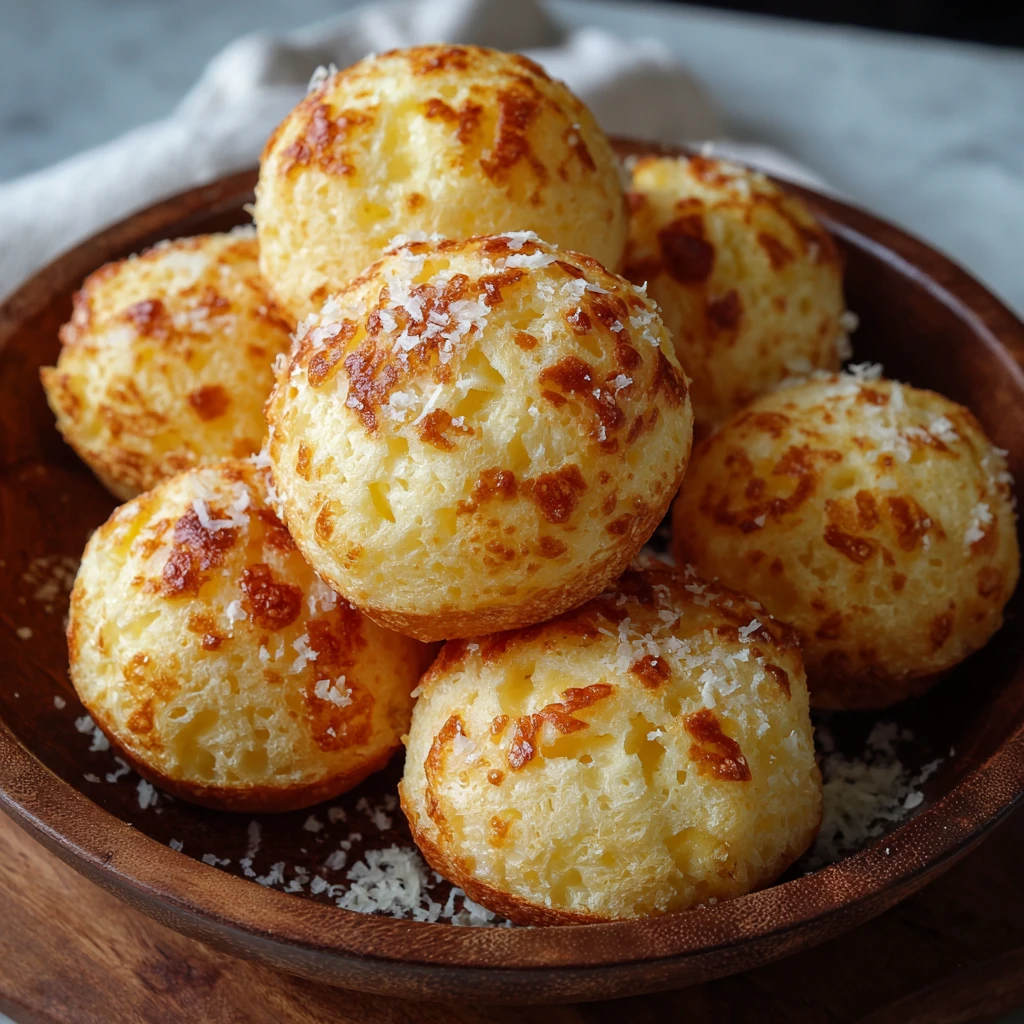
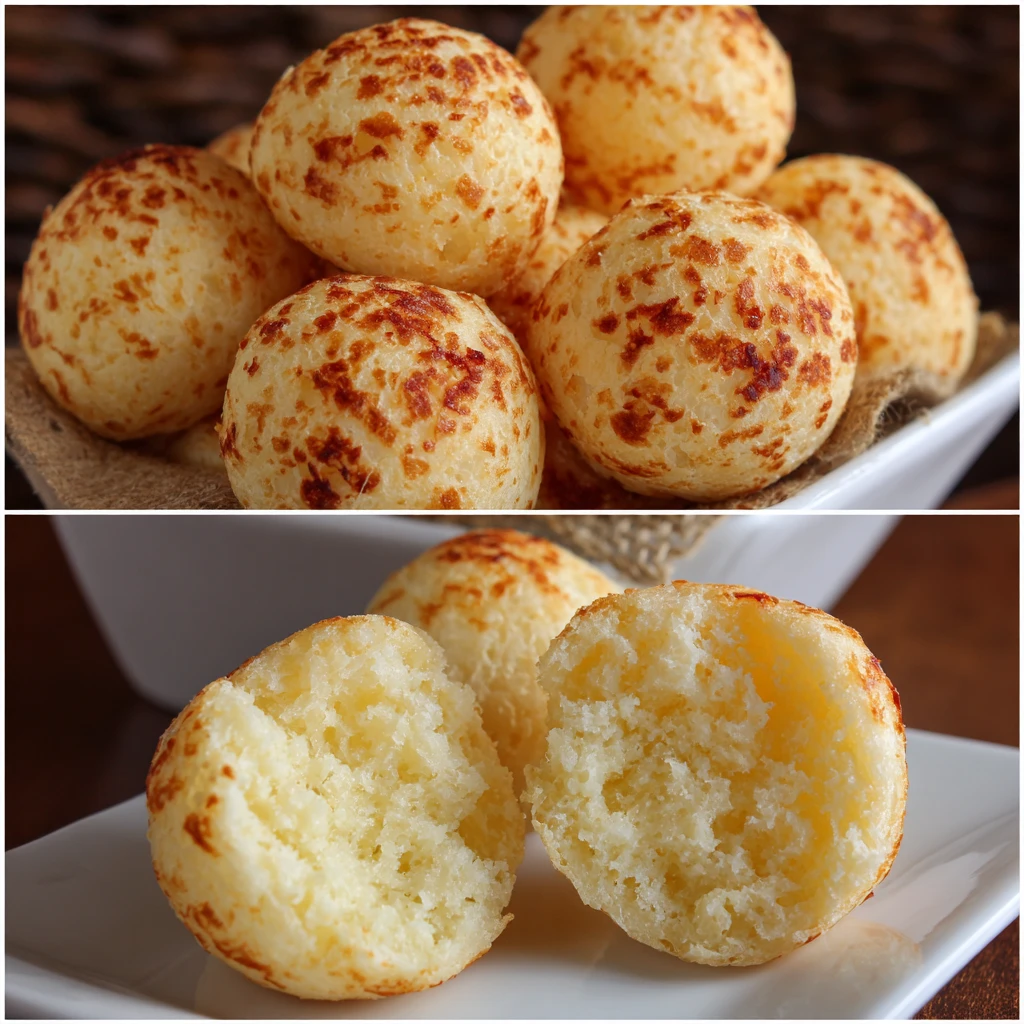
Pão de Queijo, or Brazilian cheese bread, is a beloved snack and breakfast item in Brazil. Its unique chewy texture and cheesy flavor make it irresistible. Understanding the ingredients and techniques will help you create the perfect batch.
The Importance of Tapioca Flour
Tapioca flour is the key to Pão de Queijo’s signature texture. Unlike wheat flour, tapioca flour is made from the starch extracted from the cassava root. This starch gives the bread its characteristic chewiness and slightly bouncy texture.
Using the correct type of tapioca flour is essential. You’ll want to use sour tapioca flour for a tangier flavor or sweet tapioca flour for a milder taste. Experimenting with both can help you find your preferred flavor profile.
The Role of Cheese
The cheese provides the cheesy flavor and also contributes to the overall texture. Traditionally, Minas cheese is used, which is a fresh, mild cheese from the Minas Gerais region of Brazil.
However, Minas cheese can be difficult to find outside of Brazil. Therefore, other semi-hard cheeses like Parmesan, Asiago, or Monterey Jack are often used as substitutes. Each cheese will impart a slightly different flavor, so choose one that you enjoy.
Mastering the Dough
The dough for Pão de Queijo is unlike any other bread dough. It’s very sticky and almost batter-like. Don’t be alarmed by its consistency. This is what gives the bread its unique texture.
The hot milk and oil mixture helps to gelatinize the tapioca starch, creating a smooth and elastic dough. It’s important to cool the dough slightly before adding the eggs to prevent them from cooking.
Tips and Tricks for Perfect Pão de Queijo
Achieving perfect Pão de Queijo requires attention to detail. Here are some tips and tricks to help you succeed.
Achieving the Right Texture
The texture of Pão de Queijo should be chewy on the inside and slightly crispy on the outside. To achieve this, make sure your oven is properly preheated. Baking at the correct temperature is crucial for the bread to puff up and develop a golden brown crust.
Avoid overbaking the Pão de Queijo, as this can make them dry and hard. Check them regularly during baking and remove them from the oven when they are golden brown and slightly firm to the touch.
Experimenting with Flavors
While the traditional recipe is delicious, there are many ways to experiment with flavors. You can add herbs like rosemary or thyme to the dough for an aromatic twist.
Adding a pinch of garlic powder or onion powder can also enhance the savory flavor. For a spicy kick, try adding a small amount of chili powder or finely chopped jalapeño.
Freezing for Later
Pão de Queijo can be easily frozen for later use. Simply shape the dough into balls and place them on a baking sheet lined with parchment paper. Freeze for about an hour, or until the balls are solid.
Then, transfer the frozen balls to a freezer-safe bag or container. They can be stored in the freezer for up to 2-3 months. When ready to bake, simply bake them from frozen, adding a few extra minutes to the baking time.
Serving Suggestions
Pão de Queijo is incredibly versatile and can be enjoyed in many ways. Here are some serving suggestions to inspire you.
As a Snack
Pão de Queijo is a perfect snack any time of day. Enjoy them warm straight from the oven, or pack them in a lunchbox for a midday treat.
They are also a great option for parties and gatherings. Serve them with a variety of dips and spreads, such as cream cheese, guava paste, or pesto.
With Coffee
In Brazil, Pão de Queijo is often enjoyed with a cup of coffee. The warm, cheesy bread complements the rich, bold flavor of the coffee perfectly.
Try pairing Pão de Queijo with a strong Brazilian coffee for an authentic experience. Or, enjoy them with your favorite latte or cappuccino.
As a Side Dish
Pão de Queijo can also be served as a side dish with meals. They are a great accompaniment to soups, salads, and stews.
Serve them alongside grilled meats or vegetables for a complete and satisfying meal. They can also be used as a substitute for bread in sandwiches and wraps.
Health Considerations
While Pão de Queijo is a delicious treat, it’s important to be mindful of its nutritional content.
Nutritional Information
Pão de Queijo is relatively high in carbohydrates and fat, due to the tapioca flour and cheese. It also contains a moderate amount of protein.
The exact nutritional content will vary depending on the specific ingredients used. However, a typical serving of Pão de Queijo contains around 150-200 calories.
Gluten-Free Option
Pão de Queijo is naturally gluten-free, making it a great option for people with gluten sensitivities or celiac disease. Tapioca flour is a gluten-free alternative to wheat flour.
However, it’s important to check the labels of all ingredients to ensure they are gluten-free. Some cheeses may contain gluten-based additives.
Moderation is Key
Like any treat, Pão de Queijo should be enjoyed in moderation. While it is a delicious and satisfying snack, it’s important to balance it with other healthy foods.
Consider serving Pão de Queijo with a salad or a side of vegetables to create a more balanced meal. And remember to be mindful of portion sizes.
Variations and Modern Twists
The classic Pão de Queijo recipe can be adapted and modified to create exciting new variations.
Different Cheeses
Experiment with different types of cheese to create unique flavor profiles. Try using Gruyere, Gouda, or even blue cheese for a bolder flavor.
You can also combine different cheeses for a more complex taste. A mixture of Parmesan and Asiago, for example, can add both sharpness and nuttiness.
Sweet Pão de Queijo
While Pão de Queijo is typically savory, you can also make a sweet version. Add a touch of sugar to the dough and fill it with sweet ingredients like chocolate chips or guava paste.
Sweet Pão de Queijo can be served as a dessert or as a sweet snack. They are especially delicious when served warm with a scoop of ice cream.
Vegan Pão de Queijo
It’s possible to make a vegan version of Pão de Queijo by using plant-based cheese and eggs. There are many vegan cheese alternatives available that can be used in place of traditional cheese.
For the eggs, you can use a flaxseed egg or a commercial egg replacer. The resulting vegan Pão de Queijo will have a similar texture and flavor to the traditional version.
FAQ About Pão de Queijo
Here are some frequently asked questions about Pão de Queijo.
Why is my Pão de Queijo flat?
This is often due to not using hot enough milk and oil to scald the tapioca flour initially. Also, ensure your oven is at the correct temperature. Old baking powder (if using) can also cause flatness.
Can I use different types of cheese?
Absolutely! While Minas cheese is traditional, Parmesan, Asiago, Monterey Jack, or a blend of cheeses work well.
How do I store Pão de Queijo?
Store baked Pão de Queijo in an airtight container at room temperature for a day or two. For longer storage, freeze them.
Can I make the dough ahead of time?
Yes, you can make the dough ahead of time and store it in the refrigerator for up to 24 hours. Let it come to room temperature before baking.
What is the best way to reheat Pão de Queijo?
The best way to reheat Pão de Queijo is in the oven or toaster oven. This will help to restore their crispy exterior. You can also microwave them, but they may become slightly soft.