The Ultimate Brown Butter Caramel Toffee Cookies: A Masterclass in Texture and Flavor
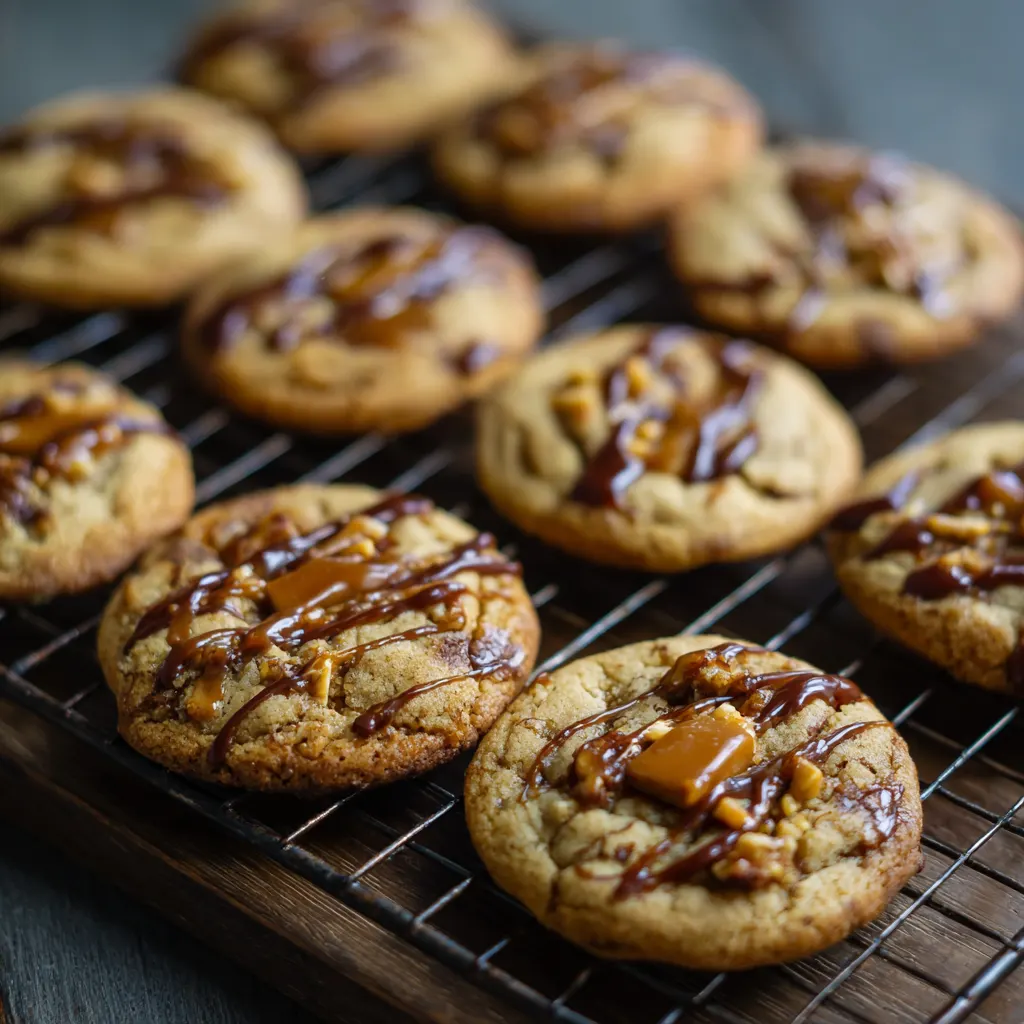
Imagine a cookie that offers a symphony of textures—a crisp, golden edge that gives way to a soft, doughy center, punctuated by the crunch of buttery toffee and the gooey pull of melted caramel. This is not just a snack; it is the pinnacle of home baking. By combining the nutty depth of browned butter with the rich, molasses-forward sweetness of dark brown sugar, these Caramel Toffee Cookies elevate a simple pantry staple into a sophisticated dessert. Whether you are a seasoned baker or a weekend hobbyist, mastering this recipe ensures you have a crowd-pleaser in your repertoire that tastes like it came from a high-end artisanal bakery.
Ingredients
-
Unsalted Butter: 1 cup (226g), high quality.
-
Dark Brown Sugar: 1 cup (200g), packed (provides moisture and depth).
-
Granulated Sugar: ½ cup (100g) (for crisp edges).
-
Large Egg: 1, at room temperature.
-
Egg Yolk: 1, for added richness and chewiness.
-
Pure Vanilla Extract: 1 tablespoon.
-
All-Purpose Flour: 2 ¼ cups (280g), spooned and leveled.
-
Baking Soda: 1 teaspoon.
-
Sea Salt: ½ teaspoon (plus extra for sprinkling).
-
Toffee Bits: 1 cup (such as Heath bits, with or without chocolate).
-
Caramel Bits: ¾ cup (small baking caramel morsels).
Step-by-Step Instructions
-
Brown the Butter: In a medium saucepan over medium heat, melt the butter. Continue cooking, whisking constantly, until the butter begins to foam and brown bits form at the bottom. Once it smells nutty and looks amber in color, remove from heat immediately and pour into a large, heat-proof mixing bowl. Let it cool for 10–15 minutes.
-
Mix the Sugars: Add the dark brown sugar and granulated sugar to the cooled brown butter. Whisk vigorously until the mixture is smooth and no lumps of sugar remain.
-
Incorporate Wet Ingredients: Add the egg, egg yolk, and vanilla extract. Whisk for about 1–2 minutes until the mixture lightens in color and becomes slightly thickened.
-
Combine Dry Ingredients: In a separate bowl, sift together the flour, baking soda, and salt. Gradually fold the dry ingredients into the wet mixture using a rubber spatula. Mix until just combined; do not overmix.
-
Add the Mix-ins: Gently fold in the toffee bits and caramel bits until evenly distributed throughout the dough.
-
Chill the Dough: For the best flavor development, cover the bowl and chill the dough in the refrigerator for at least 30 minutes (or up to 24 hours).
-
Preheat and Prep: Preheat your oven to 350°F (175°C). Line two large baking sheets with parchment paper or silicone baking mats.
-
Scoop and Bake: Using a large cookie scoop (about 2 tablespoons), portion the dough into balls and place them 2 inches apart on the baking sheets. Bake for 10–12 minutes, or until the edges are golden brown but the centers still look slightly soft.
-
Finish and Cool: Immediately after removing from the oven, sprinkle the tops with a pinch of flaky sea salt. Let the cookies rest on the pan for 5–10 minutes before transferring them to a wire rack to cool completely.
The Secret to the Perfect Cookie: Understanding Brown Butter
The foundation of an exceptional caramel toffee cookie lies in the “beurre noisette,” or brown butter. Unlike standard softened butter, browning the butter undergoes the Maillard reaction, which toasted the milk solids and evaporates a portion of the water content. This process results in a concentrated, nutty flavor profile that perfectly complements the burnt-sugar notes of toffee.
When using brown butter, it is crucial to allow it to cool slightly before adding the sugars. If the butter is too hot, it can dissolve the sugar completely, leading to a greasy cookie that spreads too much in the oven. However, by whisking the sugars into the warm butter, you create a partial emulsion that contributes to that sought-after “crinkle” on the top of the cookie. This depth of flavor is what distinguishes a professional-grade cookie from a standard store-bought version.
Achieving the Ideal Texture: Soft, Chewy, and Crisp
The architecture of a great cookie is a balance of ratios. To achieve a center that remains soft for days while keeping the edges snappy, this recipe utilizes a combination of dark brown sugar and an extra egg yolk. The molasses in the dark brown sugar is hygroscopic, meaning it attracts and holds onto moisture, preventing the cookie from drying out. Meanwhile, the additional egg yolk adds fat and protein, which provides a fudgy, dense interior.
Another vital component of texture is the chilling process. While it is tempting to bake the dough immediately, resting the dough allows the flour to fully hydrate and the fats to solidify. This results in less spreading during baking and a more complex, developed flavor. If you prefer a “thicker” cookie, a longer chill time (up to 24 hours) is recommended. If you prefer a thinner, crispier cookie with “rippled” edges, you can bake the dough after only a brief 15-minute rest.
Enhancing the Flavor Profile with Toffee and Caramel
The distinction between toffee and caramel is often blurred, but in this cookie, they play two very different roles. Toffee provides a structural “crunch”—a hard, buttery snap that persists even after the cookie has cooled. Caramel, specifically in the form of baking bits, provides a chewy, elastic element. As the cookie bakes, the caramel bits slightly melt, creating small pockets of “goo” that contrast beautifully with the crunchy toffee.
To elevate the flavor even further, the use of sea salt is non-negotiable. Caramel and toffee are inherently very sweet; the addition of salt acts as a flavor enhancer, cutting through the sugar and highlighting the toasted notes of the butter. Using a high-quality flaky salt, such as Maldon, as a finishing touch provides a visual appeal and a burst of salinity that makes the cookie addictive.
Storage, Make-Ahead Tips, and Variations
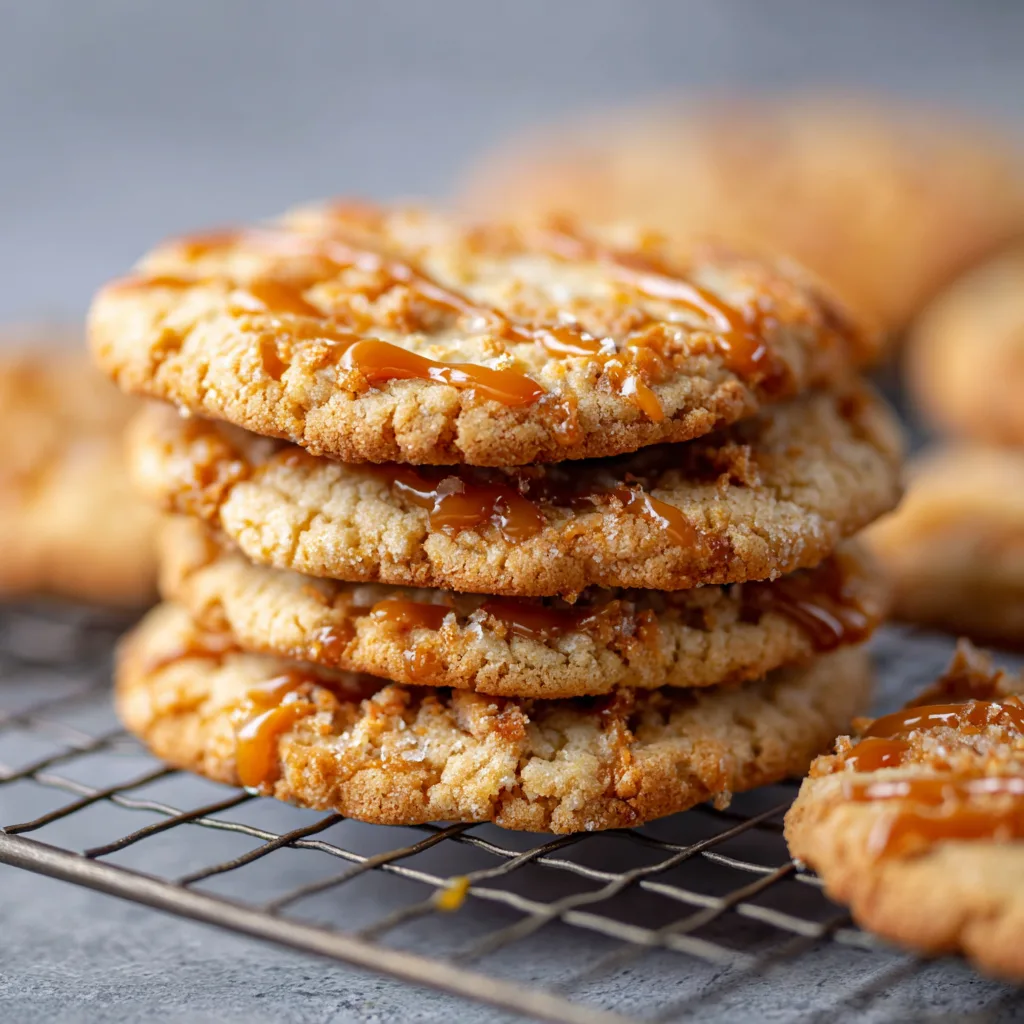
These cookies are remarkably resilient and can be stored in an airtight container at room temperature for up to five days. To maintain their softness, some bakers recommend placing a small slice of white bread in the container; the cookies will absorb the moisture from the bread, keeping them from becoming brittle.
If you wish to prepare these in advance, the dough freezes beautifully. You can scoop the dough into balls and freeze them on a tray before transferring them to a zip-top bag. When you are ready for a fresh treat, simply bake the frozen dough balls, adding 1–2 minutes to the total baking time. This allows you to have “bakery-fresh” cookies on demand.
For those looking to experiment, this base recipe is highly versatile. You can substitute half of the toffee bits for dark chocolate chunks to create a “Salted Caramel Chocolate Toffee” hybrid. Alternatively, adding half a cup of toasted pecans or walnuts can introduce an earthy element that pairs naturally with the caramelization. No matter the variation, the core principles of browning the butter and properly balancing the sugars will ensure a perfect result every time.