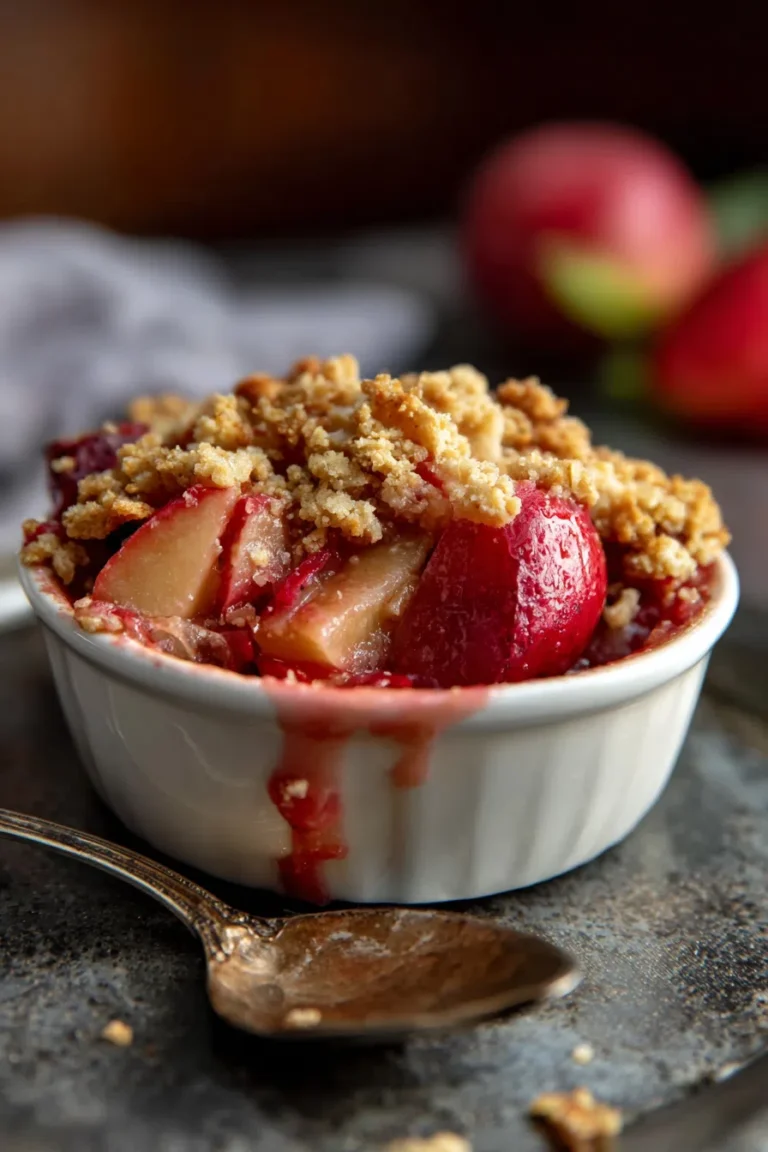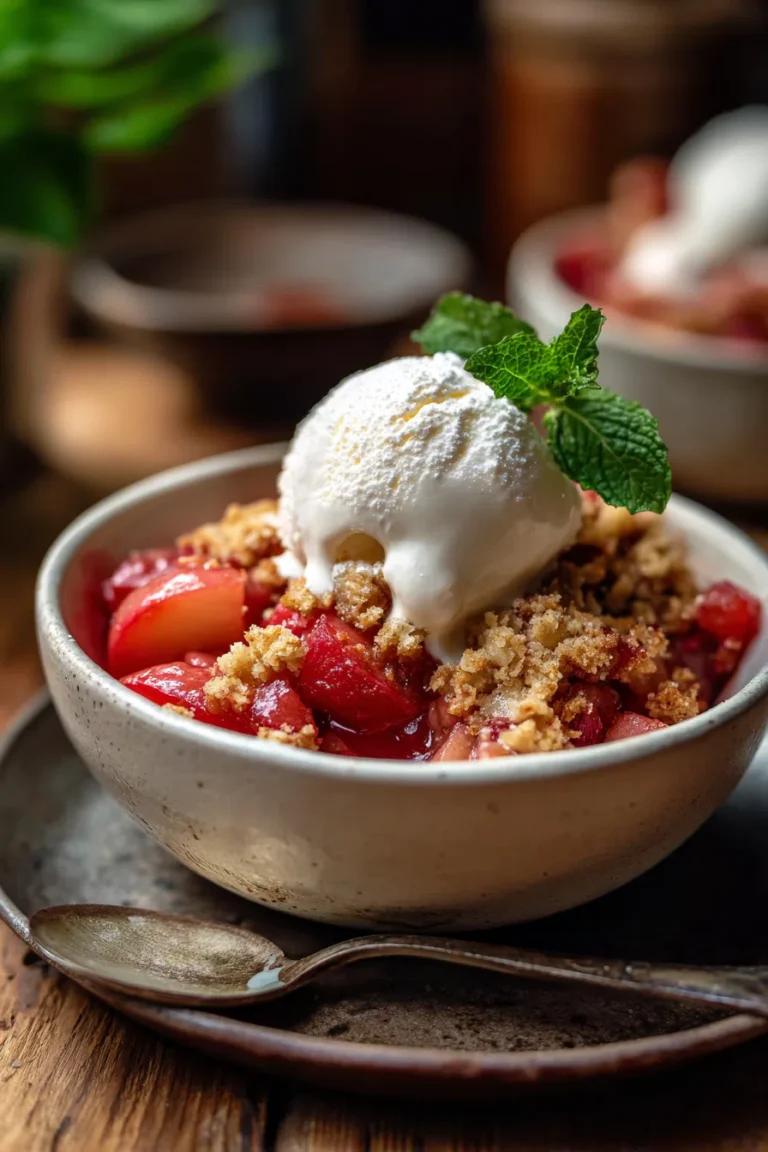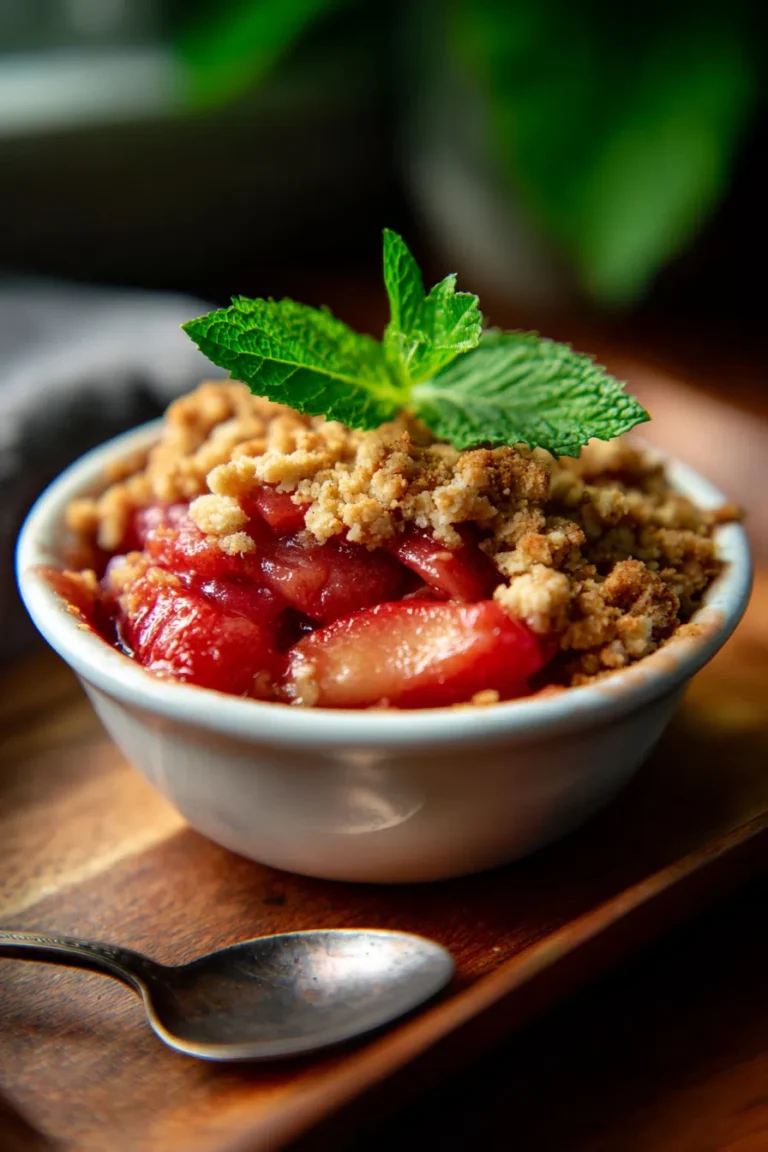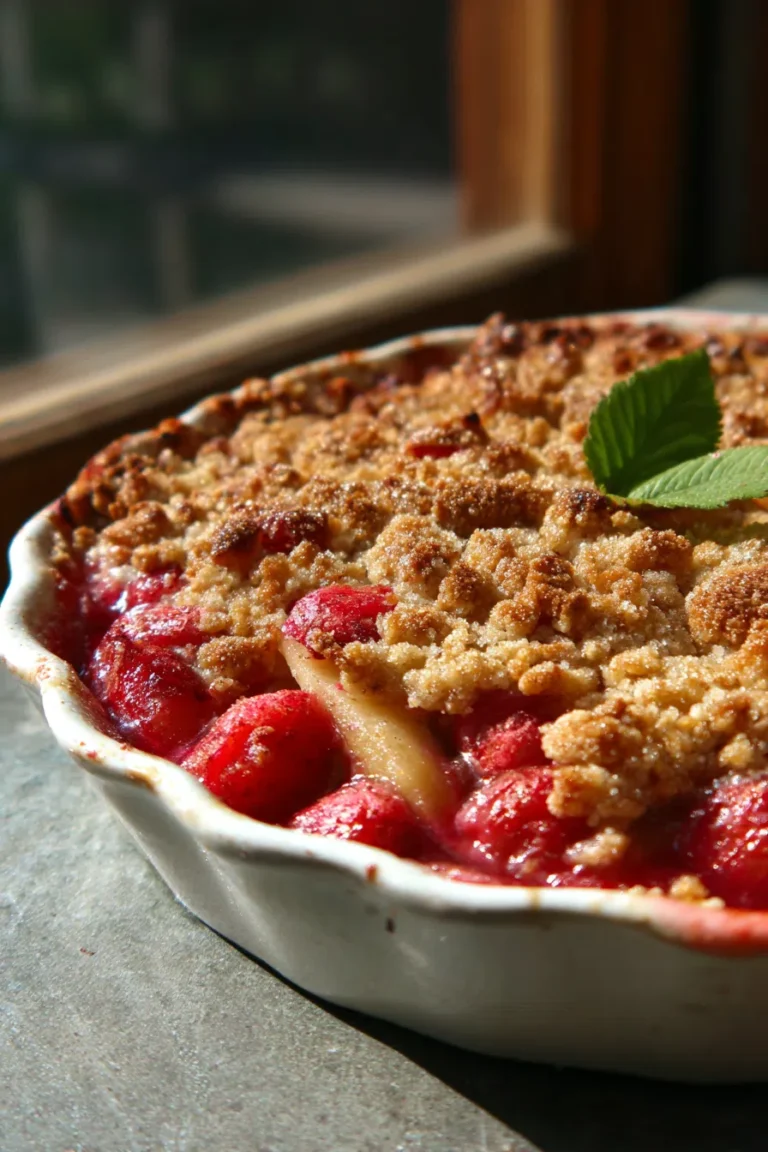
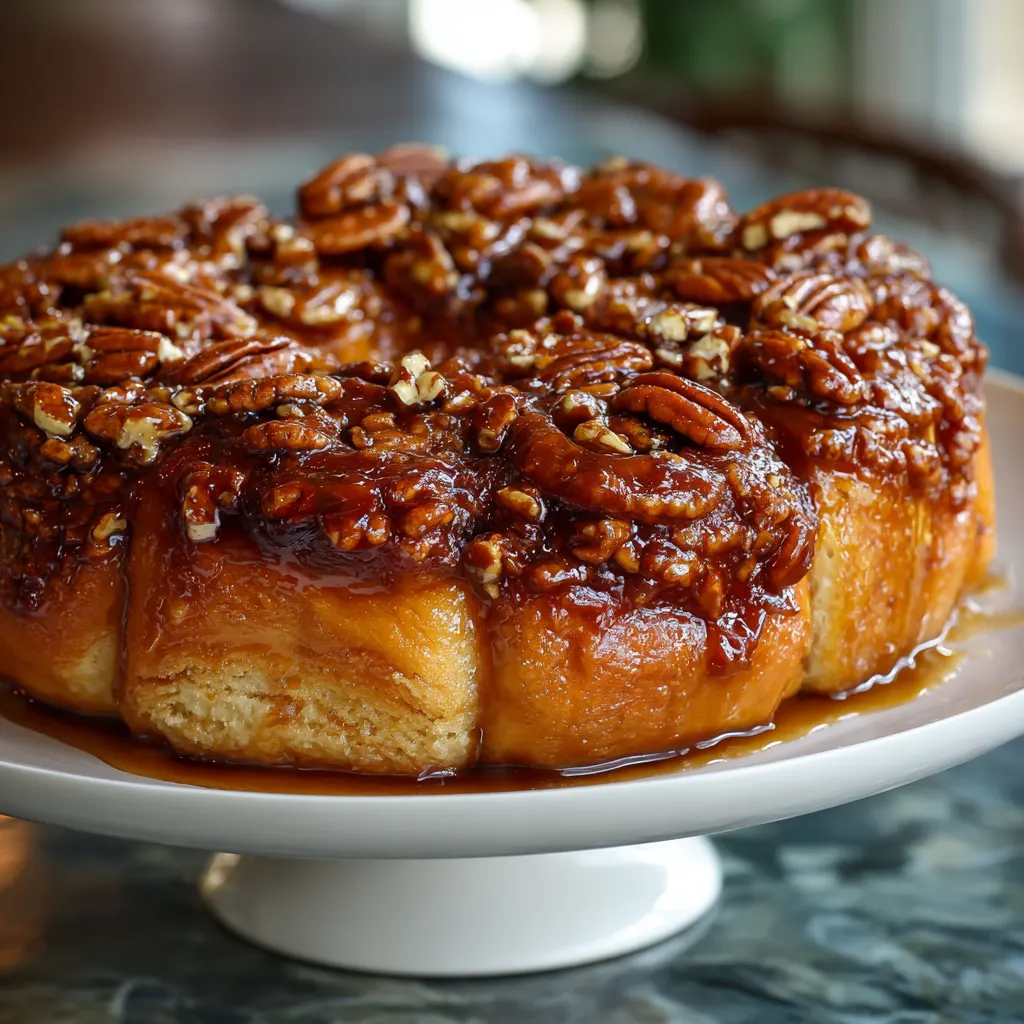
There is perhaps no aroma in the world of baking as intoxicating as the scent of yeasted dough mingling with toasted pecans and simmering brown sugar. Caramel Pecan Sticky Buns represent the pinnacle of comfort food—a decadent fusion of soft, pillowy brioche and a rich, buttery glaze that pools into every crevice. While they are often compared to cinnamon rolls, the sticky bun is a distinct masterpiece defined by its “upside-down” baking method, where the topping is placed at the bottom of the pan, allowing the sugar to caramelize into a thick, glossy sauce that coats the buns the moment they are flipped. Whether served as a centerpiece for a holiday brunch or as a slow-Sunday indulgence, mastering this recipe is a rite of passage for any home baker looking to elevate their pastry game.
Ingredients
For the Dough:
-
1 cup whole milk, warmed to 110°F
-
2 ¼ teaspoons active dry yeast (1 standard packet)
-
¼ cup granulated sugar
-
1 large egg plus 1 egg yolk, room temperature
-
¼ cup unsalted butter, melted and slightly cooled
-
3 ½ cups all-purpose flour (plus extra for dusting)
-
1 teaspoon salt
For the Caramel Topping:
-
¾ cup unsalted butter, melted
-
¾ cup packed light or dark brown sugar
-
¼ cup honey or light corn syrup
-
1 teaspoon vanilla extract
-
¼ teaspoon salt
-
1 ½ cups toasted pecan halves
For the Filling:
-
¼ cup unsalted butter, very soft
-
½ cup packed brown sugar
-
1 tablespoon ground cinnamon
Step-by-Step Instructions
-
Prepare the Dough: In the bowl of a stand mixer, combine the warm milk, sugar, and yeast. Let it sit for 5–10 minutes until foamy. Add the melted butter, egg, and egg yolk. Using the dough hook, gradually add the flour and salt. Mix on low speed until the dough comes together, then increase to medium and knead for 5–7 minutes until the dough is smooth and slightly tacky.
-
First Rise: Place the dough in a lightly greased bowl, cover with plastic wrap, and let rise in a warm, draft-free spot for 60–90 minutes, or until doubled in size.
-
Prepare the Topping: While the dough rises, whisk together the melted butter, brown sugar, honey, vanilla, and salt in a medium bowl until smooth. Pour this mixture into a lightly greased 9×13-inch baking pan, spreading it evenly. Sprinkle the toasted pecans over the caramel.
-
Shape the Buns: Punch down the risen dough and turn it out onto a floured surface. Roll it into a 12×18-inch rectangle. Spread the softened butter for the filling over the dough, leaving a half-inch border. Mix the brown sugar and cinnamon, then sprinkle it evenly over the butter.
-
Roll and Cut: Starting from the long edge, roll the dough tightly into a log. Use a sharp serrated knife or unflavored dental floss to cut the log into 12 even slices. Place the slices cut-side down in the prepared pan on top of the caramel and pecans.
-
Second Rise: Cover the pan and let the buns rise for another 45–60 minutes. They should look puffy and be touching one another. Preheat your oven to 350°F (175°C).
-
Bake: Bake for 25–30 minutes, or until the tops are deeply golden brown. If the buns are browning too quickly, tent them loosely with aluminum foil for the last 10 minutes.
-
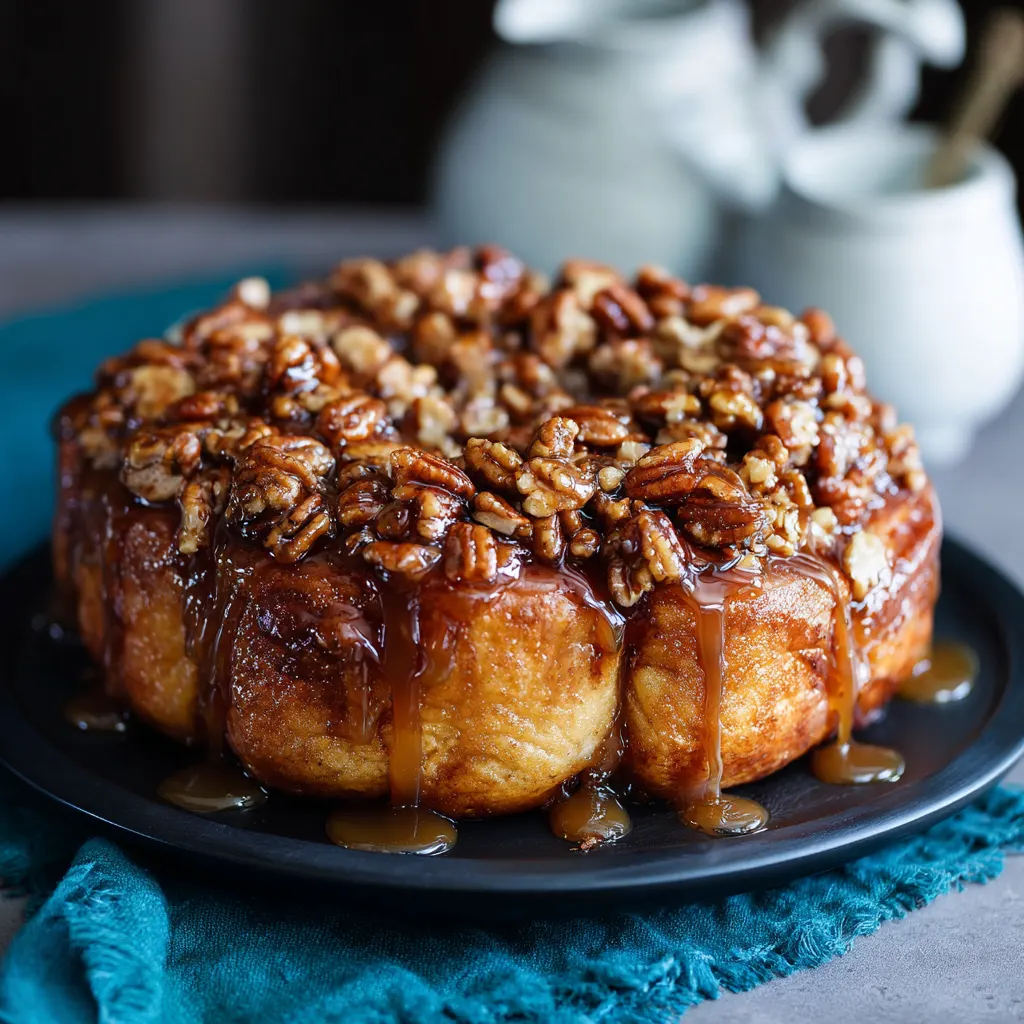
The Flip: This is the most critical step. Let the buns cool in the pan for exactly 5 minutes. Place a large heat-proof serving platter or a rimmed baking sheet upside down over the pan. Using oven mitts, firmly grip both the pan and the platter and quickly flip them over. Let the pan sit for a minute to allow the caramel to drip down before lifting it off. Serve warm.
Mastering the Foundation: The Secrets to a Soft Dough
The success of a sticky bun begins with the “crumb”—the internal texture of the bread itself. To achieve that sought-after pillowy softness, the dough must be enriched. Unlike standard bread dough, which relies on water and flour, sticky bun dough utilizes milk, eggs, and butter. These fats coat the gluten strands, preventing them from becoming too tough and resulting in a tender, melt-in-your-mouth bite.
Temperature control is paramount during the mixing phase. If your milk is too hot (above 120°F), it will kill the yeast; if it is too cold, the yeast will remain dormant, leading to a dense, heavy bun. Aim for a “lukewarm” feel, similar to a baby’s bathwater. Additionally, resist the urge to add too much flour during the kneading process. The dough should be slightly tacky to the touch. Excess flour is the number one cause of dry, bready rolls. If you are using a stand mixer, the dough should clear the sides of the bowl but still cling slightly to the bottom.
The Science of the Perfect Caramel Glaze
What separates a mediocre sticky bun from a world-class pastry is the quality of the caramel. A common pitfall is a glaze that is either too thin and runny or so hard that it sticks to your teeth. The inclusion of honey or corn syrup in this recipe is not just for sweetness; these are “invert sugars” that prevent the sucrose in the brown sugar from crystallizing. This ensures the topping remains silky and glass-like even after the buns have cooled.
For the best flavor profile, use toasted pecans. Raw pecans can become soggy when submerged in caramel; toasting them for 5–8 minutes in the oven before adding them to the pan brings out their natural oils and ensures they remain crunchy. If you prefer a more complex, “salted caramel” flavor, don’t be afraid to increase the salt in the topping by an extra quarter-teaspoon. The salt cuts through the intense sugar, highlighting the earthy notes of the pecans.
Timing and Make-Ahead Strategies
Sticky buns are often associated with breakfast, but few people want to wake up at 4:00 AM to begin a four-hour baking process. Fortunately, this dough is incredibly resilient and lends itself well to an overnight rise. After shaping the buns and placing them in the pan over the caramel, you can cover them tightly with plastic wrap and refrigerate them for up to 16 hours.
The cold environment slows down the yeast, allowing for a long, slow fermentation that actually improves the flavor of the dough. When you are ready to bake the next morning, remove the pan from the refrigerator and let it sit at room temperature for about 45–60 minutes to take the chill off and allow the buns to finish their second rise. This method ensures fresh, hot buns for breakfast with minimal morning effort.
Troubleshooting and Variations
Even experienced bakers occasionally run into issues with sticky buns. If your buns are doughy in the center but dark on the outside, your oven may be running hot. Use an oven thermometer to verify the temperature and always bake on the middle rack. If the caramel sticks to the pan during the flip, it is likely because the buns cooled for too long. If you miss the “five-minute window” and the caramel hardens, simply place the pan over a low stovetop burner for a minute to re-melt the sugar before attempting the flip again.
For those looking to experiment, the recipe is highly adaptable. You can swap the pecans for walnuts or macadamia nuts for a different texture. Adding a teaspoon of orange zest to the dough or a splash of bourbon to the caramel glaze can add a sophisticated layer of flavor. Regardless of the variations you choose, the core principles of a well-kneaded dough and a carefully monitored bake will ensure a result that is far superior to anything found in a cardboard box or a commercial bakery.