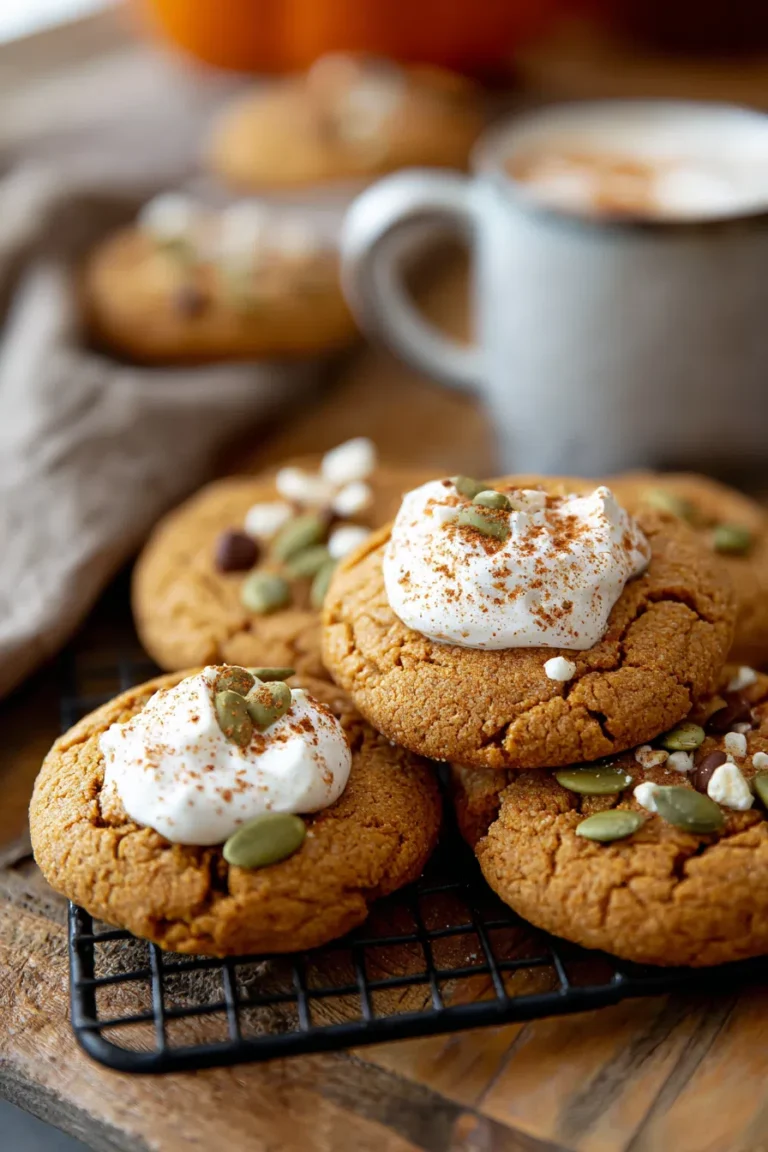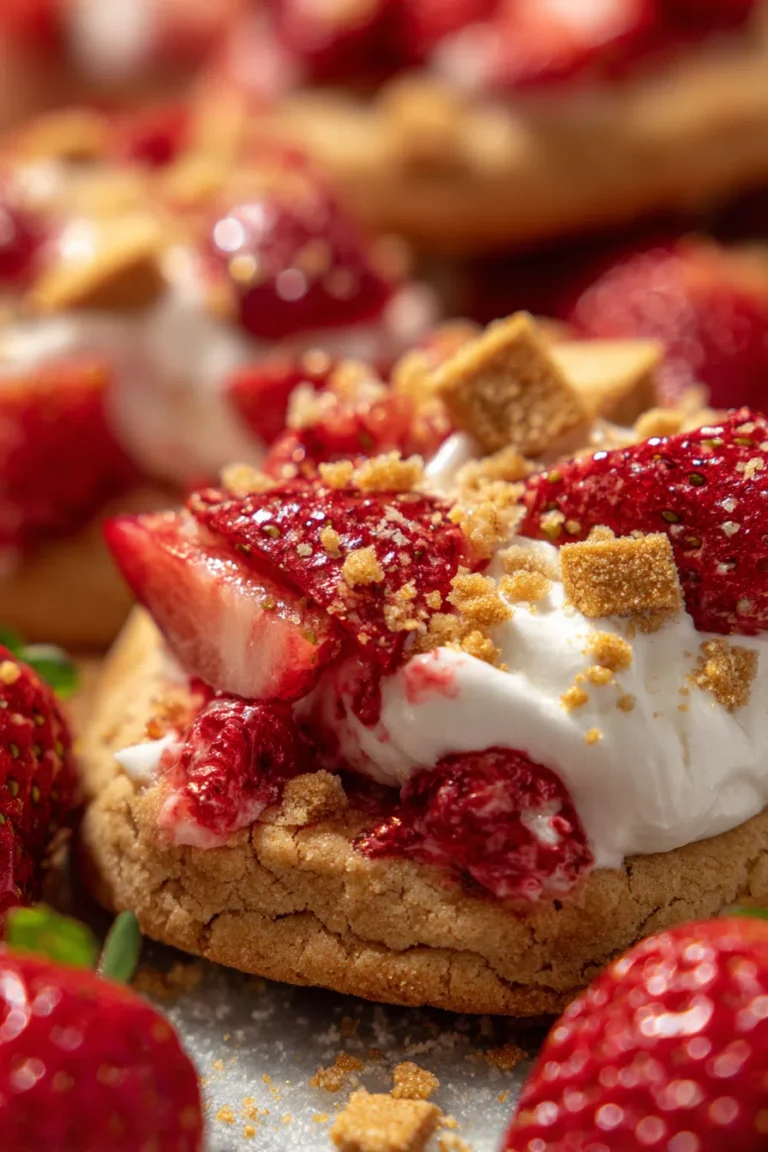
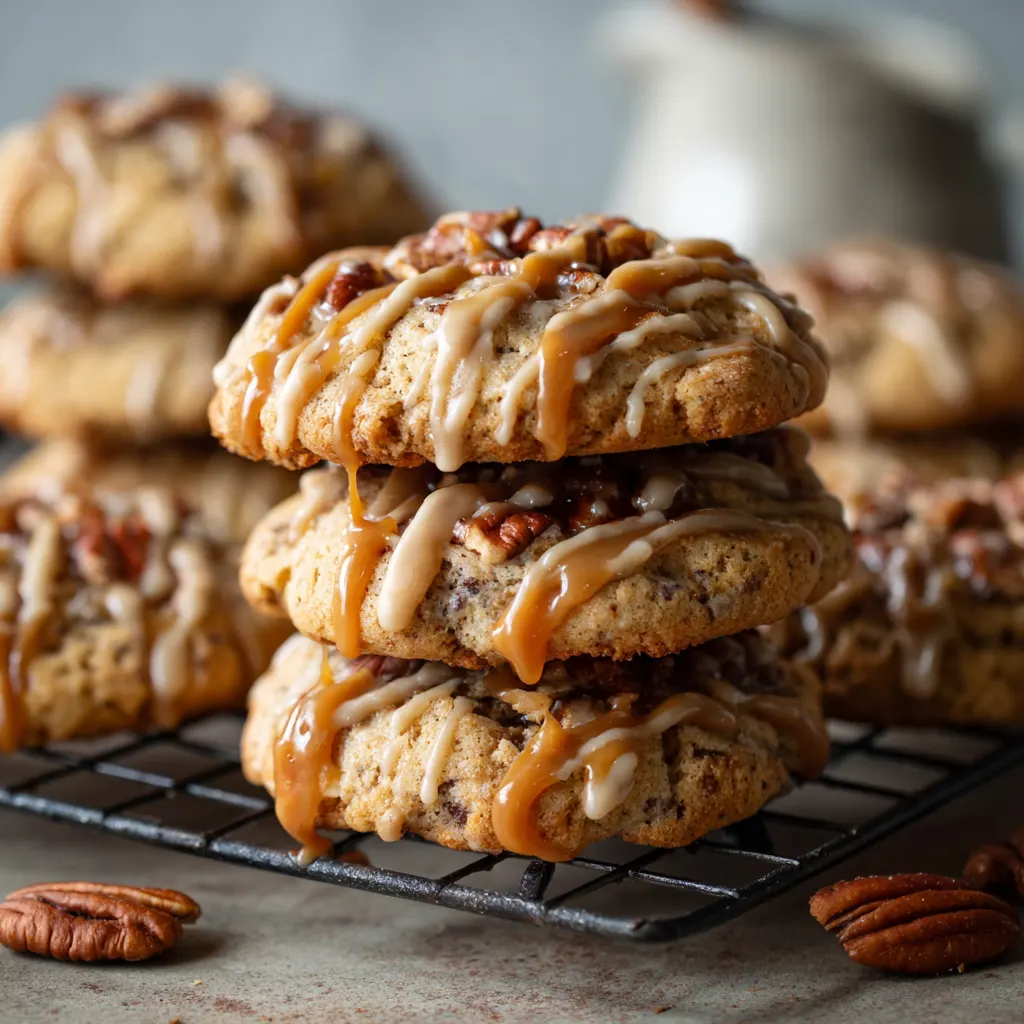
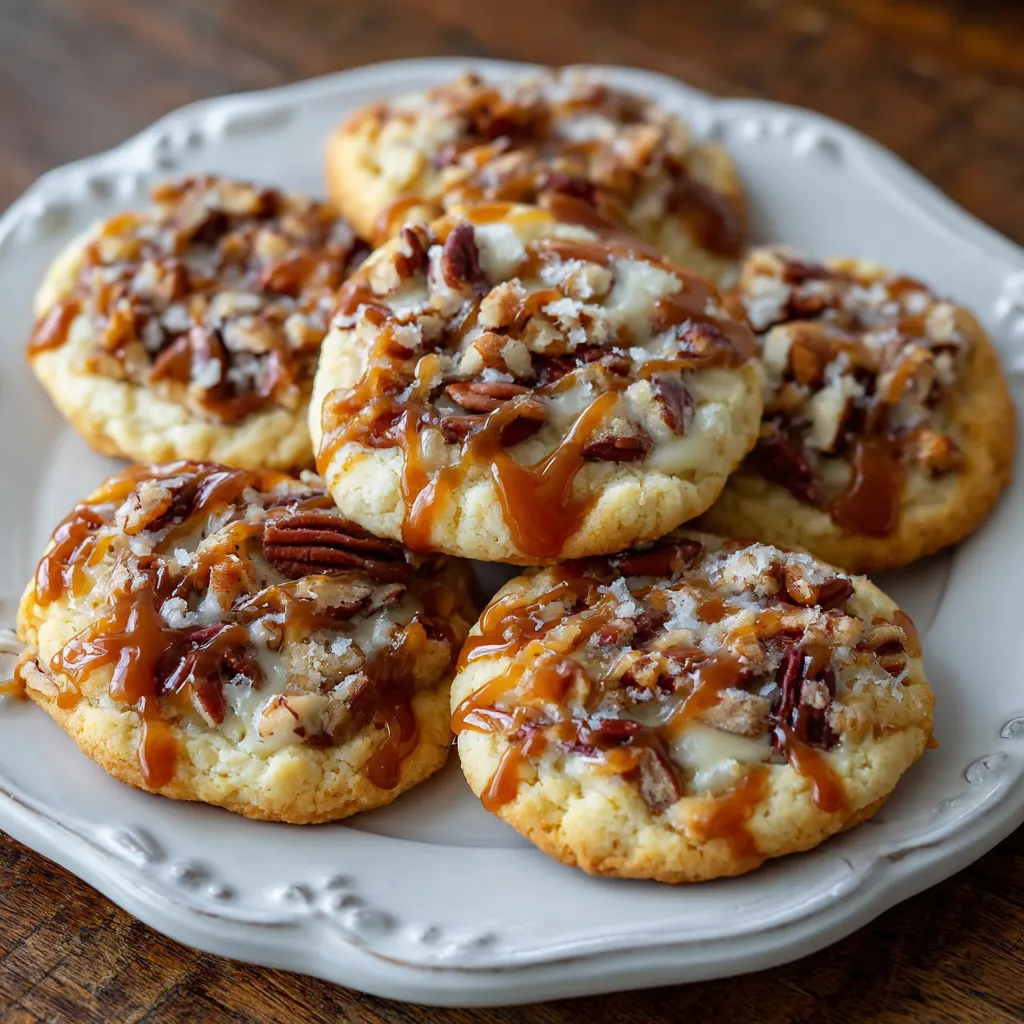
This decadent treat represents the ultimate marriage of texture and flavor, combining the rich, chewy goodness of a pecan cookie, the creamy, tangy delight of cheesecake, and the deep, buttery sweetness of caramel. Far beyond a simple drop cookie, the Caramel Pecan Cheesecake Cookie is an ambitious confection that elevates comfort baking to an art form, providing a surprise, molten-like center wrapped in a perfectly textured crust. It offers a balance of sweet, salty, and tangy notes, making it an ideal centerpiece for holiday gatherings or a luxurious weekend indulgence. The complexity of the components—the crisp edges, the soft chewiness, the creamy filling, and the slick caramel drizzle—makes this cookie truly stand out.
The Essential Recipe: Stuffed Caramel Pecan Cheesecake Cookies
This recipe is structured around the popular stuffed cookie method, ensuring a creamy, surprise cheesecake center within every bite.
Yields: 12-14 large cookies
Prep Time: 45 minutes
Chill Time: 2 hours 30 minutes (minimum)
Bake Time: 12–15 minutes
Ingredients
| Component | Item | Quantity | Notes |
| Cheesecake Filling | Full-fat cream cheese, softened | 4 oz (115g) | Must be at room temperature |
| Confectioners’ (powdered) sugar | 1/2 cup (60g) | ||
| All-purpose flour | 1 tablespoon | Helps stabilize the filling | |
| Vanilla extract | 1 teaspoon | ||
| Pecan Cookie Dough | All-purpose flour | 2 1/4 cups (280g) | Properly measured |
| Baking soda | 1 teaspoon | ||
| Salt | 1/2 teaspoon | ||
| Unsalted butter, softened | 1 cup (2 sticks/227g) | Room temperature is crucial | |
| Light brown sugar, packed | 3/4 cup (150g) | ||
| Granulated sugar | 1/2 cup (100g) | ||
| Large eggs, room temperature | 2 | ||
| Vanilla extract | 2 teaspoons | ||
| Finely chopped pecans, toasted | 1/2 cup | For folding into the dough | |
| Graham cracker crumbs (optional) | 1/4 cup | For added base flavor | |
| Caramel Topping | Thick caramel sauce | 1/2 cup | Homemade or high-quality store-bought |
| Chopped pecans, toasted | 1/4 cup | For garnish | |
| Flaky sea salt (optional) | Pinch | For sprinkling |
Step-by-Step Instructions
1. Prepare and Freeze the Cheesecake Filling:
-
In a small bowl, use an electric mixer to beat the softened cream cheese until perfectly smooth and lump-free.
-
Gradually beat in the confectioners’ sugar, 1 tablespoon of flour, and 1 teaspoon of vanilla extract until fully combined and creamy.
-
Line a small baking sheet with parchment paper. Using a teaspoon or a small cookie scoop, drop the filling into 12 to 14 uniform mounds.
-
Place the baking sheet in the freezer for at least 30 minutes, or until the filling balls are firm and easy to handle.
2. Prepare the Pecan Cookie Dough:
-
In a medium bowl, whisk together the flour, baking soda, salt, and graham cracker crumbs (if using). Set aside.
-
In a large bowl, cream the softened butter, brown sugar, and granulated sugar together using an electric mixer on medium-high speed for 2–3 minutes until light and fluffy. This step incorporates air and is vital for cookie texture.
-
Beat in the eggs one at a time, followed by the vanilla extract, scraping down the sides of the bowl as needed.
-
Gradually add the dry ingredient mixture to the wet ingredients, mixing on low speed until just combined. Do not overmix.
-
Fold in the toasted, chopped pecans by hand using a spatula.
3. Assemble and Chill the Cookies:
-
Using a large cookie scoop (about 3 tablespoons of dough), scoop out the dough. Divide each scoop in half.
-
Take one half and flatten it into a disk in your palm. Remove a frozen cheesecake filling ball from the freezer and place it in the center of the dough disk.
-
Take the second half of the dough and flatten it to place over the filling. Carefully pinch and roll the edges of the dough together, sealing the filling entirely inside. Roll the dough into a smooth ball.
-
Place the assembled dough balls on a parchment-lined baking sheet, spacing them 2-3 inches apart.
-
Crucial Step: Chill the assembled cookies in the refrigerator for a minimum of 2 hours, or preferably overnight. This prevents spreading and keeps the filling centered.
4. Bake and Finish:
-
Preheat your oven to 350°F (175°C).
-
Bake the chilled cookies for 12–15 minutes. The edges should be set and lightly golden brown, but the centers may still look soft. Do not overbake.
-
Remove from the oven and allow the cookies to cool on the baking sheet for 5 minutes before transferring them to a wire rack to cool completely.
-
Once cooled, drizzle generously with caramel sauce and sprinkle with the remaining toasted pecans and a pinch of flaky sea salt, if desired.
Ingredient Deep Dive: Secrets to the Perfect Texture
The success of a Caramel Pecan Cheesecake Cookie lies in understanding how each key ingredient contributes to the final texture and flavor profile. Optimization is achieved by focusing on specific preparation techniques for the four main elements.
1. The Butter Foundation:
The use of butter is paramount. Many expert bakers recommend browning the butter for the cookie dough. Browning the butter—cooking it gently until the milk solids toast and turn golden brown—introduces a deep, nutty, toffee-like complexity that intensifies the “caramel” notes in the cookie base itself. The browned butter must be cooled back to room temperature (or slightly firm) before being creamed with the sugars. Additionally, ensuring the main butter component is genuinely at room temperature is non-negotiable for creaming, as cold butter results in a dense, crumbly dough, while melted butter causes the cookies to spread excessively.
2. Cream Cheese Consistency:
For the filling, the cream cheese must be thoroughly softened. A common mistake is using cream cheese that is too cold, leading to lumps in the filling that will not melt or smooth out during baking. Using an electric mixer to beat the cream cheese alone until it is velvety smooth before adding the powdered sugar is essential. The inclusion of a small amount of flour in the filling acts as a stabilizer, helping the cheesecake core set slightly faster than the cookie dough, minimizing the risk of the filling exploding or leaking out.
3. Toasted Pecans for Aromatic Depth:
Pecans, especially in a dessert where they share the spotlight, should always be toasted. Raw pecans possess a dull, earthy flavor, whereas toasting them (either on a dry pan or in a low oven) unlocks their oils, enhancing their natural sweetness and butteriness. Toasting elevates the nut from a mere textural element to a core aromatic component of the cookie. They should be cooled completely and finely chopped before being folded into the dough to ensure even distribution.
4. The Caramel Component:
While homemade caramel offers unparalleled depth, a high-quality, thick store-bought caramel sauce is often sufficient. The key is thickness. A runny caramel sauce will simply soak into the cookie, losing its visual appeal and textural contrast. A thick sauce, whether homemade or doctored (by reducing it slightly or incorporating a small amount of cornstarch), will sit beautifully on top of the cookie, providing a distinct, gooey topping.
Mastering the Method: Troubleshooting and Assembly Techniques
The unique nature of the stuffed cookie requires precision in assembly to prevent common baking failures, such as filling blowouts or excessive spreading.
The Power of the Freeze and Chill:
This recipe relies heavily on chilling time. The first essential step is freezing the cheesecake filling. This step is critical because it gives the filling enough structural integrity to be encased in the dough without smearing or dissolving. It allows the cookie dough to form a protective layer around the filling before the heat causes the filling to soften. The second, equally crucial step is chilling the assembled cookies for at least two hours. Chilling re-solidifies the butter in the cookie dough, slowing down the spread during baking. This results in a thicker cookie and ensures the encapsulated filling remains centered.
Sealing the Deal:
When wrapping the dough around the frozen filling, the primary goal is a complete seal. The dough should fully enclose the filling, with no cracks or visible seams. When placing the two dough halves around the filling ball, gently pinch the seams together using your thumb and index finger. Once sealed, roll the dough between your palms into a smooth sphere. This firm ball ensures that as the cookie spreads, the filling is securely contained, preventing those messy, leaked-out cheesecake puddles.
Achieving the Perfect Bake:
Baking these cookies slightly underdone is the secret to their final texture. The cookies should be removed from the oven when the edges are set and just beginning to turn golden brown. The center will look slightly puffy and soft. As the cookie cools on the baking sheet, residual heat will continue to cook the center, achieving that perfect balance between a sturdy, chewy cookie base and a creamy, non-liquid filling. Immediately after removing the cookies, some bakers gently press the center of the cookie with a small spoon to create a shallow “well” which is perfect for cradling the caramel topping.
Flavor Variations and Customization
While the classic Caramel Pecan Cheesecake Cookie is perfect, its structure allows for numerous exciting variations, enabling bakers to customize the experience for any occasion or preference.
1. The Turtle Twist (Chocolate Infusion):
For those who love the classic Turtle candy flavor profile, adding chocolate is a simple yet impactful modification. Incorporate 1/2 cup of mini semi-sweet chocolate chips into the cookie dough alongside the pecans. For the topping, use a combination of caramel sauce and a rich chocolate ganache drizzle, reinforcing the chocolate-caramel-pecan trinity.
2. The Cookie Cup Format:
If time is a concern, or if you prefer a mini-cheesecake aesthetic, the “cookie cup” is an excellent alternative. Instead of stuffing, use a muffin tin. Press a portion of the pecan cookie dough into the base and up the sides of the muffin liner to form a cup. Partially bake the cookie crust, then pour a slightly thinner cheesecake filling (often made with sweetened condensed milk and eggs for a baked custard texture) over the crust. Bake until the cheesecake is set, cool, and then top with the caramel and pecans. This method offers a higher filling-to-crust ratio.
3. Nut and Spice Substitutions:
-
Walnuts or Macadamia Nuts: Substitute pecans with toasted walnuts for a slightly more bitter, complex note, or use macadamia nuts for a creamy, tropical crunch.
-
Brown Butter & Cinnamon: Infuse the cookie dough with more warmth by browning all the butter and adding 1/2 teaspoon of ground cinnamon or nutmeg to the dry ingredients, enhancing the spiced autumnal notes.
4. Salted Caramel Finish:
For a sophisticated flavor contrast, use a high-quality salted caramel sauce or simply finish the drizzled caramel topping with a generous sprinkle of flaky sea salt. The salt crystals cut through the sweetness of the caramel and the tang of the cheesecake, creating an irresistible complexity that encourages subsequent bites.
Serving, Storage, and Optimization
Proper handling of these specialized cookies ensures they retain their optimal texture and flavor for days after baking.
Ideal Serving Conditions:
Caramel Pecan Cheesecake Cookies are best served slightly cooled or at room temperature. Serving them warm is possible, but the cheesecake filling will be very soft—almost liquid—and the cookie may crumble. Serving them directly out of the refrigerator keeps the filling firm and provides a crisp, cool contrast to the chewy cookie base. They pair exceptionally well with strong beverages, such as a bold cup of dark-roast coffee, an espresso, or a glass of dry dessert wine, which helps balance the richness of the caramel and cream cheese.
Maximizing Shelf Life:
Due to the perishable cream cheese filling, these cookies require specific storage. They must be stored in an airtight container in the refrigerator. When stored correctly, they will remain fresh for up to 5 days. For the best quality, remove them from the refrigerator 15-20 minutes before serving to allow the dough to soften slightly, while the cheesecake filling remains cool and firm.
Freezing for Future Baking:
This recipe is highly freezer-friendly, allowing for bulk preparation.
-
Freeze the Dough Balls: Once the cookies are fully assembled (with the filling sealed inside) and chilled, place the raw dough balls in a single layer in a freezer-safe bag or container. They can be frozen for up to 3 months.
-
Baking from Frozen: When ready to bake, place the frozen dough balls directly on a parchment-lined baking sheet. Add 2–4 minutes to the original bake time (baking them at 350°F / 175°C) to compensate for the frozen core. This method results in thicker, chewier cookies, as the cold dough resists spreading initially.
-
Freezing Baked Cookies: Baked and cooled cookies can also be frozen (without the caramel and pecan topping). Thaw them overnight in the refrigerator, and then apply the caramel topping just before serving.