The Ultimate Caramel Cream Cheese Stuffed Cookies: A Decadent Homemade Guide
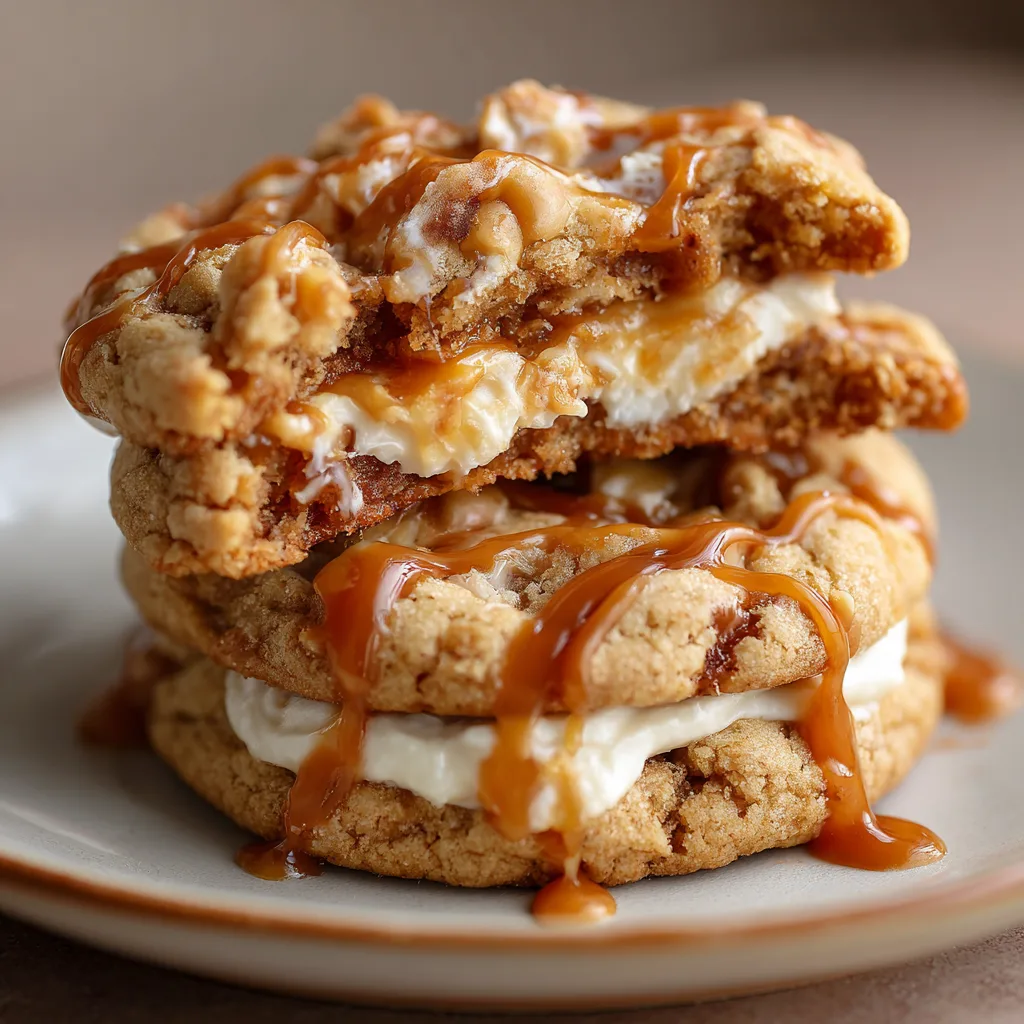
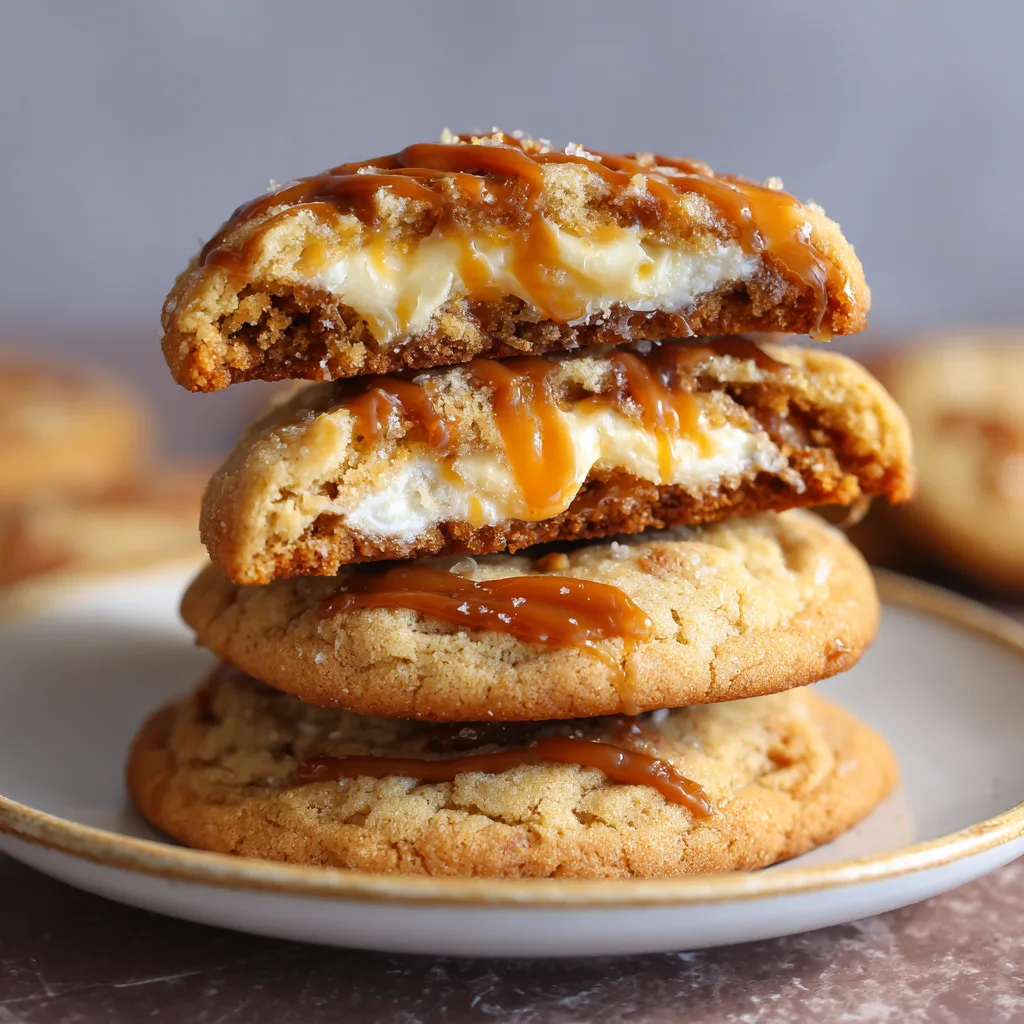
There is something inherently magical about a cookie that hides a secret. While a classic chocolate chip cookie is a staple of the baking world, the Caramel Cream Cheese Stuffed Cookie elevates the experience into the realm of gourmet patisserie. Imagine a golden, buttery exterior with slightly crisp edges and a soft, chewy center that gives way to a dual core of tangy, velvety cream cheese and a molten, golden caramel ribbon. This recipe strikes the perfect balance between the saltiness of the caramel and the brightness of the cream cheese, ensuring each bite is a complex interplay of textures and flavors. It is the ultimate indulgence for those who believe that a cookie should be more than just a snack—it should be an event.
The Essential Recipe
Ingredients
-
For the Cream Cheese Filling:
-
8 oz full-fat cream cheese, softened to room temperature
-
1/4 cup powdered sugar
-
1 tsp pure vanilla extract
-
12–15 soft caramel squares (or 1/2 cup high-quality salted caramel sauce, chilled)
-
-
For the Cookie Dough:
-
1 cup (2 sticks) unsalted butter, softened
-
3/4 cup granulated white sugar
-
3/4 cup packed light brown sugar
-
2 large eggs, room temperature
-
1 tbsp pure vanilla extract
-
3 cups all-purpose flour
-
1 tsp baking soda
-
1/2 tsp salt
-
Optional: Sea salt flakes for topping
-
Step-by-Step Instructions
-
Prepare the Filling: In a medium bowl, beat the softened cream cheese, powdered sugar, and vanilla until smooth. On a parchment-lined tray, drop small teaspoons of the mixture (about 15 dollops). If using caramel squares, press one square into the center of each dollop. If using sauce, create a small indentation in the cream cheese and fill with a half-teaspoon of chilled sauce. Freeze these “filling pods” for at least 1 hour until completely firm.
-
Cream the Butter and Sugars: In a large stand mixer, cream the softened butter with the granulated and brown sugars for 3–5 minutes until light and fluffy. This aeration is key to the cookie’s structure.
-
Add Wet Ingredients: Beat in the eggs one at a time, followed by the vanilla extract. Scrape down the sides of the bowl to ensure even mixing.
-
Incorporate Dry Ingredients: In a separate bowl, whisk together the flour, baking soda, and salt. Gradually add the dry mixture to the wet ingredients on low speed until just combined. Do not overmix.
-
Stuff the Cookies: Take about 2 tablespoons of cookie dough and flatten it in your palm. Place a frozen cream cheese/caramel pod in the center. Fold the dough around the filling, pinching the edges to seal it completely. Ensure there are no gaps where the caramel might leak out.
-
Chill the Dough: Place the stuffed dough balls on a tray and refrigerate for at least 30 minutes. This prevents the cookies from spreading too thin in the oven.
-
Bake: Preheat your oven to 350°F (175°C). Line a baking sheet with parchment paper. Space the chilled dough balls 3 inches apart. Bake for 12–14 minutes, or until the edges are just golden brown but the centers still look slightly soft.
-
Finish and Cool: Remove from the oven and immediately sprinkle with sea salt flakes if desired. Let the cookies cool on the baking sheet for at least 10 minutes to allow the molten center to set before moving them to a wire rack.
Understanding the Science of the Stuffed Cookie
The success of a stuffed cookie relies on the management of temperatures and fat content. To achieve that iconic “molten” center without having the cookie collapse, the filling must be significantly colder than the dough when it enters the oven. By freezing the cream cheese and caramel pods, you create a thermal delay. While the outer cookie dough begins to bake and set its structure, the frozen core slowly thaws. By the time the filling reaches a liquid state, the cookie walls are strong enough to contain it.
Furthermore, the choice of cream cheese is paramount. It is essential to use “brick” style, full-fat cream cheese rather than the whipped or tub varieties. Tub cream cheese contains more water and air, which can cause the filling to steam and explode through the side of the cookie during baking. The high fat content in brick cream cheese provides the stability needed to maintain a creamy, cheesecake-like texture even after being subjected to high heat.
The caramel component also requires consideration. If using soft caramel squares, they provide a “chewy” surprise. If you prefer a “lava” effect, a high-quality, thick salted caramel sauce is preferable. The salt in the caramel serves a functional purpose beyond flavor; it cuts through the heavy sugars of the dough, preventing the cookie from feeling cloyingly sweet and instead creating a sophisticated, balanced profile.
Mastering the Technique: Filling and Sealing
The most common challenge when baking stuffed cookies is “leakage,” where the caramel melts and find a path of least resistance through the dough, resulting in a burnt sugar puddle on the baking sheet. To prevent this, the sealing process must be meticulous. When wrapping the dough around the frozen filling, think of it as creating a vacuum seal. There should be no visible seams. A helpful tip is to roll the dough into a perfect sphere between your palms after the filling is enclosed; the heat from your hands will lightly melt the surface of the dough, helping to “weld” any cracks shut.
Size also matters. A stuffed cookie is naturally larger than a standard drop cookie. Because of the volume of the filling, you are essentially baking a “jumbo” cookie. This means you must resist the urge to crowd the baking sheet. Giving each cookie ample space ensures that the hot air of the oven can circulate 360 degrees around the dough, setting the edges quickly to provide the structural integrity needed to hold the heavy center.
If you find that your cookies are spreading too much despite chilling, check the temperature of your butter during the initial mixing phase. Butter should be “cool-room temperature”—pliable enough to indent with a finger but not so soft that it looks greasy. If the butter is too warm at the start, the fat molecules will collapse too quickly in the oven, leading to a flat cookie that cannot support the weight of the cream cheese and caramel.
Flavor Variations and Creative Customizations
While the classic vanilla bean dough is a perfect canvas, the Caramel Cream Cheese Stuffed Cookie is highly adaptable to seasonal trends and personal preferences. One of the most popular variations is the “Salted Caramel Mocha” version. By replacing half a cup of the all-purpose flour with high-quality cocoa powder and adding a tablespoon of espresso powder to the dough, you transform the cookie into a deep, dark chocolate treat that mimics a high-end coffee house beverage.
For autumn, many bakers opt for a “Pumpkin Spice” variation. This involves adding pumpkin purée to the dough (and blotting the purée with paper towels to remove excess moisture) along with cinnamon, nutmeg, and cloves. The tanginess of the cream cheese filling naturally complements the pumpkin, essentially creating a portable pumpkin cheesecake with a caramel twist.
You can also experiment with the exterior texture. Before baking, try rolling the stuffed dough balls in a mixture of cinnamon sugar (for a Snickerdoodle effect) or crushed toasted pecans. The pecans add a necessary crunch that contrasts beautifully with the soft filling. For an ultra-modern look, a drizzle of dark chocolate ganache over the cooled cookies, finished with a few grains of smoked sea salt, can turn these home-baked goods into something worthy of a professional bakery display.
Storage, Longevity, and Serving Suggestions
Because these cookies contain cream cheese, storage requires a bit more care than a standard sugar cookie. Once the cookies have cooled completely, they can stay at room temperature in an airtight container for up to 24 hours. However, for the best food safety and to maintain the texture of the filling, it is recommended to store them in the refrigerator. In a sealed container, they will remain fresh for up to 5 days.
The true secret to enjoying a Caramel Cream Cheese Stuffed Cookie, however, is the reheat. When cold, the caramel and cream cheese firm up. To recapture that “straight-from-the-oven” magic, place a cookie in the microwave for 10–15 seconds or in a warm oven (300°F) for 5 minutes. This softens the caramel back into its liquid state and ensures the cream cheese is velvety rather than cold and stiff.
For those who like to plan ahead, these cookies are excellent candidates for freezing. You can freeze the stuffed, unbaked dough balls for up to three months. When the craving strikes, you can bake them directly from the freezer—just add two to three minutes to the total baking time. This allows you to have a warm, gourmet dessert ready at a moment’s notice, proving that with a little preparation, the most complex and delicious treats are always within reach.