The Decadent Guide to Caramel Cinnamon Roll Twists: A Sticky-Sweet Masterpiece
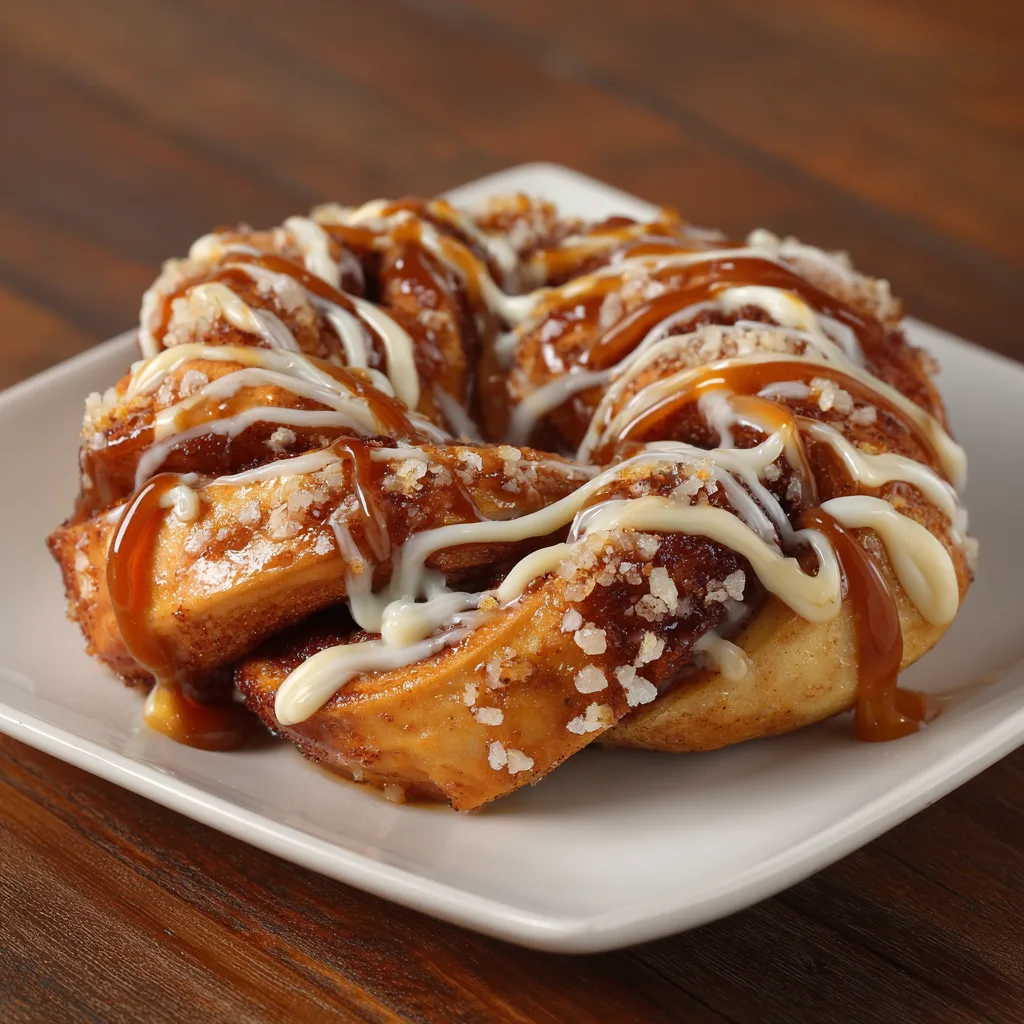
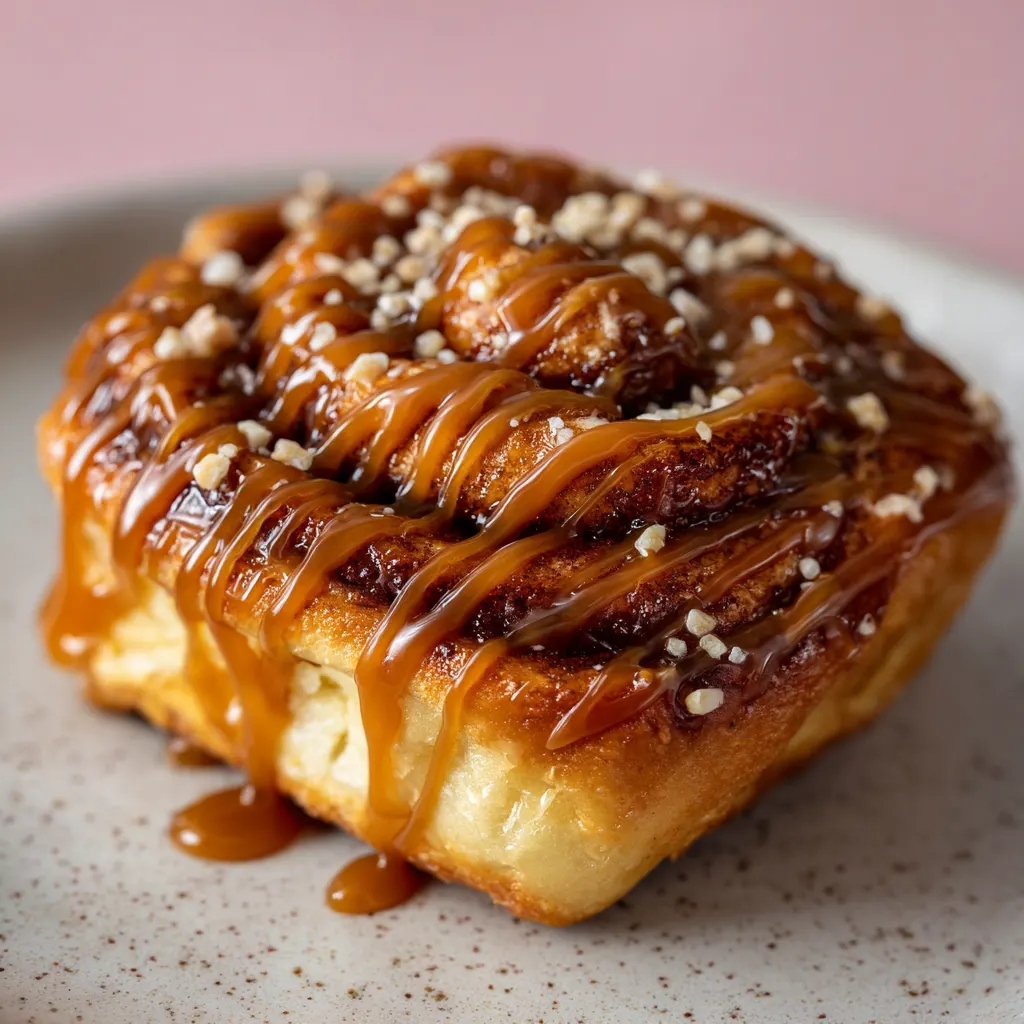
The Caramel Cinnamon Roll Twist takes the comfort of a classic cinnamon roll and elevates it with a deep, buttery, pre-baked caramel topping and a unique, light-catching twisted shape. This confection offers a satisfying contrast: a soft, pillowy yeast dough infused with warm spice, perfectly balanced by a dark, gooey pool of caramel that, when inverted, coats every surface. The “twist” technique ensures maximum caramel exposure and a delicate texture far beyond a simple slice, transforming this beloved baked good into an irresistible centerpiece for brunch or dessert.
Ingredients
For the Dough
-
4 1/2 cups (560g) strong white bread flour or all-purpose flour, plus extra for dusting
-
1 package (7g or 2 1/4 tsp) instant dry yeast
-
1/2 cup (100g) granulated sugar
-
1 teaspoon fine salt
-
1 cup (240ml) whole milk
-
1/2 cup (113g) unsalted butter, melted and cooled slightly
-
2 large eggs, lightly beaten
For the Cinnamon Filling
-
1/2 cup (113g) unsalted butter, softened to room temperature
-
1 cup (200g) packed light brown sugar
-
2 tablespoons ground cinnamon
For the Caramel Coating (Sticky Pan Base)
-
1 cup (225g) unsalted butter
-
1 1/2 cups (340g) packed light brown sugar
-
1/4 cup (60ml) light corn syrup (optional, helps prevent crystallization)
-
1/2 teaspoon fine salt
-
1 cup (115g) toasted pecans or walnuts, chopped (optional)
Step-by-Step Instructions
I. Prepare the Dough
-
Activate & Combine: In a large bowl or the bowl of a stand mixer, combine the flour, yeast, sugar, and salt. Gently whisk to distribute evenly.
-
Combine Wet Ingredients: In a separate container, whisk together the warm milk (heated to 105°F–115°F), melted butter, and beaten eggs.
-
Mix & Knead: Pour the wet ingredients into the dry ingredients. Mix on low speed (or with a wooden spoon) until a shaggy dough forms. Switch to a dough hook attachment (or turn out onto a lightly floured surface) and knead for 8 to 10 minutes until the dough is smooth, elastic, and pulls away cleanly from the sides of the bowl.
-
First Rise (Bulk Fermentation): Place the dough in a large, lightly oiled bowl, turning to coat. Cover the bowl tightly with plastic wrap or a damp towel. Let the dough rise in a warm, draft-free place for 1 to 1.5 hours, or until doubled in size.
II. Prepare the Caramel Base
-
Melt & Mix: While the dough rises, prepare the sticky base. In a medium saucepan, melt the 1 cup of butter over medium heat. Remove from heat and stir in the brown sugar, corn syrup (if using), and salt until thoroughly combined and smooth.
-
Coat Pan: Pour the mixture evenly into a 9×13 inch baking pan. If using nuts, sprinkle the chopped pecans or walnuts evenly over the caramel mixture. Set the pan aside.
III. Shape and Twist the Rolls
-
Prepare Filling: In a small bowl, combine the softened butter, brown sugar, and cinnamon for the filling, mixing until a smooth, spreadable paste forms.
-
Roll Dough: Gently punch down the risen dough and turn it out onto a lightly floured surface. Roll the dough into a large rectangle, approximately 18×12 inches.
-
Spread Filling: Spread the cinnamon filling evenly over the entire surface of the dough rectangle, leaving a small, half-inch border along one long edge.
-
Fold and Cut: Starting from the long edge closest to you, roll the dough tightly into a log. Pinch the seam shut. Now, use a sharp knife or unscented dental floss to cut the log into 16 to 18 equal, 1-inch slices.
-
The Twist: For each roll, gently take the sides of the slice and twist the dough in opposite directions until a defined spiral or figure-eight shape forms. If the shape is too loose, you can wrap the dough ends over or under the bun to secure them. Place each twisted roll cut-side up into the prepared caramel pan, ensuring they are slightly spaced apart.
IV. Final Rise and Bake
-
Second Rise: Cover the pan loosely with plastic wrap or a kitchen towel. Let the rolls rise in a warm place for 30 to 45 minutes, or until they look puffy and have nearly doubled in size (they should just begin touching).
-
Bake: Preheat your oven to 350°F (175°C). Bake the rolls for 25 to 30 minutes, or until the tops are golden brown and the caramel is bubbling along the edges.
-
Invert and Serve: Immediately upon removing the pan from the oven, place a large serving platter or cutting board over the baking dish. Using oven mitts, carefully but quickly invert the pan. Let it sit for 2–3 minutes to allow the caramel to fully drip down and coat the twists. Lift the pan and serve the Caramel Cinnamon Roll Twists warm.
The Subtle Science of Twisted Dough
Achieving the perfect Caramel Cinnamon Roll Twist relies heavily on mastering the dough itself. Unlike traditional round cinnamon rolls, the twisted shape demands a specific level of gluten development and elasticity to hold its form through the proofing and baking process.
Yeast and Proofing Precision
The foundation of a light, fluffy twist is a robustly active yeast. It is critical to ensure the milk is warmed to the optimal temperature range (105°F–115°F) before combining it with the rest of the wet ingredients; milk that is too cool will stall the yeast, while milk that is too hot will kill it. For the initial bulk fermentation (first rise), aim for a doubling in volume, rather than a fixed time. A slightly cooler rise (around 70°F) over a longer period can result in a more complex flavor profile.
The kneading process is equally vital. Whether using a stand mixer or kneading by hand, the goal is to develop the gluten sufficiently to allow the dough to be rolled thinly and withstand the twisting. A well-kneaded dough should pass the “windowpane test”—you should be able to stretch a small piece of dough thin enough to see light through it without tearing. This elasticity prevents the twists from snapping back into a simple disc shape after cutting and before baking.
The Dynamics of the Twist
The act of twisting is what defines this pastry and elevates its presentation. While a simple log cut (traditional cinnamon roll) offers limited surface area for the caramel, the twist maximizes it. The technique used—cutting the log into strips and twisting those strips in opposite directions—exposes layers of dough and filling, allowing the caramel from the pan to seep into every crevice during the bake. This process is key to the ultimate gooey texture.
To ensure success, chill the log for 10–15 minutes after rolling it up but before cutting. This firming of the butter and dough makes the log easier to slice cleanly without crushing the delicate spiral layers, resulting in sharper edges that hold the twist shape better during the second rise. When twisting, a gentle, deliberate motion is best; overworking the dough at this stage can tear the layers.
The Secret to Gooey Caramel Perfection
The defining feature of a Caramel Cinnamon Roll Twist is the luxurious, sticky caramel that envelopes the pastry. This is achieved using the sticky-bun method, where the caramel base is placed in the pan before the dough, creating an upside-down cake dynamic.
Building a Rich Caramel Base
The caramel coating is typically a non-crystalline mixture of butter, brown sugar, and a stabilizer like corn syrup. The brown sugar provides a deep, molasses-rich flavor that granulated sugar alone cannot match. The ratio of butter to sugar is critical; a generous amount of butter ensures the caramel remains soft, pliable, and incredibly gooey even after cooling slightly.
For an advanced flavor, consider a toasted sugar or toasted cream variation, inspired by Belgian baking traditions. By gently heating and stirring granulated sugar until it deepens in color before adding the butter and cream, one can introduce complex, toffee-like notes into the final caramel. Alternatively, using a small amount of dark brown sugar (as opposed to light) will deepen the overall hue and intensify the molasses flavor, creating a more dramatic contrast with the pale, fluffy dough.
Preparing the Pan for Inversion
Proper pan preparation is non-negotiable for a sticky-bun style pastry. Once the caramel base is poured in, ensure it is spread evenly across the bottom. If incorporating nuts, toast them lightly beforehand to enhance their flavor and texture, then sprinkle them evenly over the caramel base.
It is crucial to let the baked twists rest for only 2–3 minutes after removal from the oven before inverting. If inverted too quickly, the liquid caramel may run off the rolls too rapidly. If allowed to cool for too long, the caramel will set and solidify, adhering the twists firmly to the bottom of the pan and making inversion impossible without damage. The brief resting period allows the caramel to thicken slightly while remaining molten, guaranteeing a perfect, glossy coating upon serving.
Controlling the Flavor Balance: Filling and Seasoning
While the dough and caramel provide the texture and sweetness, the cinnamon filling is the aromatic soul of the twist. Achieving optimal flavor requires attention to ingredient quality and application technique.
The Ideal Cinnamon Filling
The filling should be a spreadable, creamy paste, not a dry mixture. This texture is achieved by thoroughly creaming softened (not melted) butter with brown sugar and a high-quality, fragrant ground cinnamon. The goal is to maximize the amount of filling applied without causing excessive leakage during proofing or baking.
When spreading the filling across the dough, ensure an even, thin layer is applied right up to the edges (except the one sealing edge). An uneven spread results in rolls with inconsistent flavor pockets. For a truly professional result, consider using a higher-grade cinnamon, such as Vietnamese (Saigon) or Ceylon, which offer a stronger, more complex fragrance than standard cassia cinnamon. A small pinch of nutmeg or cardamom can also be incorporated to deepen the spice complexity without overpowering the primary cinnamon note.
Addressing Filling Leakage
A common challenge is “weeping,” where the filling melts and leaks out during the second rise or the early stages of baking. This is often caused by using butter that is too soft or melted, or a room temperature that is too warm during the proofing stage. To mitigate this:
-
Use softened, not melted, butter in the filling.
-
Chill the rolled log briefly before slicing.
-
Use a controlled, warm environment for the second rise (like a slightly warmed oven), but ensure it never exceeds 100°F, which would melt the filling prematurely.
Advanced Techniques and Serving Variations
The versatility of the Caramel Cinnamon Roll Twist allows for several creative adaptations and practical considerations for serving and storage.
Make-Ahead and Overnight Proofing
For the ultimate ease on a Sunday morning, these twists can be prepared the night before. Follow the instructions up to the point of placing the shaped, twisted rolls into the caramel-coated pan. Instead of letting them rise immediately, cover the pan tightly with plastic wrap and refrigerate overnight for 8 to 16 hours. The cold temperature will slow the yeast fermentation dramatically.
On baking day, remove the pan from the refrigerator and let the twists stand at room temperature for 1 to 1.5 hours to warm up and complete the final proof (often called the “third rise”). They should look puffy before baking. This cold-fermentation technique not only simplifies your morning but also develops a richer, more nuanced flavor in the dough itself.
Decadent Flavor Enhancements
While delicious on its own, the Caramel Cinnamon Roll Twist welcomes complementary flavors:
-
Pecan or Walnut Inclusion: As noted in the main recipe, adding toasted pecans or walnuts to the caramel base adds a crucial textural counterpoint to the soft dough and gooey caramel.
-
Salted Caramel: A generous sprinkle of flaky sea salt over the caramel after inversion balances the intense sweetness and enhances the overall complexity of the flavor profile.
-
Liqueur Infusion: For an adult twist, a splash of bourbon, rum, or brandy can be added to the homemade caramel sauce just after it has finished cooking. The alcohol adds a warming note that complements the cinnamon and brown sugar.
Storage and Reheating
Caramel Cinnamon Roll Twists are best served warm, straight from the pan. However, leftovers can be stored in an airtight container at room temperature for up to two days, or refrigerated for up to five days. To revive their texture and gooeyness, reheat them gently in a preheated oven at 300°F (150°C) for about 10–15 minutes, or briefly in a microwave if serving immediately. Reheating is essential to soften the butter and caramel, restoring the pastry to its initial glorious state.