Best Ever Dango Japanese Recipe Ideas
Dango, those delightful chewy rice flour dumplings, are a beloved Japanese sweet treat. From classic mitarashi dango glazed with a sweet and savory soy sauce to colorful hanami dango enjoyed during cherry blossom season, there’s a dango for every occasion and palate. This article explores the best ever dango recipe ideas, offering a comprehensive guide to creating these delightful morsels at home.
Understanding Dango: A Japanese Delicacy
Before diving into recipes, it’s important to understand the essence of dango. Dango are made primarily from mochiko (sweet rice flour), joshinko (non-glutinous rice flour), or a combination of both. The ratio of these flours affects the texture, with mochiko lending a chewier consistency and joshinko providing a firmer bite. The dough is then formed into small balls, boiled or steamed, and often grilled before being served with various toppings and sauces. Dango are a staple at Japanese festivals and celebrations, embodying simplicity and deliciousness.
Classic Dango Recipes: Mastering the Fundamentals
Let’s explore some classic dango recipes to build a solid foundation:
Mitarashi Dango: Sweet and Savory Perfection
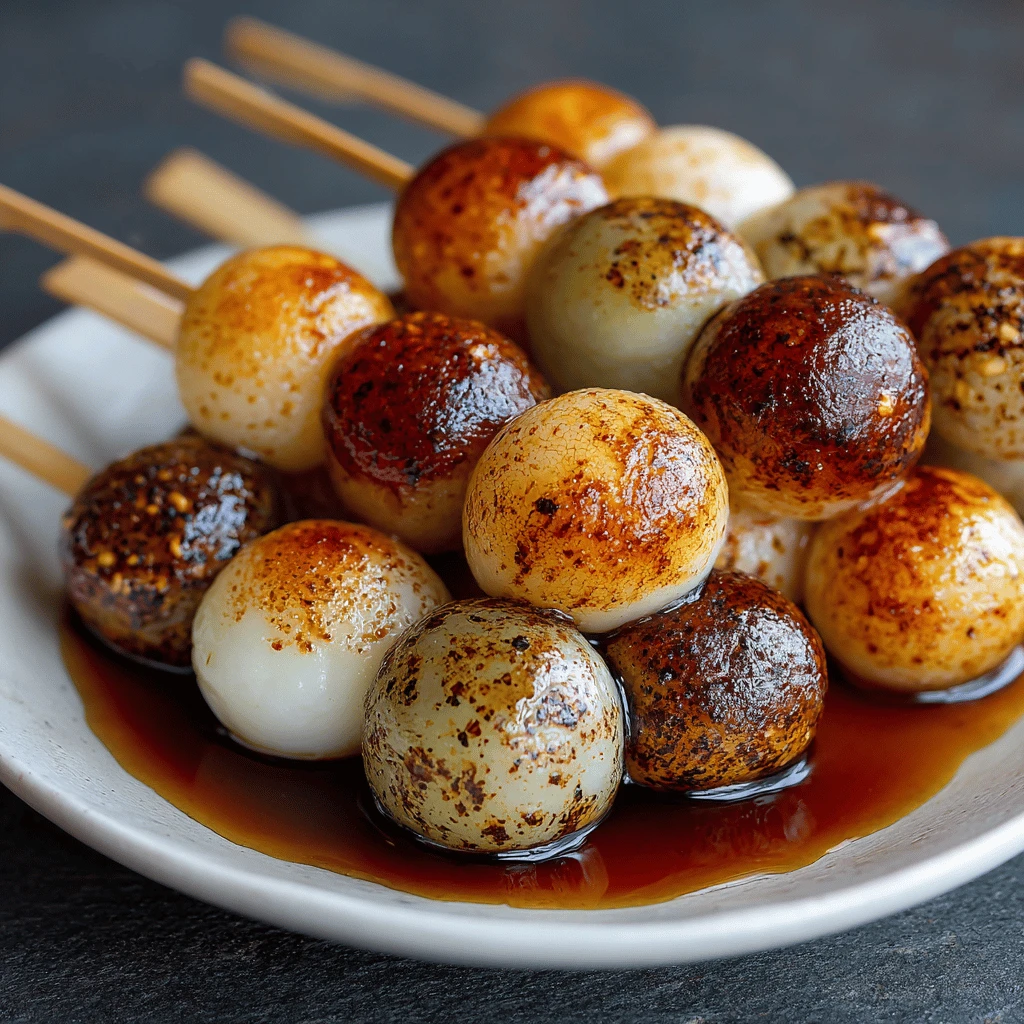
Mitarashi dango is arguably the most popular type of dango. The chewy dumplings are generously coated in a thick, glossy sauce made from soy sauce, sugar, and a touch of katakuriko (potato starch) for thickening.
Ingredients:
- 100g Mochiko (glutinous rice flour)
- 50g Joshinko (non-glutinous rice flour)
- Approximately 120ml warm water
Mitarashi Sauce:
- 4 tbsp soy sauce
- 4 tbsp sugar
- 2 tbsp mirin
- 1 tbsp water
- 1 tbsp katakuriko (potato starch)
Instructions:
1. Combine mochiko and joshinko in a bowl. Gradually add warm water, mixing until a pliable dough forms.
2. Divide the dough into small, equal-sized portions (about 1 inch in diameter). Roll each portion into a smooth ball.
3. Bring a pot of water to a boil. Gently drop the dango into the boiling water. Once they float to the surface, continue boiling for 2-3 minutes.
4. Remove the dango with a slotted spoon and immediately transfer them to a bowl of ice water to stop the cooking process.
5. For the mitarashi sauce, combine all sauce ingredients in a small saucepan. Heat over medium heat, stirring constantly, until the sauce thickens and becomes glossy.
6. Thread 3-5 dango onto bamboo skewers.
7. Grill the skewers lightly until they are slightly browned. You can skip this step if you don’t have a grill, but grilling adds a nice smoky flavor.
8. Generously brush the mitarashi sauce over the dango. Serve immediately.
Anko Dango: Sweet Bean Paste Delight
Anko dango features the sweetness of anko (red bean paste). The smooth, sweet bean paste complements the chewy texture of the dango beautifully.
Ingredients:
- Same dango recipe as Mitarashi Dango
Topping:
- Anko (sweet red bean paste)
Instructions:
1. Prepare dango as per the Mitarashi Dango recipe (steps 1-4).
2. Skewer the dango, usually 3-5 per skewer.
3. Generously top each skewer of dango with anko. Serve at room temperature.
Creative Dango Variations: Exploring Flavor Combinations
Once you’ve mastered the classic recipes, venture into creative dango variations. These recipes add unique flavors and textures to the traditional treat.
Kinako Dango: Roasted Soybean Powder Coating
Kinako is roasted soybean flour, and it imparts a nutty, earthy flavor to the dango. This is a simple yet satisfying variation.
Ingredients:
- Same dango recipe as Mitarashi Dango
Topping:
- Kinako (roasted soybean flour)
- Sugar (optional, for added sweetness)
Instructions:
1. Prepare dango as per the Mitarashi Dango recipe (steps 1-4).
2. Drain the dango well.
3. In a bowl, combine kinako and sugar (if using).
4. Roll the dango in the kinako mixture, ensuring they are fully coated.
5. Serve immediately.
Goma Dango: Sesame Seed Sensation
Goma (sesame seeds) add a rich, nutty flavor and a slightly crunchy texture to the dango.
Ingredients:
- Same dango recipe as Mitarashi Dango
Coating:
- Black sesame seeds (toasted)
- Sugar (optional)
Instructions:
1. Prepare the dango as per the Mitarashi Dango recipe (steps 1-4).
2. Toast black sesame seeds in a dry pan until fragrant.
3. Mix toasted sesame seeds with sugar (if using).
4. Roll the dango in the sesame seed mixture until fully coated.
5. Serve warm or at room temperature.
Hanami Dango: The Colors of Spring
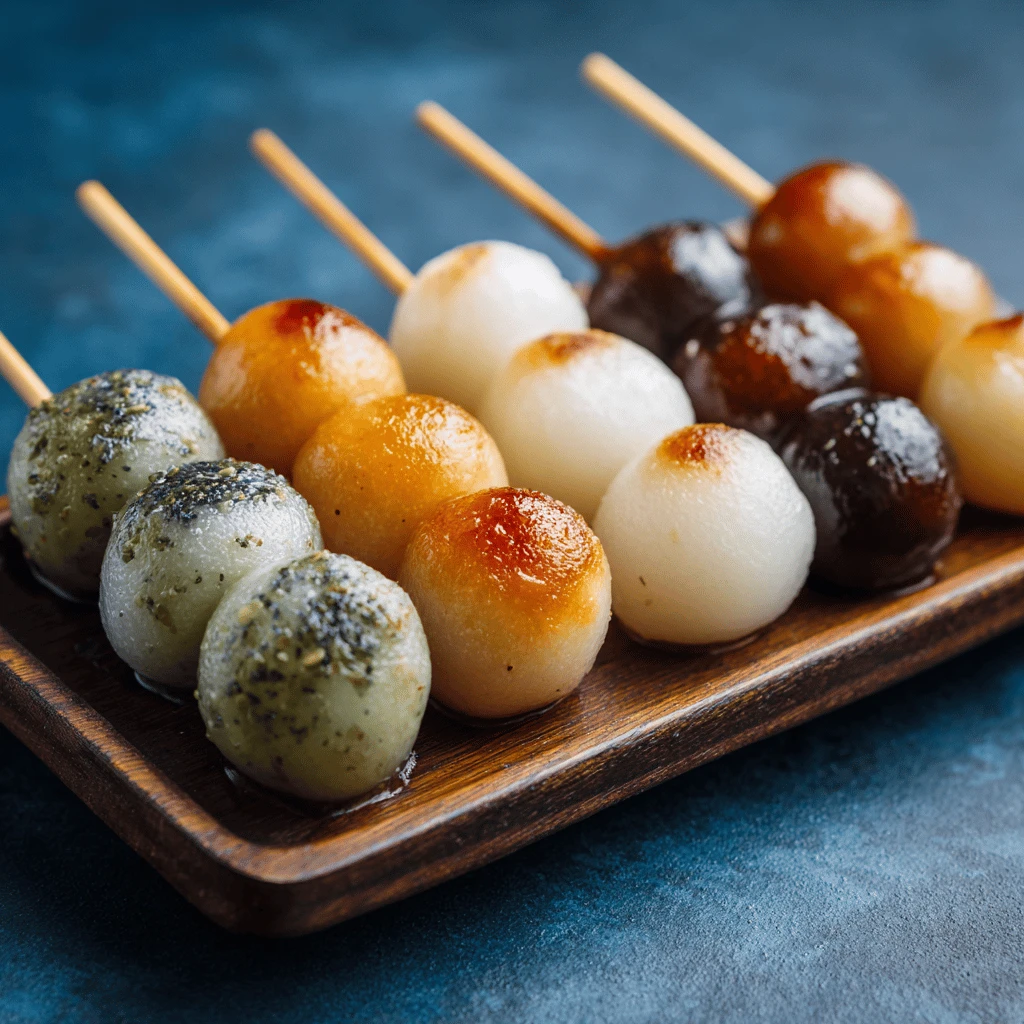
Hanami dango are tricolored dango, usually pink, white, and green, representing the colors of cherry blossoms and spring. They are often eaten during hanami (cherry blossom viewing). The pink is traditionally flavored with red food coloring, green with matcha, and white is left plain.
Ingredients:
- 150g Mochiko (glutinous rice flour)
- 75g Joshinko (non-glutinous rice flour)
- Approximately 180ml warm water
- Red food coloring
- Matcha powder
Instructions:
1. Divide the mochiko and joshinko mixture into three equal portions.
2. In one portion, add a few drops of red food coloring. In another, add matcha powder (about 1 teaspoon, adjust to taste). Leave the third portion plain.
3. Gradually add warm water to each portion, mixing until a pliable dough forms for each color.
4. Roll each color of dough into small balls.
5. Bring a pot of water to a boil. Boil all three colors of dango until they float to the surface, then cook for another 2-3 minutes.
6. Remove the dango with a slotted spoon and transfer them to a bowl of ice water.
7. Thread the dango onto skewers, alternating the colors.
Tips and Tricks for Perfect Dango
Achieving perfect dango requires attention to detail. Here are some tips and tricks to help you succeed:
- Flour Ratio: Experiment with different ratios of mochiko and joshinko to find your preferred texture.
- Water Temperature: Use warm water when making the dough, as it helps to activate the glutinous properties of the rice flour.
- Kneading: Knead the dough well until it is smooth and pliable. This will prevent the dango from cracking during boiling.
- Boiling: Don’t overcrowd the pot when boiling the dango. Boil in batches if necessary.
- Ice Bath: Immediately transfer the boiled dango to an ice bath to stop the cooking process and maintain their chewy texture.
- Grilling: Grilling the dango adds a delicious smoky flavor, but it’s not essential. If grilling, do it quickly to avoid drying them out.
- Sauce Consistency: Adjust the amount of katakuriko in the mitarashi sauce to achieve your desired thickness.
- Freshness: Dango are best eaten fresh. However, you can store them in an airtight container in the refrigerator for a day or two. Reheat gently before serving.
- Experiment: Don’t be afraid to experiment with different flavors and toppings. The possibilities are endless! Try adding sesame oil to the dough, or topping with crushed nuts, chocolate sauce, or even fruit.
Dango Variations for Dietary Needs and Preferences
Dango can also be adapted to accommodate various dietary needs and preferences:
- Vegan Dango: Ensure that the toppings and sauces are vegan-friendly. For example, use a vegan-friendly soy sauce for the mitarashi sauce.
- Gluten-Free Dango: Dango made with rice flour are naturally gluten-free. However, always check the ingredients of any toppings or sauces to ensure they are also gluten-free.
- Lower Sugar Dango: Reduce the amount of sugar in the sauces and toppings. You can also use natural sweeteners like honey or maple syrup in moderation.
- Dango for Kids: Make the dango smaller and use kid-friendly toppings like chocolate sauce or sprinkles.
- Savory Dango: While dango are traditionally sweet, you can also make savory dango. Try adding soy sauce or miso to the dough and topping with seaweed or furikake.
FAQ About Dango:
Q: What is dango made of?
A: Dango is primarily made from rice flour, typically mochiko (glutinous rice flour) or joshinko (non-glutinous rice flour), or a combination of both.
Q: How do you keep dango from getting hard?
A: To prevent dango from hardening, ensure they are cooked properly by boiling them until they float and then immediately transferring them to an ice bath to stop the cooking process. Store leftover dango in an airtight container in the refrigerator and reheat them gently before serving.
Q: Can you freeze dango?
A: Yes, you can freeze cooked dango. Place them in a single layer on a baking sheet and freeze until solid. Then, transfer them to a freezer-safe bag or container. To reheat, boil them briefly until softened or microwave them gently.
Q: What is the difference between mochi and dango?
A: Both mochi and dango are made from rice flour, but they have different textures and preparation methods. Mochi is typically made from steamed glutinous rice that is pounded into a sticky, elastic texture. Dango is made from rice flour mixed with water, formed into balls, and then boiled or steamed. Dango is generally chewier and less sticky than mochi.
Q: How long does dango last?
A: Freshly made dango is best consumed within a day. Stored properly in the refrigerator, it can last for about 2-3 days.