Best Ever Crispy Skillet Chicken Thigh Recipes
Crispy skillet chicken thighs: the weeknight dinner champion. Flavorful, juicy, and incredibly easy to make, they offer a satisfying crunch that rivals even the best restaurant versions. This guide brings together the secrets to achieving perfect crispy skin and succulent meat, drawing from top-rated recipes to create the ultimate skillet chicken thigh experience. We’ll explore techniques, flavor combinations, and troubleshooting tips to guarantee success every time.
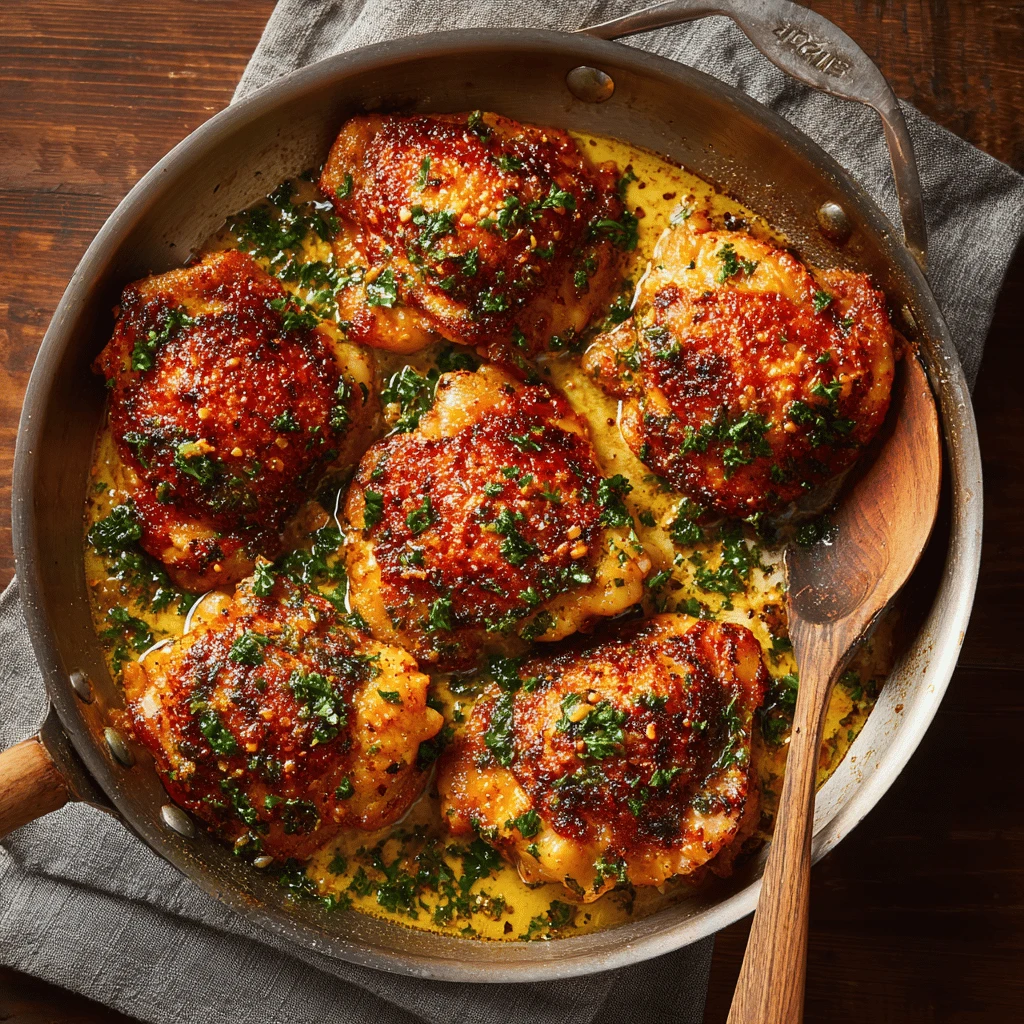
The Key to Unbeatable Crispy Skin
Achieving truly crispy chicken skin in a skillet comes down to a few crucial factors. First, dryness is your friend. Moisture is the enemy of crispiness, so pat the chicken thighs thoroughly dry with paper towels before you even think about adding any seasonings. Don’t skip this step – it’s the foundation for that perfect crackle.
Second, control the temperature. Starting the chicken in a cold skillet with oil allows the fat to render slowly, gradually crisping the skin without burning it. This gentle start is key. Once the skin is nicely browned, you can increase the heat slightly to ensure even cooking. However, watch it carefully to avoid scorching.
Third, resist the urge to move the chicken around too much. Let the skin make contact with the hot skillet uninterrupted. Constant flipping and fidgeting will prevent the skin from developing that deep, golden-brown crust. Patience is a virtue, especially when crispy chicken is the reward.
Finally, consider using a weight. Placing a cast iron skillet or a heavy pot on top of the chicken thighs helps to press the skin firmly against the hot surface, ensuring even crisping and faster cooking.
Essential Prep Work for Maximum Crispiness
Beyond drying the chicken, proper preparation extends to trimming excess fat. While some fat is necessary for flavor, too much can hinder crisping and lead to a greasy result. Trim away any large, loose pieces of fat, but leave a thin layer for rendering.
Another tip is to lightly score the skin with a sharp knife. This allows the rendered fat to escape more easily, promoting even crisping and preventing the skin from puffing up unevenly. Be careful not to cut into the meat itself, just score the skin.
Salt the chicken generously, at least 30 minutes before cooking, or even better, a few hours ahead of time. This dry brining process not only seasons the meat but also draws out moisture from the skin, further enhancing crispiness.
Flavor Combinations That Will Elevate Your Chicken
While crispy skin is essential, flavor is what truly elevates skillet chicken thighs. The possibilities are endless, from classic herb blends to bold, spicy rubs.
A simple yet effective approach is to use a combination of salt, pepper, garlic powder, onion powder, and paprika. This versatile blend complements the natural flavor of the chicken and creates a savory, aromatic crust.
For a more Mediterranean-inspired flavor profile, try a blend of oregano, thyme, rosemary, lemon zest, and a pinch of red pepper flakes. The herbs infuse the chicken with a fragrant aroma, while the lemon zest adds a bright, citrusy note.
If you’re craving something spicier, consider a Cajun-inspired rub with paprika, cayenne pepper, garlic powder, onion powder, and dried oregano. Adjust the amount of cayenne pepper to your desired level of heat.
For an Asian-inspired twist, consider a marinade made with soy sauce, ginger, garlic, sesame oil, and a touch of brown sugar. Marinate the chicken for at least 30 minutes, or up to several hours, for maximum flavor. Be sure to pat the chicken dry before searing.
Building Flavor from Start to Finish
Don’t limit your flavor exploration to just the rub or marinade. Consider adding aromatics to the skillet while the chicken is cooking. Garlic cloves, sprigs of thyme or rosemary, or even a sliced onion can infuse the chicken and the rendered fat with delicious flavor.
Deglazing the pan with a splash of wine, chicken broth, or lemon juice after the chicken is cooked is another way to add depth of flavor. Scrape up any browned bits from the bottom of the skillet to create a flavorful pan sauce.
Finally, don’t forget the finishing touches. A squeeze of fresh lemon juice, a sprinkle of chopped parsley, or a drizzle of olive oil can brighten the flavors and add a touch of freshness to the dish.
Mastering the Skillet Cooking Technique
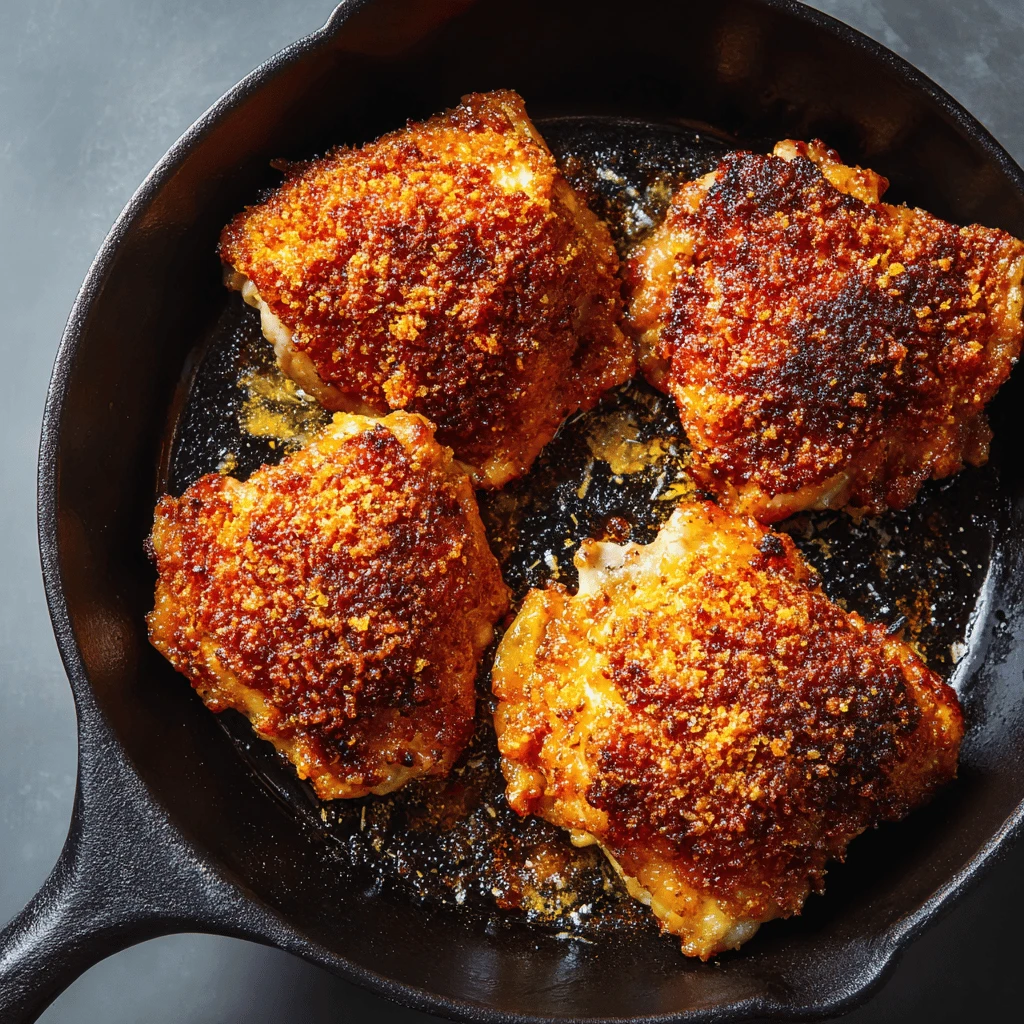
Choosing the right skillet is crucial for achieving perfectly cooked chicken thighs. A cast iron skillet is ideal, as it retains heat exceptionally well and distributes it evenly. However, a heavy-bottomed stainless steel skillet can also work well.
The size of the skillet is also important. You want a skillet that is large enough to comfortably fit the chicken thighs in a single layer without overcrowding. Overcrowding will lower the temperature of the skillet and prevent the chicken from browning properly.
When cooking the chicken, start skin-side down in a cold skillet with oil. About 2 tablespoons of a high-heat oil such as canola or grapeseed oil is a good starting point. As the skillet heats up, the fat from the chicken will render, further crisping the skin.
Once the skin is golden brown and crispy, flip the chicken thighs over and cook until they are cooked through. The internal temperature should reach 165°F (74°C). Use a meat thermometer to ensure accuracy.
Preventing Common Skillet Chicken Mistakes
One common mistake is overcrowding the skillet. As mentioned earlier, this lowers the temperature and prevents proper browning. Cook the chicken in batches if necessary.
Another mistake is using too much oil. While some oil is necessary, too much can make the chicken greasy. Start with a moderate amount and add more as needed.
Finally, avoid piercing the chicken with a fork while it’s cooking. This will release juices and make the chicken dry. Use tongs to flip the chicken.
Skillet Chicken Thigh Variations
Once you’ve mastered the basic technique, the possibilities for variations are endless. Here are a few ideas to get you started:
- Lemon Herb Chicken Thighs: Use a combination of lemon zest, thyme, rosemary, and garlic to create a fragrant and flavorful dish.
- Spicy Cajun Chicken Thighs: Use a Cajun spice blend with paprika, cayenne pepper, garlic powder, and onion powder for a fiery kick.
- Honey Garlic Chicken Thighs: Create a sticky and sweet glaze with honey, garlic, soy sauce, and a touch of ginger.
- Mushroom and Wine Chicken Thighs: Sauté mushrooms with garlic and shallots, then deglaze the pan with red wine for a rich and savory dish.
- Mediterranean Chicken Thighs with Olives and Feta: Add Kalamata olives, feta cheese, and a sprinkle of oregano for a Greek-inspired dish.
Side Dish Pairings for a Complete Meal
Skillet chicken thighs are incredibly versatile and pair well with a variety of side dishes.
For a simple and healthy option, serve them with roasted vegetables such as broccoli, carrots, or Brussels sprouts. Toss the vegetables with olive oil, salt, pepper, and your favorite herbs before roasting.
Mashed potatoes, creamy polenta, or risotto are comforting and satisfying side dishes that complement the richness of the chicken.
A fresh salad with a bright vinaigrette provides a welcome contrast to the savory chicken.
Finally, crusty bread is always a welcome addition, perfect for soaking up the delicious pan sauce.
Frequently Asked Questions (FAQ)
Q: How do I keep my chicken thighs from sticking to the skillet?
A: Make sure your skillet is properly heated before adding the chicken. Start with a cold skillet and oil. Don’t move the chicken around too much while it’s searing, as this can cause it to stick.
Q: What’s the best oil to use for cooking chicken thighs in a skillet?
A: Use a high-heat oil such as canola, grapeseed, or avocado oil.
Q: How do I know when my chicken thighs are cooked through?
A: The internal temperature should reach 165°F (74°C). Use a meat thermometer to check the temperature.
Q: Can I use bone-in, skin-on chicken breasts instead of thighs?
A: Yes, but you may need to adjust the cooking time. Chicken breasts tend to dry out more easily than thighs, so be careful not to overcook them.
Q: Can I make this recipe ahead of time?
A: Yes, you can cook the chicken ahead of time and reheat it. However, the skin may not be as crispy after reheating. To maintain crispiness, reheat the chicken in a hot skillet or oven.