
Authentic Vegetable Mochi Japanese Dishes
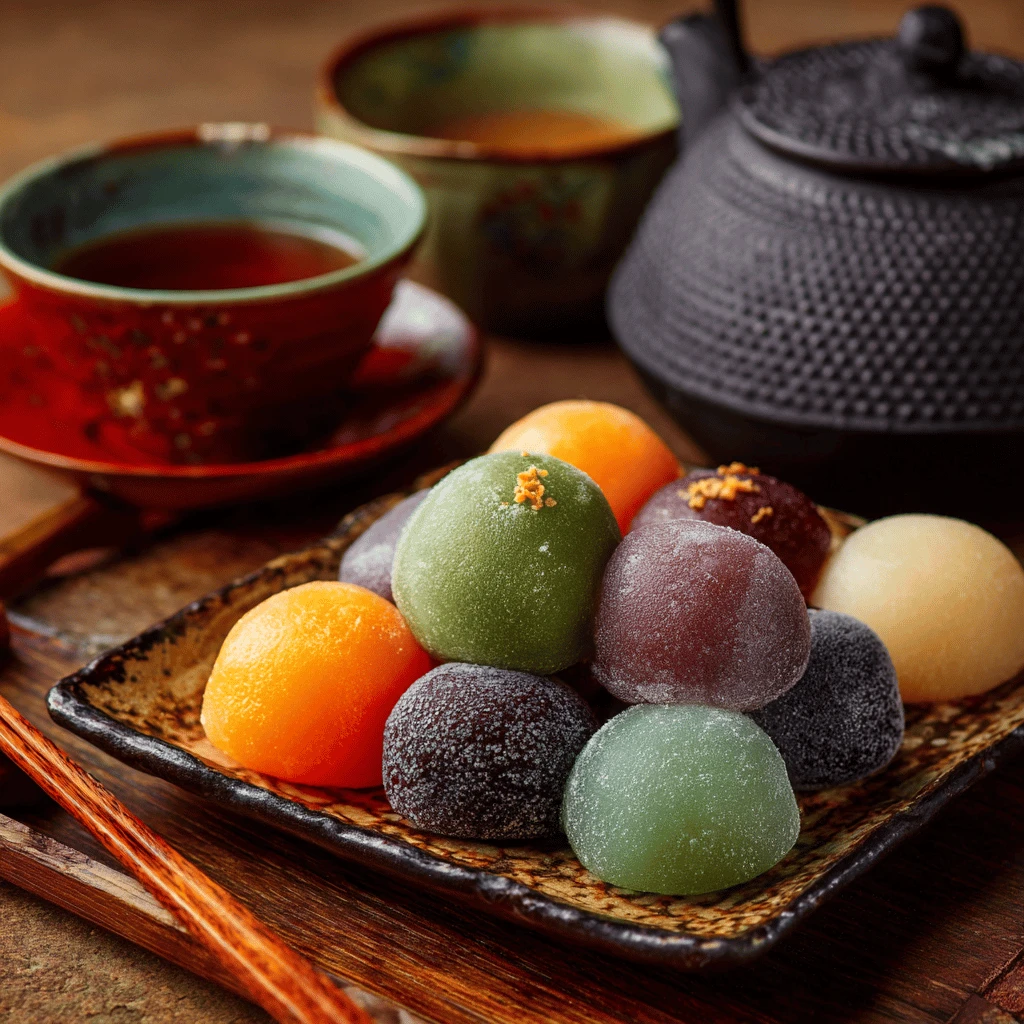
Mochi, that chewy, subtly sweet rice cake, is a cornerstone of Japanese cuisine, enjoyed year-round but particularly associated with celebrations and the New Year. While traditionally associated with sweet preparations, mochi’s neutral flavor profile makes it a surprisingly versatile ingredient in savory dishes, especially when paired with fresh, seasonal vegetables. This article explores the world of authentic Japanese mochi dishes that feature vegetables, showcasing the diverse ways this humble ingredient can be transformed into culinary delights.
The Versatility of Mochi: From Sweet to Savory
Mochi is made from glutinous rice (mochigome) pounded into a sticky, elastic dough. Its unique texture allows it to absorb flavors well, making it a perfect complement to both sweet and savory ingredients. While sweet mochi fillings like anko (red bean paste) are well-known, the savory applications often remain unexplored.
The neutral flavor of mochi makes it an excellent base for showcasing the natural sweetness and textures of vegetables. It can be grilled, baked, simmered in broth, or pan-fried, each method imparting a unique character to the final dish. This adaptability allows mochi to seamlessly integrate into various Japanese culinary traditions.
Exploring Vegetable-Forward Mochi Dishes
The possibilities for combining mochi and vegetables are extensive. Here are a few examples of authentic Japanese dishes where this pairing shines:
- Zoni (Mochi Soup): This is a traditional New Year’s dish that varies widely by region. A common version features grilled or boiled mochi in a clear dashi broth, simmered with vegetables like carrots, daikon radish, and spinach. The simple broth allows the flavors of the vegetables and the mochi’s chewy texture to take center stage.
- Mochi Gratin: A modern twist on a classic, this dish combines the comfort of a gratin with the unique texture of mochi. Cubes of mochi are baked with a creamy sauce (often containing soy milk or a light cheese sauce), along with roasted vegetables like mushrooms, broccoli, and asparagus.
- Agebitashi Mochi: Agebitashi refers to deep-fried and then simmered dishes. In this version, mochi is lightly deep-fried until golden brown and crispy, then simmered in a savory dashi-based sauce with seasonal vegetables. Eggplant, peppers, and okra are excellent choices for this preparation.
- Yakimochi with Vegetable Toppings: Yakimochi simply means grilled mochi. Grilled mochi can be topped with a variety of savory vegetable mixtures, such as kinpira (braised vegetables) of burdock root and carrots, or a mix of sautéed mushrooms and spinach seasoned with soy sauce and mirin.
- Mochi Pizza: A fun and creative way to enjoy mochi, this dish uses a flattened piece of mochi as the pizza crust. It’s topped with tomato sauce, cheese (optional), and an array of your favorite vegetables, such as bell peppers, onions, and mushrooms.
Mastering the Art of Cooking with Mochi and Vegetables
Cooking with mochi and vegetables is straightforward, but there are a few key tips to keep in mind:
- Choosing the Right Mochi: Freshly made mochi is ideal, but packaged mochi works well too. Look for plain mochi without any added flavorings for savory dishes.
- Preventing Sticking: Mochi can be notoriously sticky. To prevent it from sticking to your hands or cooking surface, lightly wet them or use a non-stick pan.
- Preparing Vegetables: Chop vegetables into bite-sized pieces for even cooking and easy consumption. Consider the cooking times of different vegetables to ensure they are all cooked to perfection.
- Balancing Flavors: Japanese cuisine emphasizes balance. Pay attention to the interplay of sweet, salty, and umami flavors in your dishes. Dashi, soy sauce, mirin, and sake are essential ingredients for creating authentic Japanese flavors.
Regional Variations and Seasonal Ingredients
The specific vegetables used in mochi dishes often vary depending on the region and the season. Coastal areas might incorporate seaweed like nori or wakame, while mountainous regions may feature foraged mushrooms and wild greens.
- Spring: Asparagus, fava beans, and new potatoes are excellent choices for spring mochi dishes.
- Summer: Eggplant, zucchini, tomatoes, and bell peppers are abundant in the summer and can be used in grilled or simmered preparations.
- Autumn: Root vegetables like carrots, sweet potatoes, and burdock root are perfect for hearty autumn dishes. Mushrooms are also in peak season during this time.
- Winter: Daikon radish, spinach, and winter squash are ideal for comforting winter mochi soups and stews.
Embracing seasonal ingredients not only enhances the flavor of your dishes but also connects you to the rhythms of nature.
FAQ: Authentic Vegetable Mochi Japanese Dishes
What kind of mochi is best for savory dishes?
Plain, unflavored mochi is generally the best choice for savory dishes, as it allows the flavors of the vegetables and seasonings to shine through. Kirimochi (dried, rectangular mochi) is a popular and convenient option.
How do I prevent mochi from sticking?
Wet your hands or cooking surface with water before handling mochi. Using a non-stick pan also helps. You can also lightly dust the mochi with potato starch or cornstarch.
Can I use frozen mochi?
Yes, you can use frozen mochi. Thaw it completely before cooking. Microwaving it for a short time can also help soften it up.
What is dashi, and can I make it at home?
Dashi is a Japanese soup stock made from kombu (kelp) and katsuobushi (dried bonito flakes). It is a fundamental ingredient in Japanese cuisine and provides a savory umami flavor. You can easily make dashi at home by simmering kombu and katsuobushi in water.
Are there any vegetarian/vegan mochi dishes?
Yes, many mochi dishes can be easily adapted to be vegetarian or vegan. Use vegetable broth instead of dashi, and opt for plant-based toppings and sauces.
How do I grill mochi without it sticking to the grill?
Make sure your grill is clean and lightly oiled. Grill the mochi over medium heat and flip it frequently to prevent sticking and burning.
What are some other vegetables that pair well with mochi?
Other vegetables that pair well with mochi include lotus root, kabocha squash, and shiso leaves.
Where can I buy mochi?
Mochi can be found in most Asian grocery stores and some mainstream supermarkets, especially in the international food aisle.
What are the nutritional benefits of mochi?
Mochi is a good source of carbohydrates and provides some minerals. However, it is relatively high in calories and low in fiber, so it’s best consumed in moderation.
How long does mochi last?
Fresh mochi is best consumed within a day or two. Packaged mochi can last for several months if stored properly.