Authentic Okonomiyaki with Vegetables: A Savory Japanese Pancake Delight
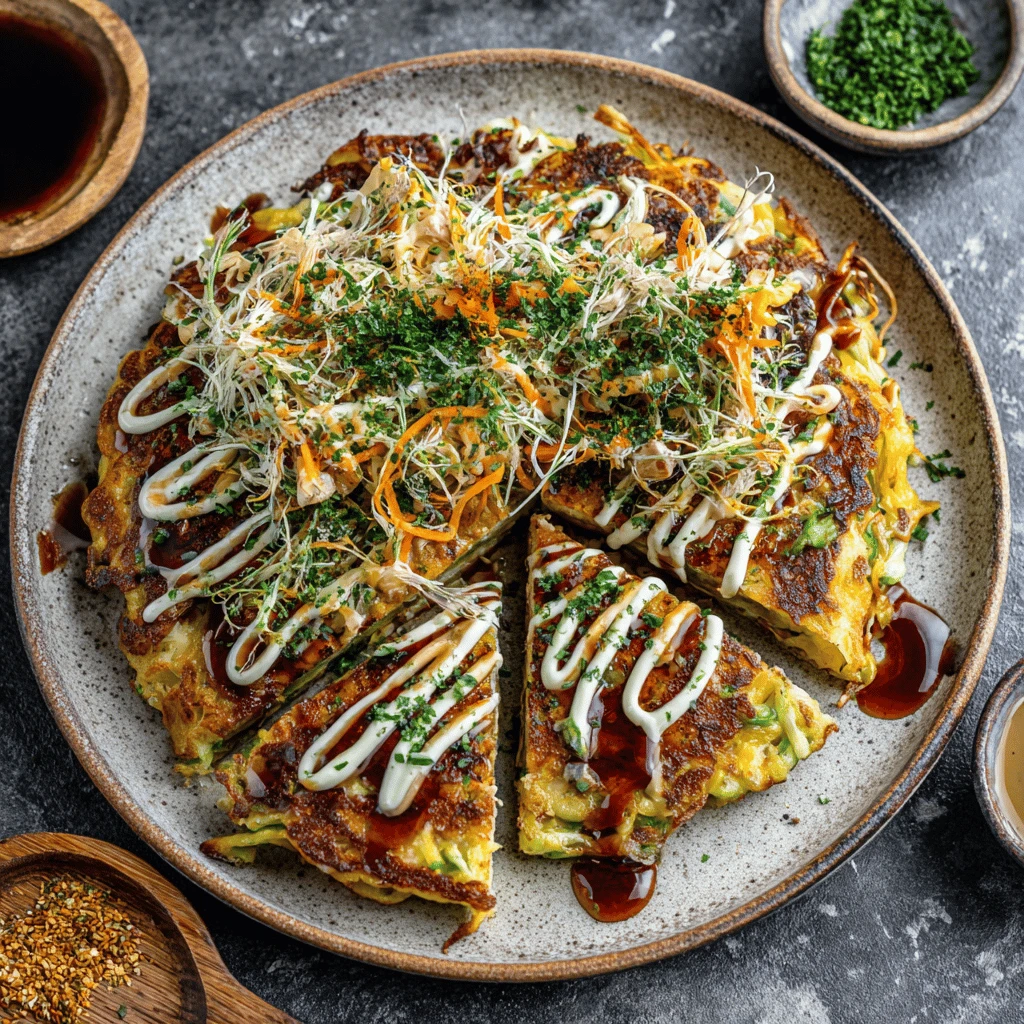
Okonomiyaki, often described as a savory Japanese pancake or pizza, is a dish that’s infinitely adaptable and satisfying. While variations abound, the core of okonomiyaki lies in its flavorful batter, generous fillings, and the umami-rich sauce that crowns it. This article will guide you through creating an authentic vegetable-packed okonomiyaki, exploring different regional styles, essential ingredients, and tips for achieving pancake perfection.
Understanding Okonomiyaki: History and Regional Variations
Okonomiyaki’s history dates back to the Edo period, with its origins in simple wheat flour crepes. Over time, it evolved, incorporating various ingredients and regional influences. Today, two main styles dominate: Osaka-style and Hiroshima-style.
Osaka-Style Okonomiyaki (Kansai-style): In Osaka-style okonomiyaki, all the ingredients are mixed into the batter before being grilled. This creates a cohesive and flavorful pancake. Cabbage is a non-negotiable ingredient, adding sweetness and texture. Other common additions include green onions, pork belly, shrimp, and squid. The batter itself typically consists of flour, dashi (Japanese soup stock), eggs, and grated nagaimo (mountain yam), which contributes to a light and fluffy texture.
Hiroshima-Style Okonomiyaki: Hiroshima-style okonomiyaki is characterized by its layered construction. A thin crepe is cooked first, followed by a generous layer of cabbage, bean sprouts, and pork belly. Noodles (yakisoba or udon) are then added, and the entire stack is flipped. A fried egg is often placed on top before the dish is finished with okonomiyaki sauce, Japanese mayo, aonori (dried seaweed flakes), and katsuobushi (dried bonito flakes). The layered approach results in a textural contrast and distinct flavors in each bite.
While these are the two most well-known styles, regional variations exist throughout Japan. Some regions incorporate mochi (rice cakes), while others use different types of seafood or vegetables. The beauty of okonomiyaki lies in its adaptability, allowing you to customize it to your liking.
Essential Ingredients for Vegetable Okonomiyaki
Creating a delicious vegetable okonomiyaki starts with sourcing high-quality ingredients. Here’s a breakdown of the key components:
The Batter:
- Flour: All-purpose flour is the most common choice, but some recipes incorporate cake flour for a lighter texture.
- Dashi: Dashi provides a savory umami base for the batter. You can use instant dashi powder or make your own from kombu (kelp) and bonito flakes.
- Eggs: Eggs bind the ingredients together and add richness to the batter.
- Nagaimo (Mountain Yam): Grated nagaimo is a traditional ingredient that contributes to a light and fluffy texture. If you can’t find nagaimo, you can substitute it with grated potato or skip it altogether, although the texture will be slightly different.
- Water: Adjust the amount of water to achieve the desired batter consistency.
Vegetables:
- Cabbage: Finely shredded cabbage is the most important vegetable. It adds sweetness, crunch, and bulk to the okonomiyaki.
- Green Onions: Chopped green onions provide a mild onion flavor and a pop of color.
- Other Vegetables (Optional): Feel free to add other vegetables like carrots, mushrooms, bell peppers, or spinach, depending on your preference.
Toppings:
- Okonomiyaki Sauce: This sweet and savory sauce is the defining flavor of okonomiyaki. It’s readily available in Asian grocery stores and online.
- Japanese Mayonnaise (Kewpie): Kewpie mayonnaise has a richer, tangier flavor than regular mayonnaise. It’s often drizzled on top of okonomiyaki.
- Aonori (Dried Seaweed Flakes): Aonori adds a subtle seaweed flavor and a vibrant green color.
- Katsuobushi (Dried Bonito Flakes): Katsuobushi adds a smoky umami flavor. The thin flakes dance on top of the hot okonomiyaki, creating a visually appealing effect.
- Pickled Ginger (Beni Shoga): Thinly sliced pickled ginger provides a refreshing and slightly spicy counterpoint to the richness of the okonomiyaki.
Step-by-Step Guide to Making Vegetable Okonomiyaki
This recipe focuses on the Osaka-style okonomiyaki.
Ingredients:
- 1 cup all-purpose flour
- 1 teaspoon dashi powder
- 1 egg
- 1/4 cup grated nagaimo (optional, or substitute with potato)
- 3/4 cup water
- 4 cups finely shredded cabbage
- 1/2 cup chopped green onions
- 1/2 cup other vegetables of your choice, chopped (carrots, mushrooms, bell peppers, spinach, etc.)
- Vegetable oil for cooking
- Okonomiyaki sauce, Japanese mayonnaise, aonori, katsuobushi, and pickled ginger for toppings
Instructions:
1. Prepare the Batter: In a large bowl, whisk together the flour and dashi powder. Add the egg, nagaimo (if using), and water. Mix until just combined. Avoid overmixing.
2. Add the Vegetables: Add the shredded cabbage, green onions, and other vegetables to the batter. Gently fold until the vegetables are evenly distributed.
3. Cook the Okonomiyaki: Heat a lightly oiled griddle or large frying pan over medium heat. Pour half of the batter onto the hot surface, forming a round pancake about 6-8 inches in diameter.
4. Cook the First Side: Cook for 5-7 minutes, or until the bottom is golden brown and the edges are set.
5. Flip and Cook the Second Side: Carefully flip the okonomiyaki using a spatula. Cook for another 5-7 minutes, or until the second side is golden brown and the pancake is cooked through.
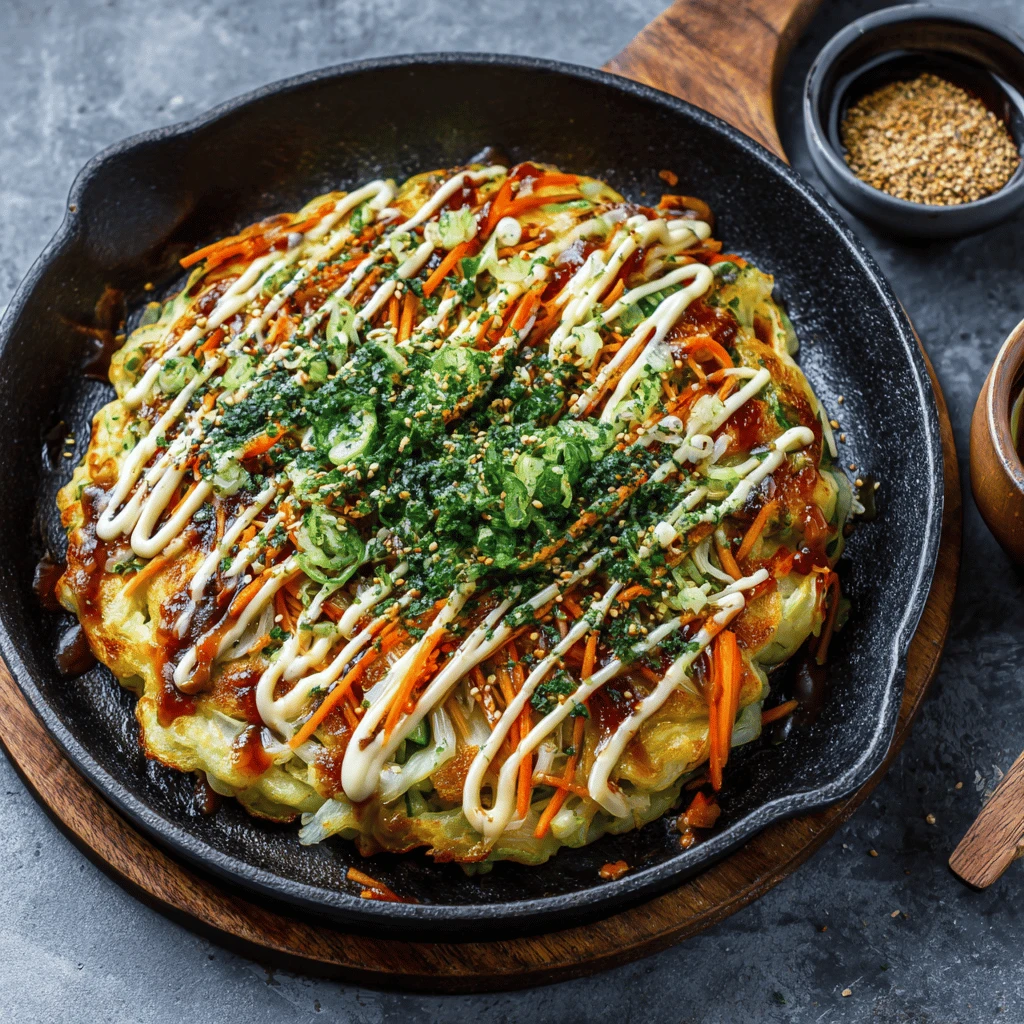
6. Serve: Transfer the okonomiyaki to a plate. Generously brush with okonomiyaki sauce. Drizzle with Japanese mayonnaise. Sprinkle with aonori and katsuobushi. Serve with pickled ginger.
Tips for Okonomiyaki Perfection
- Don’t Overmix the Batter: Overmixing the batter will result in a tough okonomiyaki. Mix until just combined.
- Use a Hot Griddle: A hot griddle is essential for achieving a crispy exterior.
- Don’t Flip Too Early: Resist the urge to flip the okonomiyaki before the bottom is set. Otherwise, it may fall apart.
- Adjust the Batter Consistency: The batter should be thick enough to hold its shape but thin enough to spread easily. Add more water if needed.
- Get Creative with Toppings: Experiment with different toppings to find your favorite combinations. Consider adding cheese, kimchi, or different types of seafood.
Frequently Asked Questions (FAQ)
What is Okonomiyaki Sauce made of?
Okonomiyaki sauce is a thick, sweet, and savory sauce made from a combination of ingredients, including Worcestershire sauce, ketchup, soy sauce, oyster sauce, and various spices. The exact recipe varies depending on the brand.
Can I make Okonomiyaki without Nagaimo?
Yes, you can make okonomiyaki without nagaimo. While nagaimo contributes to a lighter and fluffier texture, you can substitute it with grated potato or simply omit it. The texture will be slightly different, but the okonomiyaki will still be delicious.
What is the difference between Osaka-style and Hiroshima-style okonomiyaki?
Osaka-style okonomiyaki involves mixing all the ingredients into the batter before grilling, while Hiroshima-style okonomiyaki is layered, with the crepe, cabbage, noodles, and other ingredients cooked separately and then stacked.
Is Okonomiyaki healthy?
Okonomiyaki can be a relatively healthy dish, depending on the ingredients you use and the portion size. The cabbage provides fiber and vitamins, and you can add other vegetables to increase the nutritional value. However, it’s important to be mindful of the amount of sauce and mayonnaise you use, as these can add extra calories and fat.
Can I make Okonomiyaki ahead of time?
Okonomiyaki is best enjoyed fresh. However, you can prepare the batter and chop the vegetables ahead of time. Store them separately in the refrigerator and combine them just before cooking. Cooked okonomiyaki can be reheated in a skillet or microwave, but it may not be as crispy.